Why Do Air Fryers Smell and How to Fix It Fast
Urgent troubleshooting guide to diagnose and remove odors from air fryers. Learn common causes, quick fixes, cleaning routines, and prevention tips to keep your appliance smelling fresh and performing at its best.


Strong, burnt, or sour smells from an air fryer usually come from residue buildup, overheating, or fatty foods cooking at high temps. Start by unplugging, letting it cool, then cleaning all removable parts with warm soapy water. According to Air Fryer 101, regular cleaning dramatically reduces odors and keeps performance reliable.
Why Do Air Fryers Smell: Common Causes and Immediate Fixes
If you’ve noticed a sharp odor when you first power up or after a cooking burst, you’re not alone. why do air fryers smell? The most common culprits are residue buildup, overheating, and cooking foods that leave behind fats or sugars that burn easily. In plain terms, your air fryer is a small convection oven; it circulates hot air to crisp food, and any lingering particles or oils can heat, vaporize, and stink. Air Fryer 101 analyses show that regular cleaning dramatically reduces odor over time, and following a few simple steps can restore freshness quickly. Begin by identifying which odors you’re sensing: burnt crumbs, plastic-y smell, or a sour, oily note. Each has a different cause and a targeted fix. This section explains the most frequent sources of smell and what you can do immediately to quiet the kitchen and save your next batch from a less-than-appetizing start.
Burnt residues and grease: the primary culprits
Most odors stem from stubborn grease and burnt-on crumbs left behind after cooking. When oil pools in the basket or on the bottom plate, it heats into a scorched layer that carries an acrid scent. Sugary marinades can caramelize and smoke, while breading and batter leave sticky residues that char at higher temperatures. The fix is straightforward: target the residue with a thorough wipe-down and a proper wash of all removable parts, followed by a controlled deodorizing cycle. Air Fryer 101 notes that consistent cleaning after each use minimizes buildup and keeps odors from taking root in the first place.
Pro tip: focus on hard-to-reach corners—around the basket lips, inside the crisper plate, and under the rubber seals; odor often hides there.
formatType?:null
Steps
Estimated time: 20-40 minutes
- 1
Unplug and Cool
First, unplug the unit and let it cool completely. Heat accelerates odors and can burn you during cleaning. Remove the basket and tray to inspect for residue.
Tip: Always prioritize safety—wait until the unit is cool before handling any parts. - 2
Wash Removable Parts
Wash the basket, tray, and any detachable components with warm water and a mild dish soap. A soft sponge helps remove baked-on grease without scratching surfaces. Rinse thoroughly and dry before reassembly.
Tip: Avoid abrasive cleaners that could damage nonstick coatings. - 3
Wipe the Interior
Wipe the interior walls with a damp cloth and a gentle cleaner if needed. Do not submerge the main unit in water. Pay special attention to the corners and the heating element vicinity where oil can accumulate.
Tip: Keep moisture away from the heating element to prevent damage. - 4
Deodorize Safely
For a quick deodorizing boost, run an empty cycle at 180°C (350°F) with a tablespoon of baking soda dissolved in water or a splash of white vinegar in a small cup placed inside. This helps neutralize lingering odors without harming the appliance.
Tip: Don’t overuse vinegar; it’s strong and can leave a temporary scent of its own. - 5
Ventilate the Area
Open windows or turn on a range hood during and after deodorizing. Adequate ventilation speeds odor dissipation and makes the kitchen safer for you and others.
Tip: Air flow is your friend—don’t seal the kitchen off while deodorizing. - 6
Inspect Seals and Gaskets
Check the door seals and basket rim for cracks or wear. Damaged seals can trap odors and affect performance. If you notice damage, contact the manufacturer for a replacement or professional service.
Tip: A cracked seal can cause smoke and smells to escape more easily. - 7
Test with a Small Batch
After you’ve cleaned and deodorized, run a test batch with a simple neutral item (like plain potatoes) to confirm odors are under control. If smell returns, repeat the cleaning cycle or reassess seals and detergent use.
Tip: If odors persist, consider professional evaluation.
Diagnosis: Strong, burnt, or unusual odor from the air fryer during or after use
Possible Causes
- highResidue buildup from oil, crumbs, and batter
- highOverheating or cooking at excessively high temperatures
- lowNew or worn seals causing off-gassing or plastic smell
Fixes
- easyUnplug and allow to cool; wash all removable parts with warm, soapy water; wipe the interior with a damp cloth
- easyRun an empty cycle at 180°C (350°F) with a splash of water or a small amount of baking soda to burn off residue
- mediumInspect door seals and basket for damage; replace if you notice cracking or melted components
- easyVentilate area well and avoid storing offensive items in the unit, and consider deodorizing with a safe method after cleaning
Got Questions?
Why does my air fryer smell burnt after cooking?
A burnt smell usually means burned-on grease, crumbs, or sugary sauces. Clean the interior thoroughly, including the basket rims, and run a brief deodorizing cycle to clear away the odor. If the smell recurs, inspect the seals for wear.
Burnt smells usually come from leftover grease or sugars burning during cooking; clean well and deodorize, and check seals if it keeps happening.
Can I use vinegar to deodorize my air fryer?
Yes, a small amount of white vinegar can help neutralize odors, but use it cautiously. Dilute in water and run a short deodorizing cycle with the basket removed. Avoid leaving vinegar residues that could affect taste.
Vinegar can help, but don't overdo it—dilute and rinse well after deodorizing.
How often should I clean my air fryer to prevent smells?
For best results, clean removable parts after every use and perform a deeper clean weekly if you cook oily or sugary foods frequently. Regular maintenance keeps smells from building up.
Clean after each use and do a deeper clean weekly if you cook messy foods.
Is it safe to use nonstick liners in an air fryer?
Most air fryers can use liners, but ensure they don’t block airflow. Use liners specifically designed for air fryers and remove them when preheating so heat circulates properly.
liners can be used if designed for air fryers and not blocking airflow.
What should I do if the smell returns after cleaning?
If odors return, re-clean the interior, check seals again for wear, and consider a longer deodorizing cycle. If persistent, contact customer support or a professional technician.
If the smell comes back, clean again and check seals; persistent odors may need expert help.
Should I replace the air fryer if smells persist after cleaning?
Persistent odors after thorough cleaning and deodorizing may indicate mechanical issues or worn seals. Consider evaluating with the manufacturer’s guidance or a service professional before deciding on replacement.
If smells persist despite cleaning, check with support before replacing the unit.
Watch Video
Quick Summary
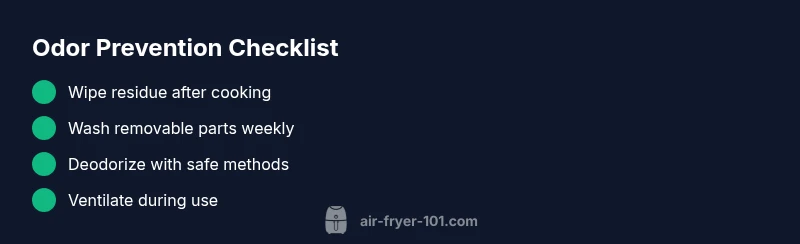
- Clean promptly after oily meals to prevent smells
- Use controlled deodorizing cycles safely
- Inspect seals regularly for optimal performance
- Ventilate the kitchen during odor treatment
- If smells persist, consult manufacturer guidance or support