How to Get Rid of Air Fryer Smell in Your House
A comprehensive, expert guide from Air Fryer 101 on eliminating lingering odors from your air fryer, with practical steps, deodorizing tips, and maintenance habits for a fresher kitchen in 2026.


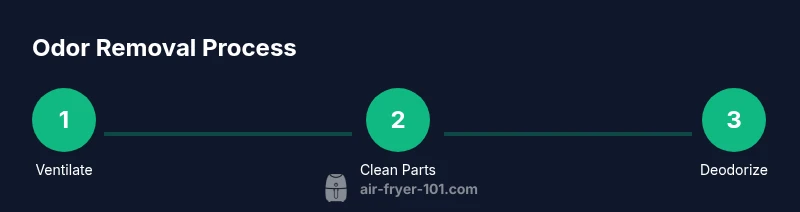
To get rid of air fryer smell in your house, start with ventilation (open windows, run the hood). Empty and rinse the basket, rack, and pan; wipe the interior with hot, soapy water. Deodorize with baking soda or activated charcoal, or run a brief lemon-water steam cycle. Finish with a final air-out and routine cleaning.
Understanding the Odor: Why air fryer smells linger
Lingering odors after air fryer cooking are common due to the compact design and the way oils and small particles can cling to baskets, gaskets, and corners. According to Air Fryer 101, odors often start with trapped oils in the basket and around the door seal, then migrate to nearby surfaces if not cleaned promptly. The goal is to identify the odor source—oily, burnt, or fragrant—and target it with ventilation, thorough cleaning, and safe deodorizing methods. In practice, you’ll gain peace of mind by applying a simple, repeatable routine rather than chasing smells after every meal. By understanding where odors originate, you’ll know which parts to focus on during routine maintenance and after especially fatty cooks. This foundation helps you execute the steps in this guide with confidence and avoid repeating odor problems in future meals.
Quick Prevention Habits to Stop Smell Early
A proactive approach reduces the work later. Start by venting while cooking: open windows, turn on the exhaust hood, and place a small fan if you can. Also, pre-emptively wipe the interior after greasy meals and avoid leaving oily residues in the bottom tray. Consider using parchment liners or perforated silicone mats to minimize direct contact between food and the basket. Immediately wash any splatters on the exterior door and controls, and store leftovers in sealed containers to prevent cross-odors from seeping back into the unit. By combining ventilation with prompt cleaning, you’ll dramatically reduce the chances of odors taking hold in the first place.
Cleaning Methods for All Components
Cleaning the air fryer is not just about the basket. Thoroughly wash the basket, rack, and pan with warm, soapy water, using a non-abrasive sponge to avoid scratching coatings. Wipe the interior walls, the door seal, and the crumb tray with a damp cloth and mild detergent. Rinse all parts well and dry completely before reassembly. For stubborn grease, fill the sink with hot water and a few drops of dish soap, then soak components for a few minutes before scrubbing. Regular attention to these parts prevents the oils from drying and becoming harder to remove, which is a common source of lingering odors.
Deodorizing Agents and When to Use Them
Deodorizers help neutralize odors without masking them. Baking soda is a neutralizer that you can apply as a paste to interior surfaces or use as a dry sprinkle on a damp cloth. Activated charcoal can be placed in the unit’s interior when unplugged to absorb lingering smells, typically for several hours or overnight. White vinegar or diluted vinegar sprays effectively cut through oily scents and freshen the air when used sparingly. For a quick aroma boost, a few lemon peels or citrus peels can introduce a fresh scent, but rinse afterward to prevent a citrus spray from drying on surfaces. Each agent has its place depending on the odor intensity and surface compatibility.
Steam Rinse Techniques and Run Cycles
Steam is a powerful, gentle way to lift off oils and residue. Create a light steam cycle by placing a small dish of water with a few lemon slices inside the unit and running it at a moderate temperature for 3–5 minutes. This creates a fresh aroma and helps loosen stuck oils. After the steam cycle, wipe down interior surfaces again and let everything dry completely before the next use. Avoid using hot steam on surfaces that aren’t heat-safe, and never seal the unit while still damp to prevent electrical risks.
Post-Cooking Habits for Lasting Freshness
Beyond cleaning, the way you store and air out your kitchen matters. After cooking, open the air fryer and let it air out for a few minutes before storing. Store liners and accessories separately to prevent moisture buildup. Consider placing a small dish of baking soda or a sachet of activated charcoal near the appliance to absorb any residual odors entering the air. Regularly empty and refresh the crumb tray and vent area to keep oils from accumulating. By building a small habit loop around ventilation and quick wipe-downs, you maintain a fresher kitchen environment over time.
Troubleshooting Common Odor Scenarios
If you notice a persistent garlic, fish, or burnt-oil smell, isolate the source. Garlic and fish odors tend to cling to the basket and door seals; focus on cleaning those areas first. Burnt or smoky aromas may indicate residual oil in the vents or on the interior walls—repeat the cleaning and consider a longer steam cycle with citrus to reintroduce a fresh scent. For more stubborn odors, perform a second round of cleaning and a short deodorizing cycle. In most cases, consistent weekly maintenance prevents odor buildup and reduces the need for drastic cleansing.
Maintenance Routine That Keeps Odors Down
Create a simple weekly schedule to minimize odor buildup. After each use, rinse and wash the basket and rack, wipe the interior, and empty the crumb tray. Once a month, run a deeper cleaning with baking soda paste on interior surfaces and a steam cycle with lemon slices. Keep spare liners clean and dry, and ensure seals remain intact with gentle checks for cracks or wear. The key is consistency: small, regular efforts reduce the likelihood of strong odors accumulating over time and make odor control part of normal cooking hygiene.
Tools & Materials
- Dish soap(Degreasing power; warm water helps cut grease)
- Hot water(For rinsing and steam cleaning)
- Soft sponge or microfiber cloth(Non-abrasive to avoid scratching coatings)
- Baking soda(Absorbs odors; safe on most surfaces)
- White vinegar(Natural deodorizer; use diluted)
- Lemon or citrus peels(Fresh scent; optional)
- Activated charcoal(Extra odor absorption)
- Spray bottle(For vinegar-water or citrus mist)
- Gasket or seal cleaner (optional)(If you notice residue around door seal)
Steps
Estimated time: 45-60 minutes
- 1
Unplug and prep the area
Safety first: unplug the air fryer and move it away from walls. Remove the basket, pan, and rack, placing them in the sink for washing.
Tip: Keep the unit cool to avoid burns. - 2
Ventilate the space
Open windows and turn on the exhaust hood to start pulling odors away from the cooking area.
Tip: A fan directed toward an open window speeds up aroma removal. - 3
Rinse and wash removable parts
Soapy hot water, a soft sponge, and a thorough rinse remove oils and food particles from the basket, rack, and pan.
Tip: Avoid harsh scouring pads that can scratch coatings. - 4
Wipe interior surfaces
Wipe the interior walls and door with a damp cloth and mild detergent. Rinse and dry completely.
Tip: Pay attention to corners where grease hides. - 5
Deodorize with baking soda
Sprinkle baking soda on a damp cloth or mix into a paste to wipe down the interior; let sit 5–10 minutes before rinsing.
Tip: Baking soda is safe and effective at absorbing odors. - 6
Steam clean with lemon-water (optional)
Fill a small cup with water and a few lemon slices; run a short steam cycle to release fresh aroma.
Tip: Do not overfill; steam should vent safely. - 7
Dry and reassemble
Wipe dry all parts; reassemble once completely dry, ready for next use.
Tip: Ensure gaskets are seated correctly to prevent leaks. - 8
Run a quick test cycle
Cook a small item like a slice of bread or a lemon wedge for 3–5 minutes to verify odor removal.
Tip: Ventilate during and after the test.
Got Questions?
What causes air fryer odors to linger?
Odors linger when oils, breadcrumbs, and sauces are trapped in the basket or seals and aren’t fully cleaned after cooking.
Odors linger when oils and food residues aren’t fully cleaned after cooking.
Is it safe to use vinegar or lemon with the air fryer?
Yes, diluted white vinegar or lemon juice is safe in a short steam or wipe-down. Rinse afterward and ensure the unit is dry before use.
Vinegar and lemon are safe in small amounts for cleaning; rinse and dry well.
How long does it take to remove a strong odor?
Most odors improve after a thorough cleaning and a short deodorizing cycle; severe cases may need a second treatment.
Odors typically improve after cleaning; some cases need a repeat treatment.
Can baking soda damage coatings or seals?
When used gently and rinsed off, baking soda is safe on most surfaces; avoid prolonged contact on certain coatings, and always rinse well.
Baking soda is safe if used sparingly and rinsed off.
Should I run the air fryer empty after cleaning?
Yes, an empty run of 3–5 minutes at a moderate temperature helps ensure odors and cleaning residues are dispersed.
An empty run helps clear out any lingering cleaners and moisture.
Watch Video
Quick Summary
- Ventilate early to curb odor spread
- Clean all odor-prone parts thoroughly
- Deodorize safely with baking soda or vinegar
- Establish a regular cleaning routine to prevent buildup