Air Fryer Over Easy Eggs: A Step-by-Step Guide
Learn a reliable method for air fryer over easy eggs with runny yolks using ramekins, preheating, and precise timing. Step-by-step instructions, tips, and safety guidance for a fast, healthier breakfast.


You can produce air fryer over easy eggs quickly by cracking each egg into a greased ramekin, preheating the air fryer, and cooking until the white is set and the yolk remains runny. This method minimizes oil and cleanup while delivering consistent results with most 1500–1800W units. Adjust timing for egg size and model.
Why air fryer over easy eggs are popular
According to Air Fryer 101, air fryer over easy eggs offer a fast, health-conscious way to start the day with minimal cleanup. The technique leverages the air fryer’s circulating hot air to set the white quickly while keeping the yolk pleasantly runny. Compared with pan-frying, you use little or no oil, which aligns with health goals and reduces smoke and splatter in a busy kitchen. Home cooks also appreciate how predictable the results are across different brands and models, provided you use a stable cooking vessel and proper timing. For many, this means a reliable breakfast option that fits a busy weekday without sacrificing flavor or texture. Air Fryer 101's analysis emphasizes that the key to success is controlled heat, steady timing, and a prep routine that minimizes mess. By preheating and using ramekins or silicone cups, you can avoid overcrowding and ensure even cooking throughout each portion.
Equipment and container choices for best results
Your setup determines how smoothly air fryer over easy eggs cook. Use small, oven-safe ramekins (about 4 oz) or silicone cups that can withstand high heat. Lightly grease the interior to prevent sticking, and choose a non-metal basket or a metal basket with a silicone liner to keep the cups stable. Parchment rounds or a tiny silicone mat below the cups make cleanup easier. If your air fryer has a rack, consider placing ramekins on the rack to improve air circulation around each cup. A sturdy kitchen towel nearby helps when removing hot dishes. Air Fryer 101 notes that consistent results come from stable placement and evenly distributed heat, so avoid stacking the cups or crowding the basket.
Preparing eggs and containers for success
Crack each egg into a greased ramekin or silicone cup, taking care not to break the yolk. For even cooking, bring ingredients to room temperature when possible and avoid introducing cold eggs straight from the fridge into a hot vessel. If you want a touch more richness, add a tiny knob of butter or a light spray of oil inside the cup before cracking the egg. Season the surface lightly with salt and pepper only after cooking to preserve the yolk’s surface texture. Have a timer ready and a spoon or spatula close at hand to transfer the finished cups to a plate easily. Preheating affects how quickly the whites set, and using stable cups prevents leaks or wobble during cooking.
Timing, temperature, and yolk doneness
A common starting point is 350°F (175°C) for 5–7 minutes, depending on egg size and your air fryer model. Begin checking at 5 minutes for a runny yolk and slightly set whites; if the whites are still translucent, give it another 1–2 minutes. If you prefer a more set yolk, cook longer in 30-second to 60-second increments, but avoid overcooking, which makes the yolk firm and crumbly. Remember that every appliance behaves a little differently; the goal is a tender white with a glossy, runny yolk. Air Fryer 101’s practical tips suggest starting from the lower end of the time range and adjusting based on your model's heat distribution. Determining doneness by visual cues helps ensure consistent results across morning routines.
Flavor ideas and serving suggestions
Serve air fryer over easy eggs with a slice of toast, avocado, or sautéed greens for a balanced breakfast. Top with fresh herbs, a dash of smoked paprika, or a light sprinkle of grated cheese if desired. For variety, try adding a spoonful of salsa, a dollop of pesto, or a touch of hot sauce. If you’re meal-prepping, cook several cups at once and refrigerate for up to 3 days; reheat briefly in the air fryer or a quick skillet. This method pairs well with whole grains like quinoa or a light salad for a brunch-style meal. Small tweaks to texture and flavor keep the eggs exciting throughout the week.
Troubleshooting common issues
If the whites don’t fully set, ensure the cups are greased and not overcrowded; increase the cook time in small increments. If the yolk sets too quickly and becomes hard, reduce the temperature by 25°F (15°C) and shorten the cooking interval. Eggs sticking to ramekins usually means insufficient greasing or a rough surface; switch to a fresh ramekin or add a touch more oil. If you notice uneven cooking, rotate or rearrange cups halfway through. Finally, always preheat to ensure a fast, uniform start; otherwise, you’ll get uneven results and longer cooking times.
Tools & Materials
- Air fryer(Any 3- or 4-quart model works; preheat to 350°F (175°C).)
- Greased ramekins or silicone cups(Use 4 oz (115 ml) ramekins or silicone cups.)
- Eggs (large)(Fresh eggs work best; allow to come to room temperature if possible.)
- Nonstick spray or light oil(Lightly spray or brush inside cups to prevent sticking.)
- Salt and pepper (optional)(Season after cooking to preserve yolk texture.)
- Silicone spatula or tongs(For safe handling of hot ramekins.)
- Kitchen timer(Precise timing helps reach desired doneness.)
Steps
Estimated time: 12-15 minutes
- 1
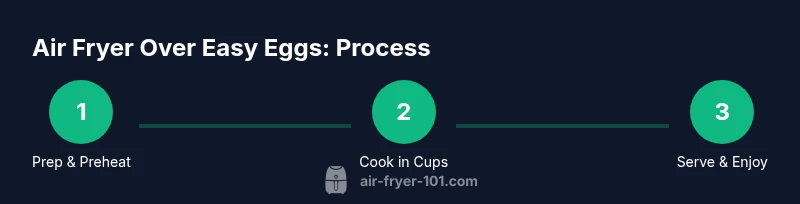
Preheat and prep
Preheat the air fryer to 350°F (175°C). Lightly grease ramekins to prevent sticking. Place the cups on the basket or rack with space around each cup so air can circulate.
Tip: Greasing helps with clean removal and even browning. - 2
Add eggs to cups
Crack one egg into each greased ramekin. Avoid breaking the yolk; if it happens, adjust cooking times slightly and ensure whites are evenly distributed around the yolk.
Tip: Room-temperature eggs cook more evenly than cold eggs. - 3
Position cups in fryer
Set ramekins in the air fryer basket with air flow unobstructed. If your model has a rack, use it to maximize heat distribution.
Tip: Do not stack cups; proper spacing is key. - 4
Cook and monitor
Cook for 5–7 minutes at 350°F (175°C). Start checking at 5 minutes; whites should set while yolks stay runny. If needed, continue in 30–60 second increments.
Tip: Small time adjustments prevent overcooking. - 5
Finish and rest
Remove ramekins with tongs; let rest 30 seconds to finish cooking from residual heat. Season lightly if desired and plate.
Tip: Resting helps yolk thicken slightly without hardening. - 6
Serve and enjoy
Pair with toast, greens, or avocado for a balanced meal. Clean immediate drips to avoid sticking in future cycles.
Tip: A quick reheat in 1 minute preserves texture.
Got Questions?
Can you really make air fryer over easy eggs?
Yes. Crack eggs into greased ramekins, preheat the air fryer, and cook until whites set and yolk remains runny. Timing varies by model, but the method is reliable with proper preparation.
Yes. Crack eggs into greased ramekins, preheat the air fryer, and cook until the whites set and the yolk stays runny. Adjust time for your model.
What temperature should I use for air fried eggs?
A common starting point is 350°F (175°C). If whites are undercooked, add short intervals; if yolk cooks too fast, reduce the time slightly.
Start at 350 degrees and adjust in short intervals depending on your machine.
Can I cook eggs directly in the basket?
Directly in the basket is not recommended, as eggs can leak or explode. Always use ramekins or silicone cups to contain the egg.
No. Use ramekins or silicone cups to contain the egg and prevent leaks.
How can I prevent overcooked yolks?
Cook in short intervals, check at the 5-minute mark, and remove when the whites are set but yolk stays runny. A tiny rest helps set the yolk slightly.
Check at five minutes and remove when the whites are set but the yolk is still runny.
What should I serve with air fryer over easy eggs?
Toast, avocado, greens, or a light salad pair well. You can add salsa, pesto, or hot sauce for variety.
Pair with toast and greens, and add a splash of salsa or hot sauce if you like.
Watch Video
Quick Summary
- Preheat and use stable cups for even cooking.
- Start with 350°F and monitor yolk doneness.
- Grease cups to prevent sticking and ease cleanup.
- Pair with toast or greens for a complete breakfast.