What to Do Air Fryer: A Complete Step-by-Step Guide
Learn what to do air fryer: prep, cook, reheat, and clean with expert tips from Air Fryer 101. A practical, step-by-step guide for healthier, crispier results with minimal oil.


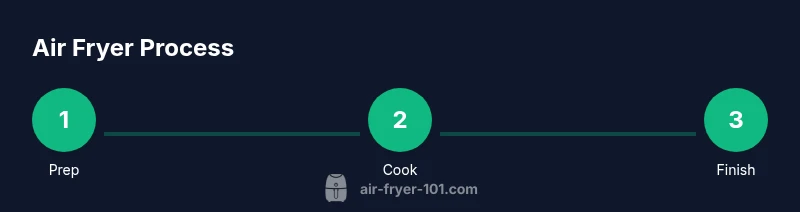
By following this guide, you’ll master what to do air fryer for everyday meals. It covers prep, preheating, loading with even spacing, cooking temps and times, when to shake or flip, checking doneness, and safe cleanup. You’ll also learn practical tips to maximize crispiness and minimize oil. This approach works for fries, chicken, veg, and reheats.
What is an air fryer and how it works
Air fryers cook with hot air circulated by a high-powered fan inside a compact chamber. This rapid air movement creates a crispy exterior similar to deep frying but with much less oil. According to Air Fryer 101, the key is letting the air circulate freely around the food; overcrowding blocks airflow and leads to uneven browning. Most models reach temperatures between 300°F and 400°F, and time ranges vary by food type. Understanding how convection works helps you predict results and avoid soggy textures. In practice, you’ll notice that small, evenly cut pieces crisp up faster, while larger items need space and longer cooking times. This section explains the basics so you can start experimenting with simple recipes.
Quick-start prep: plan before you cook
Before turning on the appliance, map out what you plan to cook and how you’ll prep it for optimal airflow. Wash and pat foods dry; cut into uniform pieces; dry surfaces to reduce steam. Choose ingredients with similar thickness to ensure even cooking. If slow-cooking pieces take longer, plan to stagger additions. For suction-free browning, consider a light coat of oil or oil spray on non-starchy items. The goal is to get consistent sizes and minimal moisture on the surface, which helps crisp up. In this section, you’ll learn practical prep steps used by home cooks and professional kitchens alike.
Temperature, timing, and preheating guidelines
Air fryers thrive on clear temperature and timing guidelines. Start with moderate temps (around 360–400°F, depending on the food) and adjust up or down based on results. Preheating is optional on many models but can improve searing and reduce total cook time for particularly cold ingredients. Always check the manufacturer’s chart for your specific model, but as a rule of thumb, smaller items cook quicker and large chunks require longer times. Use a thermometer for thick proteins to ensure safety. With consistent temps and evenly sized portions, you’ll see repeatable results.
Cooking techniques by food type
- Fries and breaded items: pat dry, toss with a light coating of oil, and cook until golden with a quick shake halfway.
- Chicken and pork: choose a safe internal temperature, pat dry, and ensure surfaces aren’t overcrowded to prevent steaming.
- Vegetables: cut evenly, toss with minimal oil, and roast until crisp-tender.
- Fish and seafood: cook briefly at lower temps to avoid drying out.
- Reheating: start with lower temps and add a few minutes as needed to regain crispiness.
This section covers common categories and how best to approach each so you don’t waste time experimenting.
Stacking, spacing, and airflow for even browning
The single most important factor for consistent results is airflow. Do not overcrowd the basket; leave at least 1/2 inch to 1 inch of space between pieces. If you’re cooking in multiple batches, preheat again if your model requires it. Use perforated liners or parchment to keep food from sticking, but make sure air can still circulate. Turn or shake items at the halfway point to promote uniform browning and to prevent sogginess at the bottom. By thinking about spacing, you’ll avoid underdone centers and overcrisp edges.
Reheating tips to revive leftovers
Air fryers excel at reviving leftovers because the circulating air dries the surface quickly. Preheat if needed, then reheat in small batches at a lower temperature than the original cook. Check frequently and shake or flip to restore crispiness. Avoid microwaving if possible, as it tends to soften textures. A light spray of oil before the final minute can help regain crunch.
Cleaning, safety, and maintenance
Unplug and let the unit cool completely before cleaning. Remove the basket and pan, wash with warm soapy water, and dry thoroughly. Do not use abrasive scrubbers or immerse the main unit in water. Periodically check seals and gaskets and replace if worn. Avoid using aerosols that may leave a film. Wipe down the exterior with a damp cloth after use to keep it looking new and performing well.
Data snapshot and expert tips from Air Fryer 101
Air Fryer 101 analysis shows that home cooks widely report healthier meals and easier cleanup when using air fryers. Practical tips emerge from our research: preheat when helpful, avoid overcrowding, and season foods for better flavor without relying on excess oil. Embrace trial and error, keep notes, and build a small library of go-to times for your favorite items. The goal is consistency, not perfection, and the air fryer makes experimentation accessible for busy households.
Authority sources
- https://www.fda.gov/food-safety
- https://www.usda.gov
- https://www.nap.edu
Verdict
The Air Fryer 101 team recommends choosing a versatile model with adjustable temperature, adequate basket capacity, and easy cleanup features. Use this guide as your reference for everyday meals, from reheats to fresh-cut vegetables. The verdict is simple: with consistent prep, mindful loading, and mindful cleaning, you’ll unlock healthier, crisper results in minutes.
Tools & Materials
- Air fryer(Choose a model with consistent temperature control and a basket that allows good airflow.)
- Silicone-tipped tongs(For turning and removing food without piercing.)
- Cooking oil spray or oil mist(Lightly spray foods for extra crisp.)
- Perforated parchment liners(Keep baskets clean while preserving airflow.)
- Thermometer (instant-read)(Check internal temperatures for safety.)
Steps
Estimated time: Total time: 40-60 minutes
- 1
Unbox and place the air fryer
Set the unit on a stable heat-resistant surface with at least 4 inches of clearance. Remove packaging, wipe the interior, and read the user manual. Plug in the device and ensure the display powers on. This initial setup ensures safe operation and accurate temperatures.
Tip: Allow the unit to sit unplugged for a few minutes after unboxing before first use. - 2
Preheat if your model requires it
Many models benefit from a brief preheat to 3–5 minutes. If your recipe specifies preheating, follow that guidance; otherwise you can skip for quick meals. Preheating primes the cooking chamber for faster start and crisper textures.
Tip: If you’re cooking thick items, preheating helps the exterior seal quickly. - 3
Prepare ingredients and cut evenly
Wash, pat dry, and cut items into uniform sizes to promote even browning. Remove excess moisture, especially on vegetables and proteins, to reduce steam. Season or lightly coat with oil if desired for enhanced crispness.
Tip: Size consistency is key—keep pieces similar in thickness. - 4
Lightly oil and season
A light oil coating helps browning and flavor but isn’t mandatory for every recipe. Use a mist or brush to apply oil to the surface only, avoiding heavy layers that can drip and cause smoking.
Tip: Season with salt, pepper, and any favorite spices for quick flavor boosts. - 5
Arrange with space for airflow
Place food in a single layer, leaving 1/2 to 1 inch of space between pieces. Overcrowding blocks air movement and results in uneven browning.
Tip: If needed, cook in batches to maintain performance. - 6
Set temperature and time
Refer to your recipe or general guidelines: larger pieces need longer times; most proteins benefit from around 360–400°F. Start with conservative times, then check for doneness and add time if needed.
Tip: Always rely on a thermometer for safety with meats. - 7
Shake or flip halfway through
Open the basket and turn or shake contents to promote even browning and prevent soggy bottoms. This is especially important for fries, smaller vegetables, and breaded items.
Tip: A quick shake is usually enough to recoat with seasonings. - 8
Check doneness and finish
Use an instant-read thermometer to confirm internal temperatures for proteins. If not at target, continue cooking in short increments. Let hot foods rest briefly to finish carrying heat.
Tip: Resting helps juices redistribute and improves texture. - 9
Serve and clean
Serve promptly for best crispness. After cooking, unplug and let components cool before washing the basket and pan. Dry thoroughly to prevent rust and maintain performance.
Tip: Clean as soon as you’re done to avoid baked-on residue.
Got Questions?
Do I need to preheat an air fryer every time?
Not every model requires preheating, and some foods cook well without it. Preheating can improve browning for frozen or thick items, but you can rely on your model’s guidance.
Preheating isn’t always required, but it helps with crispier results for some foods.
Is oil necessary when air frying?
You can air fry with little or no oil. A light spray or brushing often helps with browning and sticking, but many items crisp up with air alone.
Oil isn’t strictly necessary, but it can improve browning and flavor.
Can I cook frozen foods in an air fryer without thawing?
Many frozen items go straight from the freezer to the air fryer. Increase time slightly and monitor doneness, shaking halfway.
Yes, you can cook some frozen foods without thawing, just adjust time.
How should I clean the air fryer basket after cooking?
Let the unit cool, then wash the basket and pan with warm, soapy water. Avoid harsh abrasives and soaking the base. Dry thoroughly before reassembling.
Clean the basket after every use to prevent residue buildup.
What are safe internal temperatures for common proteins in an air fryer?
Always verify with a thermometer. Chicken should reach 165°F; pork 145°F; fish 145°F before serving.
Use a thermometer and target safe temperatures per food type.
Watch Video
Quick Summary
- Preheat when helpful for better browning
- Space food evenly to promote uniform browning
- Avoid overcrowding to prevent soggy results
- Use minimal oil for healthier, crispier outcomes
- Clean promptly after use to maintain performance