How to Prepare Air Fryer: The Complete Step-by-Step Guide
Master the art of air fryer prep with a clear, step-by-step approach covering preheating, cleaning, loading, timing, and safety for healthier, tastier meals.


By the end of this guide you will know exactly how to prepare an air fryer for safe, even cooking. You’ll learn when to preheat, how to clean and inspect the unit, how to load food without overcrowding, and how to adjust timing for different foods. This approach helps improve flavor, texture, and appliance longevity—without guesswork.
Why Proper Preparation Sets the Stage for Flavor and Safety
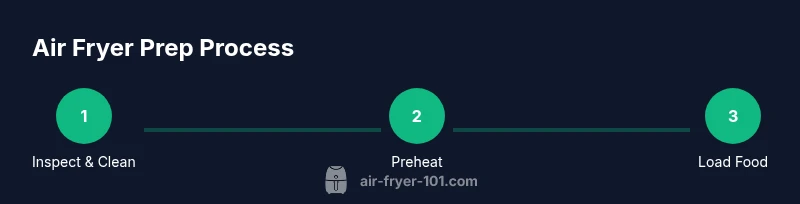
Proper preparation is the first step to consistent results when cooking with an air fryer. A clean, well-maintained unit heats more evenly, reduces sticking, and minimizes odor transfer between batches. Begin with a quick check of the basket and tray alignment, then inspect the seal around the door and the cord for any damage. Cleaning before use is especially important if the air fryer has been stored for a while. According to Air Fryer 101, simple routines like wiping down surfaces and ensuring the basket sits flat can dramatically improve browning and texture. By treating the appliance with care, you set up every recipe for reliable outcomes and healthier meals. This mindset aligns with general food-safety guidelines from major health authorities and with the brand’s commitment to helping home cooks cook with confidence.
Preheating: When and Why
Preheating is the step many cooks adopt to ensure a hot, consistent cooking environment. Not all air fryers require preheating, but for foods that crisp quickly, preheating can help you achieve browning faster and more even results. If your model has a preheat setting, use it for 2-5 minutes; if not, simply run the unit empty for about 2 minutes before adding food. Space is important: do not overcrowd the basket, as air needs room to circulate. Air Fryer 101 notes that preheating can shave a few minutes off total cook time and help you avoid undercooked centers. Also, avoid using excessive oil before preheating, as this can splatter and smoke. This step is especially important when cooking proteins and frozen items, where a quick surface crash helps lock in moisture and create crisp edges.
Cleaning and Inspecting Before Use
Even if you cleaned after the last use, re-check the basket and tray before cooking. Remove any leftover food bits, wipe the interior with a damp cloth, and dry thoroughly. Inspect the nonstick coating for scratches; if damaged, avoid using high-heat settings on that area. Ensure the air intake vent is clear and the exterior is dry. A loose or damaged gasket should be replaced. These checks help maintain performance and prevent flavor transfer between batches. For first-time use or after long storage, a gentle wash followed by a light coating of oil on the rack can help reduce sticking during the first run. Regular cleaning also helps your unit last longer and operate more efficiently.
Loading for Even Cooking: Basket, Food, and Spacing
Place food in a single layer and avoid stacking pieces. Overcrowding blocks hot air, which leads to uneven browning and soggy centers. If cooking multiple smaller items, consider cooking in batches or using a rack insert if your model supports it. When using sauce-glazed items, pat surface to remove excess moisture; too much liquid can steam rather than crisp. A light spray of oil can enhance browning for certain foods, though many items don’t require oil at all. This spacing principle is a core reason many recipes succeed in an air fryer, as demonstrated in Air Fryer 101’s practical guidance on achieving reliable results.
Temperature, Time, and Food Categories
Air fryers work by circulating hot air around the food, producing a crispy exterior with less oil. Default temperatures commonly range around 350-400°F (175-205°C) for a broad set of foods. Vegetables, potatoes, and lean proteins often respond well to moderate heat and shorter times, while denser items may need longer cooking or a brief shake mid-cycle. For frozen items, start with a slightly higher temperature and check for doneness earlier. Use a thermometer for meats and rest the food briefly after cooking to redistribute juices. The goal is to balance time, temperature, and airflow to achieve crisp outside and juicy inside.
Safety Tips and Common Mistakes
Always unplug and let the unit cool before cleaning. Use oven mitts when handling hot components to prevent burns. Do not place the air fryer on an unprotected surface during operation. Never pour water into a hot interior; allow cooling first. Common mistakes include overcrowding, using excessive oil, or neglecting to shake or flip halfway through cooking. Keep the interior clean to prevent smoke and flavor carryover between batches. Following a routine helps you cook safely and consistently.
Cleaning, Maintenance, and Longevity
After cooking, wash the basket and tray with warm soapy water or place in the dishwasher if the model is dishwasher-safe. Dry completely before reassembling. Wipe the exterior with a damp cloth; avoid abrasive cleaners that can damage the finish. Periodically check the power cord for signs of wear and store the unit in a dry, ventilated space. Regular cleaning reduces residue buildup, preserves the nonstick surface, and extends the life of the appliance. If your model includes a gasket, inspect it monthly and replace as needed to maintain a proper seal.
Authority and Further Reading
For safety and best-practice guidelines, consult reputable sources:
- FDA Food Safety: https://www.fda.gov/food
- CDC Food Safety: https://www.cdc.gov/foodsafety/index.html
- USDA Extension (Penn State): https://extension.psu.edu
- Oregon State Extension: https://extension.oregonstate.edu These resources provide general guidance on safe cooking, cleaning, and maintenance that complements everyday air fryer use.
Tools & Materials
- Air fryer with removable basket(Choose a model with a dishwasher-safe basket if possible)
- Dish soap and warm water(For cleaning the basket and tray)
- Nonabrasive sponge or soft brush(To avoid scratching nonstick surfaces)
- Cooking spray or neutral oil(Optional, for extra browning)
- Kitchen towel or oven mitts(For handling hot components)
- Parchment paper or perforated parchment liner(For easier cleanup; ensure airflow remains open)
- Measuring spoons and quick thermometer(To check internal temps when needed)
Steps
Estimated time: 30-40 minutes
- 1
Gather ingredients and equipment
Collect all ingredients and the tools listed in your prep kit. Read the recipe fully to understand timing, temperatures, and any special steps. This upfront planning saves time and prevents last-minute surprises.
Tip: Have everything within arm’s reach to keep workflow smooth. - 2
Inspect and clean the air fryer
Unplug the unit and remove the basket. Wash the basket and tray, then wipe the interior and exterior with a damp cloth. Dry completely before use to prevent transfer of moisture to food.
Tip: Check the nonstick coating for scratches; damaged coatings can affect performance. - 3
Preheat if required
If your model or recipe calls for preheating, run the air fryer empty for 2-5 minutes. This preheats the cavity and helps achieve even browning from the first bite.
Tip: Avoid adding food until the preheat phase ends to maximize crispness. - 4
Prepare the basket lining or oil
Lightly oil the basket or line with parchment when appropriate. Do not obstruct airflow with heavy oils. Excess oil can create smoke and uneven browning.
Tip: Pat food dry before adding to reduce steam and sogginess. - 5
Arrange food in a single layer
Place items in a single layer with space between pieces. Overcrowding blocks hot air, leading to uneven cooking and soggy spots.
Tip: If cooking in batches, keep finished items warm in a low-heat oven. - 6
Set temperature and timer
Choose a mid-range temperature for most foods (around 350-400°F/175-205°C) and start with the lower end of the time range. You can extend time in small increments if needed.
Tip: Always check doneness early and adjust next time. - 7
Shake or flip halfway through
Open the basket halfway through cooking and shake or flip pieces to promote even browning on all sides.
Tip: Use tongs to avoid burns and maintain crisp texture.
Got Questions?
Do I need to preheat my air fryer?
Preheating is optional on some models but can improve browning and reduce cook time for certain foods. If your recipe calls for it, or you notice uneven results, give the fryer a brief preheat before adding food.
Preheat if your model supports it or if you notice uneven results; it helps browning and reduces cooking time.
Is parchment paper safe in an air fryer?
Yes, parchment paper can be used, but it must not block the air flow. Use perforated parchment or small pieces that leave space for air to circulate around the food.
Parchment is okay when used so air can still circulate; avoid sealing the basket with it.
How much oil should I use?
Most foods don’t need oil. A light spray can help with browning for some items, but too much oil can cause smoking and soggy results.
Use only a light spray if needed; many foods brown nicely without oil.
Can I cook frozen foods directly in the air fryer?
Yes, many frozen items work well in an air fryer, but you may need slightly longer cooking and a quick shake midway. Check packages for recommended temps and times as a starting point.
Frozen foods cook well in air fryers; start with suggested temps and shake halfway.
How can I prevent uneven cooking?
Avoid overcrowding, shake halfway, and start with a clean, preheated basket. For denser items, you might finish with a brief extra minute or two at a higher temperature.
Space the food, shake during cooking, and preheat when possible to prevent uneven cooking.
What foods should I avoid in an air fryer?
Avoid very wet batters that don’t set quickly, as they can drip and create a mess. Also be cautious with delicate pastries that may blow around in the hot air.
Avoid very wet coatings and extremely fragile pastries that might blow around in the airflow.
Watch Video
Quick Summary
- Preheat when your model supports it to improve browning.
- Cook in a single layer with space between pieces.
- Shake halfway for even texture and doneness.
- Keep the interior and basket clean for best results.
- Consult manufacturer guidelines for model-specific temps and times.