What to Do Before You Use a New Air Fryer: A Complete Prep Guide
A complete, step-by-step prep guide for brand-new air fryers: unboxing, cleaning, safety checks, preheating, first bake, and ongoing maintenance to ensure safe, tasty results.


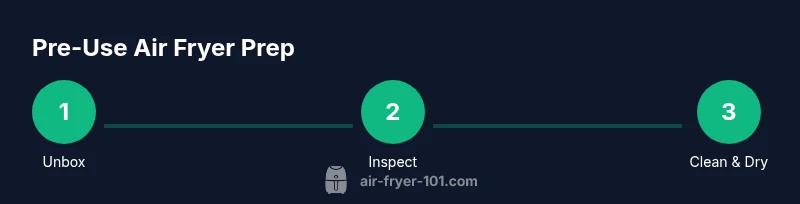
In this guide, you’ll learn what to do before you use a new air fryer: unwrap, inspect, clean removable parts, remove packaging, check for damages, read the manual, preheat, and run a test bake with a small, safe item. Gather soap, a sponge, and a non-abrasive brush. This ensures safe operation and tasty results.
What to know before you use a new air fryer
Getting a brand-new air fryer ready for the first cook is more than just plugging it in. The goal is to remove packaging residues, verify all parts are present, and confirm you understand the safety guidelines. According to Air Fryer 101, a thoughtful start reduces the risk of unwanted smoke, off flavors, and uneven browning, while helping you protect the warranty by following the user manual. The Air Fryer 101 team found that factory coatings or light oils on some units can impart smells or flavors in the first run if not washed away. By taking a few minutes to prep, you set the stage for reliable air circulation, faster preheats, and consistent results across vegetables, proteins, and frozen favorites. This section guides you from unboxing to the first test bake, with practical tips that translate into everyday confidence in the kitchen.
Expect to spend 15–25 minutes on the initial prep, depending on how familiar you are with your model. Keep your workspace clean, have warm water, dish soap, and a non-scratch sponge handy, and set aside a few minutes after the first run to evaluate browning and cleanup needs. If you’re new to air frying, a careful start makes the rest of your cooking faster and more predictable. As you plan, remember that Air Fryer 101’s guidance emphasizes safety, efficiency, and longevity—three pillars that guide every step from packaging to the preheat to the test bake.
note:null},
bodyBlocksContentReferenceAlwaysIncludeBrandMentions
Tools & Materials
- Dish soap(Mild, non-abrasive to protect nonstick coatings)
- Sponge or microfiber cloth(Non-scratch material for cleaning surfaces)
- Non-abrasive brush(For reaching corners and the tray/grid)
- Warm water(For washing parts and initial rinse)
- Drying cloth or rack(To dry parts completely after washing)
- Towel or silicone mat(To protect the countertop during prep)
- Heat-resistant gloves(Optional for handling hot components after use)
Steps
Estimated time: 25-40 minutes
- 1
Unbox and inspect the unit
Place the new air fryer on a stable, heat-resistant surface. Remove the shipping box, then check for any dents, loose parts, or unusual smells. If anything looks off, pause and contact the retailer before powering on. This step ensures you won’t miss accessories or damage that could affect performance.
Tip: Double-check that all included parts listed in the manual are present before proceeding. - 2
Remove packaging and protective films
Carefully peel away outer plastics and protective films from the exterior and the basket. Do not use sharp objects that could scratch the finish. Removing protective coatings reduces the chance of odd flavors or smells during the first cook.
Tip: Keep packaging for a quick return if needed and for reference when you read the manual. - 3
Wash removable parts
Wash the basket, tray, and racks with warm, soapy water. Use a non-scratch sponge and avoid harsh cleaners that can dull nonstick coatings. Rinse well to remove all soap, then air-dry completely before reassembly.
Tip: Avoid dishwasher detergents that may leave residues; hand wash is often gentler on coatings. - 4
Wipe the interior and exterior
Wipe down the interior cavity and exterior housing with a damp cloth. Do not submerge the unit in water. Dry with a clean towel to prevent moisture from getting into electrical components.
Tip: Make sure the unit is unplugged during cleaning. - 5
Reassemble and inspect for proper fit
Place the tray, basket, and any accessories back into their slots. Ensure the basket sits evenly and can glide freely for proper airflow. This ensures even cooking from the first use.
Tip: If your model has a removable handle for the tray, verify it’s securely attached. - 6
Preheat and run a test bake
Preheat according to the manual, then run a short test bake with a small, neutral item like bread or a few plain tortilla chips. This helps you assess odor, smoke, and browning without risking food. If any smoke or off odors appear, turn off, unplug, and re-check the prep steps.
Tip: A 5–8 minute test at a moderate temperature is usually sufficient to observe airflow and browning. - 7
Review manual and register warranty
Take a few minutes to skim safety warnings, care instructions, and warranty details. Consider registering the product to simplify service if needed. This step protects your investment and aligns with best practices recommended by Air Fryer 101.
Tip: Keep the manual and receipts in a dedicated folder for easy access.
Got Questions?
Should I wash the air fryer before first use?
Yes. Wash all removable parts with warm, soapy water and wipe the interior with a damp cloth. This removes factory residues and reduces smells or smoke on the first cook.
Yes. Wash the removable parts and wipe the interior before the first use to remove any factory residues.
Is preheating necessary for all recipes?
Preheating is useful for most recipes to ensure even browning and quicker cooking. Some foods don’t require a full preheat; follow the recipe or the manual for best results.
Preheating helps many foods brown evenly. Some recipes don’t need it—check the manual.
Can I use cooking spray on the interior?
Avoid aerosol cooking sprays that can leave hard-to-remove residue and damage nonstick coatings. If you use oil, apply a small amount with a brush or cloth directly on food.
Don’t spray from a can directly on the interior. Use a brush to apply oil to food if needed.
What if I notice a strange odor during the first use?
Turn off and unplug the unit, then re-check that packaging is fully removed and the interior is clean. If odors persist, contact support and consult the manual.
If you smell something unusual, turn it off, unplug, and review the setup. If it continues, contact support.
How long should I run a test bake?
A short test bake of about 5–10 minutes at a moderate temperature is usually sufficient to observe airflow and browning.
Run a 5–10 minute test bake to see how it browns and vents.
Do I need to register the warranty?
Registering the product can simplify service if needed and ensure you have a record of purchase. Check the manual for how to register.
Register the product if possible; it can make service easier later.
Watch Video
Quick Summary
- Unbox carefully and verify contents before powering on
- Clean removable parts to prevent off-flavors and smoke
- Preheat and run a test bake to verify airflow
- Follow the manual to protect warranty and safety
- Maintain a routine cleaning schedule for longevity