How to Get Rid of Air Fryer Taste: A Practical Guide
A comprehensive, step-by-step guide to eliminate air fryer aftertaste through cleaning, deodorizing, and proper cooking techniques for tastier, healthier results.


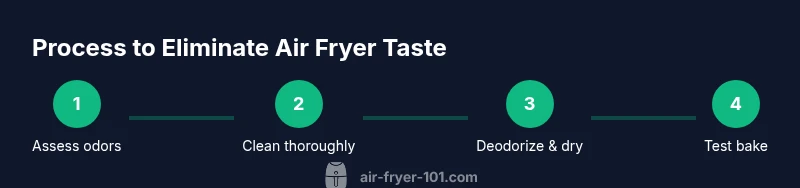
To get rid of air fryer taste, begin with a thorough cleaning of the basket, tray, and interior to remove residue. Neutralize odors using baking soda, vinegar, or lemon; preheat with a neutral oil and run a test batch. Use protective accessories to prevent flavor transfer, then rinse, dry, and re-season for best results.
Why the air fryer taste lingers and how to fix it
If you notice a lingering aftertaste, you’re not imagining the problem. The most common culprits are residual oils, baked-on grease, and strong odors that cling to baskets, racks, and even the interior surfaces. The phrase how to get rid of air fryer taste often comes up when flavor carryover occurs between foods, especially after high-oil or pungent ingredients. Air Fryer 101’s approach emphasizes a clean baseline before dialing in fresh flavors. Start with the idea that a spotless, odor-free cavity sets the stage for tastier meals and healthier cooking. A clean device not only tastes better but also reduces the risk of cross-contamination and uneven cooking. Implementing a thorough clean-and-reset routine dramatically lowers the odds of off-flavors lingering into your next batch.
Quick check: odors, residue, and equipment condition
Before diving into cleaning, assess what you’re dealing with. Do you smell burnt oil or a sour odor? Is there visible residue on the basket, tray, or rack? Are gaskets and seals intact, and does the nonstick coating look worn? These observations guide how aggressively you should clean and whether you need deeper cleaning agents or replacement parts. In many cases, lingering flavors are tied to stubborn residues that are missed during routine wipes. Document the specifics you notice so you can tailor your cleaning plan and track improvement over time.
Thorough cleaning: baskets, trays, and the interior cavity
A multi-step cleaning routine makes a big difference. Start by unplugging the unit and letting it cool. Remove all detachable parts and wash with warm water and mild dish soap. Use a soft brush to dislodge residue from crevices and corners. For stubborn spots, soak baskets and trays in warm soapy water for 10–15 minutes, then scrub gently. Don’t neglect the interior walls; wipe with a damp cloth and mild cleaner, then rinse and dry completely to prevent new odors from forming. Ensuring every component is fully dry is essential to prevent flavor carryover.
Odor neutralizers: baking soda, vinegar, and citrus ideas
Natural odor absorbers can do wonders between uses. Create a baking soda paste for stubborn surfaces or sprinkle baking soda on a damp sponge to scrub. A vinegar-water solution (1:1) can help neutralize persistent smells when used sparingly and rinsed well afterward. For a bright, fresh scent, run a short cycle with lemon wedges, or place lemon peels in a jar inside the unit and run a quick bake. These practices help reset the air fryer’s scent profile without affecting future meals.
Drying and re-seasoning: reset the flavor profile
After cleaning and deodorizing, dry all components thoroughly. A light oil coating on the interior walls can help prevent appliance odors from reappearing, but use only a small amount and a neutral oil. Preheat the air fryer with nothing inside for 3–5 minutes to ensure even heat distribution before cooking your next item. This preheat step primes flavors to develop anew and reduces the chance of carryover flavor from previous dishes.
Accessories and liners: protect flavor integrity
Consider using parchment or silicone liners to reduce direct contact between foods and the basket. Choose liners that are heat-safe and do not obstruct airflow. If odors persist, limit the use of strong-tasting ingredients in the next batch, or switch to a different cooking rack to minimize cross-contact. Accessories designed for air fryers can help maintain clean surfaces and preserve neutral flavors in the cooking chamber.
Cooking practices to minimize off-flavors going forward
Develop a routine that minimizes flavor transfer. Always preheat, use fresh oil or a light spray, and avoid leaving high-odor foods in the fryer for extended times. Clean promptly after each use to prevent residue from setting. When cooking multiple flavors in the same session, consider cleaning between batches or cooking flavors with similar profiles first to reduce cross-flavor contamination. Adopting these habits makes it easier to maintain a clean-tasting air fryer over time.
Safety considerations and when to seek help
If you notice unusual smells like burning plastic or chemical fumes, stop using the unit and consult the manufacturer’s guidelines. Deteriorating seals or damaged coatings can contribute to persistent off-flavors and may require professional servicing or replacement parts. When in doubt, rid yourself of persistent odors by replacing affected components or the entire basket unit, especially if the device is aging or has visible coating wear.
Quick tests and tasting: confirming the taste reset
The best proof is a controlled taste test. After cleaning and reload, prepare a neutral test item, such as plain chicken breast or potato wedges, with a minimal seasoning. If the flavor is clean and neutral, you’ve restored the appliance’s taste profile. If you still detect off-notes, revisit the cleaning steps or consider mild, flavor-neutral warming methods to reset the system before attempting more complex dishes.
Tools & Materials
- Dish soap (mild)(Gentle formula; avoid harsh degreasers on nonstick coatings)
- Warm water(For washing baskets, trays, and racks)
- Soft sponge or microfiber cloth(Non-abrasive to protect coatings)
- Non-abrasive brush or old toothbrush(Scrub crevices and corners)
- White vinegar(Deodorizing rinse option (dilute 1:1 with water))
- Baking soda(Make a paste for stubborn spots or sprinkle for deodorizing)
- Lemon or citrus wedges(Fresh scent for deodorizing)
- Neutral oil (optional)(Light coat for reset after cleaning)
- Silicone liners or parchment paper(Protects from flavor transfer while cooking)
Steps
Estimated time: 60-90 minutes
- 1
Power off and cool
Unplug the air fryer and let it cool completely before handling any parts. This prevents burns and keeps electrical components safe during cleaning.
Tip: Always unplug before removing baskets or trays. - 2
Disassemble removable parts
Take out the basket, tray, and any racks. Separate any lids or seals if the model allows. This ensures all surfaces get cleaned.
Tip: Check the user manual for any part that should not be submerged. - 3
Wash with warm soapy water
Scrub baskets and trays with warm water and mild soap. Use a soft brush for crevices and rinse thoroughly.
Tip: Avoid scouring pads that could scratch nonstick coatings. - 4
Deodorize interior surfaces
Sprinkle baking soda on a damp sponge or wipe with a vinegar solution to neutralize odors on interior walls.
Tip: Do not spray liquid directly into the heating chamber during cleaning. - 5
Rinse and dry completely
Rinse all parts well and dry with a clean towel, then air-dry to prevent moisture from trapping odors.
Tip: Moisture can promote musty odors, so dry thoroughly. - 6
Reassemble and preheat
Reassemble components and run a 3–5 minute empty preheat cycle with a small amount of neutral oil on a paper towel to condition the surface.
Tip: Do not use strong spices during this preheat as a test. - 7
Test with a neutral batch
Cook a bland item (e.g., plain potatoes) to confirm the absence of off-flavors before making a full meal.
Tip: If off-notes appear, repeat the deodorizing steps. - 8
Apply liners and adjust recipes
If you plan to reuse liners, ensure they’re heat-safe and won’t block airflow. Start with mild seasoning to avoid flavor buildup.
Tip: liners should not cover the entire basket surface. - 9
Document results and maintain
Note which methods worked best for your model and set a quick cleaning schedule to prevent recurrence.
Tip: Regular maintenance reduces off-flavors over time.
Got Questions?
Why does my air fryer taste like oil even after cleaning?
Oil taste after cleaning usually means there’s still grease in crevices or the interior hasn’t dried completely. Re-clean with a focused scrub on hard-to-reach areas and dry thoroughly before using again.
If your air fryer still tastes like oil after cleaning, re-clean those hard-to-reach spots and dry thoroughly before using it again.
Can I use bleach or strong cleaners to remove odors?
Avoid bleach or harsh chemicals near nonstick coatings. Use milder cleaners, baking soda, and vinegar to deodorize. Rinse well to remove any cleaner residue.
Avoid bleach; use baking soda and vinegar to deodorize, then rinse well.
Is it safe to use lemon or citrus for deodorizing?
Citrus can help with fresh scents but may leave residues. Use sparingly and rinse thoroughly after deodorizing, especially if your model has sensitive coatings.
Citrus is okay in small amounts, but rinse thoroughly to avoid residues.
How often should I clean my air fryer to prevent taste transfer?
Clean after every use, especially after cooking oily or flavorful foods. A quick wipe-down plus periodic deep cleans keeps flavors neutral.
Clean after each use and do periodic deep cleans to keep flavors neutral.
When should I replace parts due to coating wear?
If the nonstick coating shows scratches, peeling, or the basket doesn’t clean easily, consider replacement parts or a new basket to prevent flavor carryover.
Replace worn parts if you see scratches or peeling coatings.
What’s the best way to test if taste is eliminated?
Run a bland test batch (plain potatoes or chicken) after cleaning. If the results are neutral, the taste issue is resolved.
Test with a bland batch to confirm neutral flavor.
Watch Video
Quick Summary
- Start with a thorough clean of all removable parts
- Use baking soda or vinegar to deodorize without harsh chemicals
- Dry completely and preheat to reset flavor
- Protect surfaces with liners to reduce flavor transfer
- Establish regular maintenance to prevent future off-flavors