What to Do If Your Air Fryer Catches Fire: A Safety Guide
Learn proven steps to safely handle an air fryer fire, when to smother, evacuate, and how to prevent flare-ups with proper routine and safety practices.


Fire safety for air fryers: shut off power, unplug if safe, keep the basket closed, and use a fire extinguisher for small flames; never use water. If the fire spreads, evacuate and call emergency services. Get the full step-by-step guide after this.
Immediate safety actions
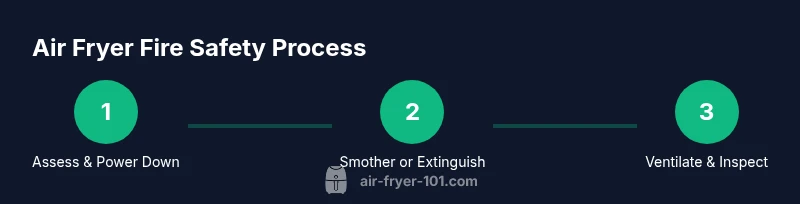
If you’re wondering what to do if air fryer catches fire, act quickly but calmly to protect yourself and others. First, power off the unit and unplug it if you can do so safely. Do not open the basket or reach into the oven while it’s hot, as flame and hot oil can spray. Stand back a safe distance and assess the flames. According to Air Fryer 101, quick, decisive actions reduce the risk of burns and property damage. If the fire is small and contained inside the unit, you may smother it with a metal lid or baking sheet to cut off air. If you have a kitchen-appropriate fire extinguisher and you know how to use it, aim at the base of the flames and squeeze the handle firmly. Do not spray water on an oil-based fire under any circumstances. If the fire grows or you cannot control it quickly, evacuate and call emergency services. Once it’s safe, leave the appliance to cool completely in a well-ventilated area before inspecting for damage.
Assess the situation safely
After the initial safety actions, quickly determine if flames are still active, if there is heavy smoke, and what your environment allows. Do not move the unit if it’s still hot or if flames are visible; the hot surface and intake can cause burns. If safe, slowly back away and keep bystanders at a distance. Ventilate the room by opening a nearby window or turning on a fan, but avoid blowing air directly toward the unit, which could feed flames. If smoke is heavy, rely on trained responders rather than attempting to douse the fire yourself. In most homes, the safest option is to wait for firefighters and focus on personal safety. If you can reach the power cord safely, unplug the outlet only if you can do so without approaching the hot appliance. Remember that air fryers use oil and heating elements, so the risk of flare-ups remains until the unit cools. Air Fryer 101 analysis shows common triggers include oil buildup inside the basket, crumbs, and overfilled loads; avoiding these in future cooking sessions reduces recurrence.
When to use a fire extinguisher
If a small, manageable flame persists, you may use a kitchen-rated fire extinguisher. Stand at a safe distance, pull the pin, aim at the base of the fire, and sweep side to side while squeezing the lever. Do this only if you can do so without putting yourself in danger or moving the unit. If you suspect the fire is electrical or spreads beyond the basket, evacuate immediately and call emergency services. After any extinguisher use, monitor the unit for re-ignition and ventilate the area to clear smoke. Never rely on an extinguisher alone; it is a supplementary tool to buying you time for safe evacuation.
What not to do
Never pour water on an air fryer fire; water can create a dangerous steam explosion and spread the flames. Do not open the fryer door wide or move the hot unit while flames are present. Do not try to carry the appliance outside while it’s still burning or hot, as this can cause burns and drop the device. Do not rely on baking soda or flour as a primary extinguishing method; these are not reliable for hot oil fires. Finally, never ignore smoke or a burning smell—treat it as a fire risk and seek professional help if you’re unsure.
Containment and aftercare
Once flames are out, keep the device closed and allow it to cool completely in a well-ventilated area. Inspect the plug, outlet, and power cord for damage before attempting to reuse the appliance. If there is any signs of melted plastic or burnt wiring, do not plug it back in; contact the manufacturer or a professional technician. Clean up oil residue on nearby surfaces using non-abrasive cleaners and dispose of any charred food safely. Document the event for warranty or safety records and review cooking practices to reduce future risk.
Preventing future fires
Adopt preventative habits to minimize fire risk. Regularly clean the basket and interior walls to remove oil buildup and crumbs. Do not overload the basket; leave space for air to circulate. Use appropriate cooking temps and avoid prolonged preheating when not needed. If using oil-based recipes, pat food dry before cooking and consider using a protective spray if recommended by the manufacturer. Store your air fryer away from heat sources and never leave it unattended while in use.
When to call professionals
If flames recur or you notice electrical burning smells after a fire, call a professional technician or the manufacturer for inspection. If the unit shows signs of electrical damage, do not attempt to reuse it until it has been checked. For widespread fire damage to the kitchen or home, contact local emergency services and follow their instructions.
Tools & Materials
- ABC fire extinguisher (kitchen-rated if possible)(Use only if you can do so from a safe distance)
- Oven mitts or heat-resistant gloves(Protect hands when handling hot baskets or doors)
- Lid or metal baking sheet(Smother small flames to cut off air supply)
- Baking soda (optional)(Can assist in smothering small flare-ups but not a substitute for an extinguisher)
- Phone to call emergency services(Dial local emergency number if flames don't subside quickly)
Steps
Estimated time: 30-60 minutes
- 1
Power off and unplug safely
If possible, switch off the air fryer and unplug it from the wall to cut off heat and fuel. Keep yourself at a safe distance and avoid touching the hot exterior. Do not attempt to move the appliance while it’s hot.
Tip: Only unplug if you can do so without forcing or leaning over flames. - 2
Assess before you act
Determine if flames are ongoing and whether smoke is heavy. If flames are growing or you cannot reach the outlet safely, evacuate and call emergency services. If safe, continue with containment steps.
Tip: Do not open the door wide; air can feed flames. - 3
Smother if safe
If the fire is contained inside the unit and you have a lid or baking sheet, carefully place it to cover the opening and deprive the fire of air. Do not attempt to smother if flames are leaping or you’re uncertain.
Tip: Keep your hands protected with oven mitts. - 4
Use a fire extinguisher if trained
If you’ve trained in using an extinguisher, aim at the base of the flames and sweep with a steady motion while squeezing the handle. Stop if the flames die and monitor for re-ignition.
Tip: If you’re unsure how to operate it, do not risk it—evacuate instead. - 5
Call for help if needed
If the fire persists beyond a few seconds or you can’t contain it quickly, evacuate and call emergency services. Do not attempt to re-enter the space until responders declare it safe.
Tip: Keep doors closed behind you to prevent smoke from filling the home. - 6
Cool and ventilate
Allow the unit to cool completely in a ventilated area before inspecting. Ventilate the kitchen to clear smoke and avoid inhalation.
Tip: Do not reuse or power on until a safety check confirms it is safe. - 7
Document and decide on reuse
After cooling, inspect the appliance for damage. If nothing looks burnt internally and you have professional clearance, you may consider reuse; otherwise contact the manufacturer.
Tip: Keep a log of what happened and any safety steps you took.
Got Questions?
Is it safe to use water on an air fryer fire?
No. Water can spread an oil-based fire and cause steam-related burns. Use a lid to smother if possible or a suitable fire extinguisher if you are trained and able.
Do not use water on an air fryer fire; smother it or use a fire extinguisher if you’re trained.
What should I do if there is heavy smoke but no visible flames?
Prioritize safety: evacuate if smoke is dense and call emergency services. If the unit is safe to reach and you can do so without exposure to heat, turn off power and allow the area to ventilate.
If there’s heavy smoke, evacuate and contact emergency services. Don’t try to fight it if you’re unsure.
Can I reuse the air fryer after a fire?
Only after a professional inspection confirms the unit is safe. Do not reuse if you notice melted components, burnt wiring, or persistent odors.
Only reuse after a safety check confirms it’s safe; otherwise seek professional assessment.
What if the fire starts due to oil in the basket?
Oil fires require cutting off fuel and air. Unplug if safe, smother with a lid or baking sheet, and use a properly rated extinguisher if needed.
Oil fires need quick air cut-off; smother or extinguish only if trained.
How do I clean the air fryer after a fire?
Let the unit cool completely, then wipe away residue with a non-abrasive cleaner. Inspect for melted parts and consult the manufacturer guidance before reuse.
Let it cool, clean gently, and check for damage before reuse.
Should I call emergency services if the fire is contained?
If the fire is contained but you’re unsure of its cause or if there’s any smoke or heat, call emergency services for guidance. It’s better to err on safety.
If unsure or there’s smoke, call emergency services for guidance.
Watch Video
Quick Summary
- Act fast but calmly to reduce risk.
- Never use water on an oil-based air fryer fire.
- Smother only if you can do so safely with a lid or baking sheet.
- Call for help if flames persist or you’re unsure.
- Inspect and clean before reuse to prevent recurrence.