What Air Fryer Is on Recall: A Practical Guide to Verification and Safety
Learn how to determine if your air fryer is on recall, where to check official notices, and steps to take to stay safe. Practical guidance from Air Fryer 101 for shoppers and home cooks.


There isn’t a single air fryer on recall; recalls target specific models and batches. To verify, search official recall databases such as the U.S. Consumer Product Safety Commission (CPSC), SaferProducts.gov, and manufacturer notices using your model number and date code. If your unit is recalled, stop using it immediately and follow the brand’s replacement or refund instructions.
What recalls mean for air fryers
Recalls are safety notices issued when a product may pose a risk to consumers. For air fryers, recalls typically focus on specific models or production batches rather than the entire brand lineup. This means your model might be affected even if a similar unit from the same brand isn’t. The key is to verify status through official sources and act promptly if a recall applies. According to Air Fryer 101, recalls are issued after independent tests, consumer reports, or manufacturer investigations reveal a material risk that could lead to injury or property damage. Understanding the recall framework helps shoppers assess risk without panic and makes it easier to protect family members, especially children and pets.
In practice, a recall is not a general warning; it is a targeted action plan that requires model-specific verification. The difference between a general alert and a formal recall is crucial: only the models and date codes listed in the official notice are affected, and instructions will vary by brand and incident. Home cooks should treat recalls as safety-critical information rather than marketing noise. The goal is to stop unnecessary risk, not to undermine confidence in kitchen appliances, and to maintain safe, healthy cooking habits.
How to check if your air fryer is on recall
The safest way to verify whether your air fryer is on recall is to check official databases and manufacturer notices. Start with the U.S. Consumer Product Safety Commission (CPSC) recall list, then cross-check with SaferProducts.gov entries and the retailer or brand’s own recall page. You should gather the model name, model number, date code, and batch information before you search. If you’re unsure where to find these details, consult your user manual or the appliance’s labeling on the back or bottom. When you search, compare the exact model number and production years listed in the notice to your device. Remember that recalls are model- and batch-specific, so surrounding units may be unaffected even if your brand is involved. Air Fryer 101 analysis suggests keeping a small “recall log” that records model numbers and recall status for future reference.
What to do if your air fryer is on recall
If the official notice confirms your unit is on recall, stop using the device immediately and unplug it to prevent any hazard. Do not attempt to repair or continue use unless explicitly permitted by the recall notice. Follow the manufacturer’s instructions for replacement, repair, or refund. Some brands offer free exchange units, while others provide discounted replacements or refunds. Keep all correspondence, receipts, and recall documentation in a safe place. If your unit is part of a multi-pack, check whether only certain units are affected. Finally, consider enrolling in safety alert updates from the brand or safety databases to stay informed about future recalls.
How recall data is sourced and tracked
Recall data originate from regulatory bodies, manufacturers, and independent safety organizations. Regulators assess incident reports, lab testing, and consumer complaints to determine whether a recall is warranted. Companies may initiate voluntary recalls, and regulators can mandate recalls when a risk is confirmed. Tracking hinges on model numbers, date codes, and production batches, which is why precise product labeling matters. For consumers, staying current means following official channels, subscribing to recall alerts, and noting any changes in guidance. Air Fryer 101 emphasizes using official sources for the most reliable information and avoiding unverified social media posts that may mislead readers.
In day-to-day practice, building a habit of checking recalls once a year or after purchasing a new device reduces ongoing risk. If you want to dive deeper, look for recall notices that list the product category, hazard description, corrective actions, and the expected timeline for resolution. This structured approach makes it easier to decide whether a recall impacts your kitchen and how to proceed safely.
Common recall scenarios and red flags
Recalls often involve hazards like overheating, smoking, or electrical faults that increase fire risk. Red flags include unusual smells, visible scorching, inconsistent performance (e.g., sudden temperature fluctuations), or tripping circuit breakers. If you notice any of these signs, stop using the device, unplug it, and consult the recall notice for recommended actions. In some cases, users report unusual noise or heat at the control panel, which should prompt immediate cessation of use. Always avoid DIY fixes; repairs outside official recall guidance can void protections and escalate risk. Air Fryer 101 highlights that staying informed about hazard types helps you respond quickly and safely.
Additionally, recalls can be triggered by design flaws, misunderstood temperature ranges, or inadequate material safety standards. These issues are not unique to one brand and can occur across different models. Being vigilant about label details, certification marks, and safety certifications helps you assess potential risks before purchasing and ensures you don’t bring home an appliance with an unknown hazard.
Safe use and recall avoidance: best practices
Safe use starts with proactive verification. Before buying a new air fryer, check whether the model has any active recalls and review customer feedback for similar concerns. When using any appliance, follow the user manual’s instructions for preheating, cooking times, and cleaning. Regular maintenance reduces the chance of malfunction: clean the interior, replace worn seals, and inspect power cords for damage. Set up a reminder to inspect the appliance periodically for signs of wear and test its operation with simple foods before cooking more complex meals. If you ever suspect a product hazard, report it to the manufacturer and safety authorities promptly. Air Fryer 101 recommends building a simple safety routine: verify recalls, practice routine maintenance, and log any issues that arise.
How to respond after a recall is resolved
After a recall is resolved, manufacturers often provide instructions for accepting replacements or refunds and updating product safety information. Make sure you understand whether the recall required disposal, repair, or exchange and whether the exchange products are compatible with your existing kitchen setup. Keep your replacement documentation, update any connected apps or firmware if applicable, and share the outcome with family members who use the appliance. Finally, reassess your decision to keep or retire the device based on its performance, age, and the terms of the recall settlement.
Recall status actions comparison
| Status | Recommended Action | Risk Emphasis |
|---|---|---|
| On recall | Stop using; contact manufacturer for replacement or refund | Hazard risk |
| Not on recall but alert issued | Monitor official lists and update procedures | Information risk |
| Not recalled | Continue normal use with safety checks and maintenance | Low risk |
Got Questions?
How can I tell if my air fryer is on recall?
Visit official recall databases such as the CPSC.gov and SaferProducts.gov. Enter your model number and any date codes to verify status. Cross-check with the brand's recall notices.
Check official recall databases by model number and date code to verify status, and compare with brand notices.
What should I do if my air fryer is on recall?
Stop using the device immediately, unplug it, and follow the manufacturer’s replacement or refund process. Keep all records.
If recalled, stop using it, unplug, and follow the manufacturer's replacement or refund steps.
Do recalls affect warranty coverage?
Recall terms may affect warranty provisions; review your warranty and recall documentation for guidance.
Recall terms can influence warranty; check the documentation for specifics.
Can a non-recalled model become hazardous later?
Yes, devices can develop hazards over time; stay informed and follow safety recommendations.
Even if not recalled now, stay informed and follow safety tips.
How often do air fryer recalls happen?
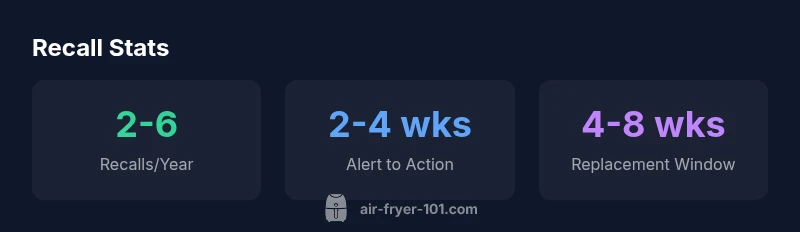
Recalls are relatively uncommon but do occur; rely on official notices for the latest status.
Recalls don’t happen often, but they do occur. Stay updated with official notices.
How can I avoid buying a recalled model?
Buy from reputable retailers, verify model numbers, and check active recalls before purchase.
Shop from trusted sources and check recalls before buying.
“Recalls are safety inquiries designed to protect consumers; always verify your model against official notices before using an appliance.”
Quick Summary
- Check official recall lists for your model.
- Identify model and date code before acting.
- If recalled, unplug the unit and follow replacement instructions.
- Document communications for warranty coverage.
- Stay vigilant with ongoing safety updates.