Air Fryer Pork Tenderloin: A Complete Guide
Learn to make a juicy air fryer pork tenderloin with a golden crust in under 45 minutes. This step-by-step guide covers trimming, seasoning, cooking temperatures, and safe handling for a healthier weeknight meal.


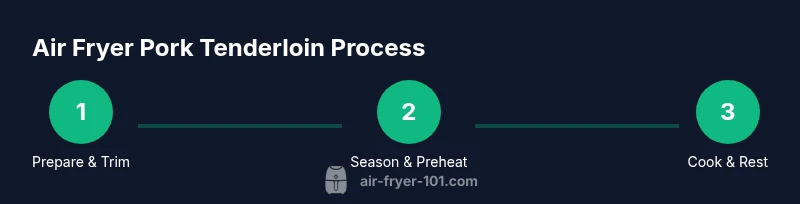
You can reliably cook a juicy pork tenderloin in an air fryer by trimming excess fat, seasoning generously, and finishing with a brief sear. Aim for about 20–25 minutes total at 400°F, with a rest before slicing. Use a meat thermometer to ensure the internal temperature reaches 145°F for safe, tender results.
Why air fryer pork tenderloin is a smart choice
Choosing the right cooking method matters for both health and flavor. The air fryer concentrates heat with rapid air circulation, delivering a crisp exterior while keeping the inside juicy. For pork tenderloin, this method minimizes added fat and reduces cooking time compared with oven roasting. According to Air Fryer 101, air frying preserves moisture better than pan-searing in many weeknight meals, making it a reliable option for busy cooks. When you start with a lean tenderloin, trim visible fat and pat dry to promote even browning. A properly dried surface helps the seasoning adhere and ensures a crisp crust. In this guide, you’ll learn a practical approach that balances speed, texture, and safety, with tips drawn from Air Fryer 101 analysis. Expect a light, caramelized crust and a tender center when you hit the right internal temperature.
Choosing the right pork tenderloin and prep
Pork tenderloin is a compact, lean cut that cooks quickly when sliced into evenly sized portions. Start by selecting a tenderloin that weighs 1 to 1.5 pounds (450–700 g) for most family meals; this size fits standard air fryer baskets and cooks evenly. Before cooking, trim off any visible fat, silverskin, or connective tissue and pat the meat dry with paper towels. Dry surfaces help develop a crust and prevent steaming. If you plan to marinade, keep it light so the surface still dries well during cooking; a 15–30 minute stint is usually sufficient for flavor without overpowering the crust. Finally, bring the meat to near room temperature for 10–15 minutes to ensure even cooking.
Seasoning and crust ideas
A good crust starts with a balanced rub. A classic combination is kosher salt, smoked paprika, garlic powder, black pepper, and a touch of brown sugar for caramelization. For a punchy herb note, add thyme or rosemary. If you prefer a spicier profile, mix cumin, chili powder, and a pinch of cayenne. Rest the seasoned meat for 5–10 minutes so the flavors cling to the surface. The crust will form more readily if you brush or spray the tenderloin with a light coat of oil before cooking. For a gluten-free option, use a dry rub without cornstarch; for a thicker crust, pat the surface with a light layer of cornstarch prior to air frying.
Preheat, oil, and load: setting up the air fryer
Preheating helps the surface seize quickly and form that desirable crust. Set your air fryer to 400°F (200°C) and let it run for 3–5 minutes. While it preheats, lightly oil or spray the tenderloin with a neutral oil; this helps with browning and prevents sticking. Place the tenderloin in the air fryer basket, fat-side up if applicable, ensuring it sits in a single layer with space around it for air to circulate. Do not overcrowd the basket; if you’re cooking more than one piece, cook in batches. If your model requires parchment or a silicone liner, use one to avoid drippings sticking to the heating element, but avoid full coverage that blocks airflow.
Doneness, resting, and slicing
Air fryer pork tenderloin cooks quickly, so start checking for doneness with a meat thermometer at around 18–22 minutes, depending on thickness. The target internal temperature is 145°F (63°C), followed by a 3-minute rest to let juices redistribute. If your thermometer reads higher or lower, adjust the remaining time in 2–3 minute increments and recheck. While resting, tent loosely with foil to keep the crust intact. Slice against the grain to maximize tenderness and serve immediately to enjoy the crust and juiciness at their peak.
Serving ideas and sides
Pair the pork with bright, acidic sides to cut through richness. Roasted Brussels sprouts, honey-glazed carrots, or a quick apple slaw complement the pork nicely. For a starch, try herbed quinoa, brown rice, or a light mashed cauliflower. A tangy sauce like apple cider glaze or a Dijon-mustard reduction works well without overpowering the meat’s flavor. Leftovers store well in an airtight container for 3–4 days; reheat gently in the air fryer for a few minutes to restore crispness.
Common mistakes and fixes
Mistake: Overcrowding leads to uneven browning. Fix: Cook in batches with space for air movement. Mistake: Not preheating. Fix: Preheat for a quick sear and crust formation. Mistake: Leaving meat at fridge temperature too long. Fix: Bring to room temp for even cooking. Mistake: Cutting into the meat too soon. Fix: Rest at least 3 minutes to retain juices. Mistake: Using too much sugar or marinade that creates excessive moisture. Fix: Use dry rubs and pat meat dry before cooking.
Authorities and further reading
For safety and temperature guidelines, consult these sources:
- USDA FSIS Pork Cooking Temperatures: https://www.fsis.usda.gov/food-safety/safe-food-handling-and-preparation/meat/pork-cooking-temperature
- CDC Food Safety: Keeping Food Safe at Home: https://www.cdc.gov/foodsafety/keep-food-safe.html
Note: Always rely on a calibrated meat thermometer to verify doneness, and adjust times for your specific air fryer model and tenderloin size.
Tools & Materials
- Air fryer(Choose 3- to 6-quart capacity; ensure airflow around the meat.)
- Meat thermometer (instant-read or probe)(Target 145°F; calibrate before use.)
- Tongs(Flip gently to avoid piercing the meat.)
- Sharp knife(Trim fat and slice after resting.)
- Cutting board(Stable surface for trimming and slicing.)
- Small mixing bowl(Mix rub and oil as needed.)
- Paper towels(Pat dry meat; cleanup.)
- Oil spray (optional)(Lightly oil surface to aid browning.)
- Parchment paper or silicone liner (optional)(Use if needed to catch drips; ensure airflow remains.)
Steps
Estimated time: 30-45 minutes
- 1
Prepare and trim pork tenderloin
Trim visible fat and silverskin. Pat dry thoroughly to remove moisture that could steam instead of sear. This helps the crust form quickly once cooking begins.
Tip: Pat dry and trim consistently so each part cooks evenly. - 2
Preheat air fryer and set up rub
Preheat to 400°F for 3–5 minutes. While it heats, mix your rub in a small bowl and pat the meat dry again if needed. A dry surface helps browning and flavor sticking to the surface.
Tip: Preheating improves crust development on the first pass. - 3
Apply rub and rest briefly
Evenly apply the rub across the tenderloin. Let it rest 5–10 minutes so the flavors cling and the surface dries slightly for a crisper crust.
Tip: A brief rest ensures better flavor adherence. - 4
Cook first side and flip
Place tenderloin in the basket in a single layer. Cook 10–12 minutes, then flip using tongs to promote even browning on both sides.
Tip: Avoid overcrowding; air needs space to circulate. - 5
Cook second side and check temperature
Continue cooking 8–10 minutes or until the internal temperature reaches 145°F. Flip again if needed to finish browning.
Tip: Use thermometer near the center for accuracy. - 6
Rest and slice
Remove from heat and rest 3–5 minutes under loose foil. Slice against the grain to maximize tenderness and serve.
Tip: Resting redistributes juices for juicier slices. - 7
Optional finish and serve
Add a light glaze or squeeze of lemon if desired. Pair with bright sides to balance richness.
Tip: A quick glaze should complement, not overpower, the pork flavor.
Got Questions?
How long does it take to cook pork tenderloin in an air fryer?
Typically 20–25 minutes at 400°F, depending on thickness. Use a thermometer to confirm 145°F internal.
Around twenty minutes; check with a thermometer to reach 145°F.
Should I marinate or dry rub my pork tenderloin for air frying?
Dry rubs are common and help browning. If marinating, keep it light and pat dry before cooking to ensure crust.
Dry rubs are usually best; if you marinate, pat dry before cooking for a good crust.
Do I need to preheat the air fryer for this recipe?
Preheating helps achieve a quick sear and crust. Some models bake well without it, but preheating gives more consistent results.
Yes, if your fryer supports it, preheat for best crust.
What is the safe internal temperature for pork tenderloin?
USDA recommends 145°F with a brief rest. Use a calibrated thermometer for accuracy.
145 degrees Fahrenheit, with a short rest.
Can I cook a frozen pork tenderloin in the air fryer?
Cooking from frozen takes longer and may result in uneven doneness. Thaw for more consistent results.
Better to thaw first; expect longer cook time.
Watch Video
Quick Summary
- Trim fat for even browning
- Preheat and dry surface to form crust
- Check for 145°F internal temp and rest before slicing
- Slice against the grain for maximum tenderness