Turkey Tenderloin Air Fryer Guide: Juicy Results in Minutes
Master a juicy turkey tenderloin in the air fryer with practical prep, flavor ideas, safety temps, and serving suggestions for quick, healthy weeknight meals.


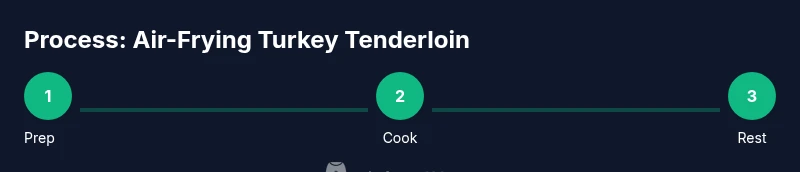
Goal: cook a turkey tenderloin in an air fryer to a juicy, evenly browned result. This quick answer outlines prep, seasoning, preheating, and cooking steps to reach a safe internal temperature with crisp exterior. You'll trim and pat dry, apply a light rub or marinade, preheat the air fryer, cook with a flip, and rest before slicing — all using the turkey tenderloin air fryer method.
Why turkey tenderloin is a great fit for air fryer
According to Air Fryer 101, turkey tenderloin is a natural match for air-frying because it is lean, cooks quickly, and browns evenly with minimal oil. Its small, uniform shape fits into most baskets, making it ideal for weeknight dinners or meal-prep. The hot circulating air caramelizes the exterior while sealing in juices, producing a juicy center and a crisp crust. Because the tenderloin is small and uniform, you can control the cooking more precisely and experiment with different rubs and glazes. Pair with a quick vegetable side for a complete meal. Always plan for a brief rest after cooking to finish carrying residual heat to the proper 165°F internal target.
This cut is versatile for flavor, whether you favor classic salt and pepper, a paprika garlic rub, or a citrus herb glaze. The lean nature of turkey tenderloin means you’ll want to protect moisture without overly heavy coatings. In an air fryer, the tenderloin’s size allows quick, even exposure to hot air, which helps develop browning without overcooking. Precision helps here: aim for uniform thickness to avoid dry edges and underdone centers, and keep a thermometer handy to verify doneness.
Key factors that influence juiciness and browning
Several variables determine how well the turkey tenderloin turns out in the air fryer. First, thickness uniformity matters: a single even shape browns evenly, while a thick end can overcook or dry out faster than a thinner end. Preheating the air fryer helps achieve immediate browning by reducing the time the meat spends in a cooler environment. Patting the surface dry removes surface moisture that would otherwise steam the meat rather than brown it. A light oil spray or brush helps the rub adhere and promotes a crisp crust without pooling, which keeps the center moist. Temperature control matters: aim for an internal temp of 165°F in the thickest part after resting. Finally, rest matters: allow the meat to rest 5–10 minutes before slicing to redistribute juices.
Prep: trimming, pat-drying, and marinade options
Begin with a clean workstation and a thawed turkey tenderloin if frozen. Remove any silver skin or excess fat, then trim to ensure a uniform thickness. Pat dry thoroughly with paper towels to remove surface moisture that could hinder browning. You can rub a light coat of oil and apply a simple dry rub of salt, pepper, paprika, garlic powder, and dried herbs for a crisp exterior. If you prefer more flavor, marinate for 30–60 minutes in a splash of citrus juice and olive oil with herbs, but keep the ratio light to avoid overpowering the tenderloin. If brining, keep it brief and rinse well before drying to prevent overly salty meat.
Flavor ideas and rubs
Classic: kosher salt, freshly ground black pepper, and garlic powder. Bold: smoked paprika, chili powder, and dried thyme. Fresh: lemon zest, minced garlic, and chopped fresh rosemary. For a glaze, whisk honey or maple syrup with a splash of soy sauce and a touch of Dijon mustard for a glossy finish. If you want a savory herb profile, try a mix of rosemary, thyme, garlic, and black pepper with a light olive oil coating to help it cling during cooking. The key is evenly applied coatings so every bite has balanced flavor.
Cooking method overview and best practices
Air fryers vary in power and basket design, so use the following guardrails but adapt to your model. Preheat to 375–400°F (190–205°C) for 2–4 minutes. Place the seasoned tenderloin in a single layer without overlapping. Cook for 8–12 minutes, then flip and cook until the thickest part reaches 165°F. Times vary with thickness and air fryer performance, so use a thermometer rather than a clock. Let the meat rest for 5–10 minutes to finish carrying heat and reabsorb juices.
Serving ideas and storage
Slice across the grain and serve with sides that complement lean poultry, such as roasted vegetables, a quinoa or wild rice salad, or a light green salad. For sauces, a lemon butter, a garlic yogurt dip, or a simple pan sauce from the resting juices works well. Refrigerate leftovers in an airtight container for up to 3 days, and reheat gently in the air fryer for best texture. Freeze portions for longer storage, then reheat until warmed through.
Tools & Materials
- Turkey tenderloin (1–2 lb total)(Aim for uniform thickness of around 1–1.5 inches)
- Paper towels(Pat dry thoroughly before seasoning)
- Olive oil or neutral oil spray(Light coat for browning (about 1 teaspoon))
- Mixing bowl for rub or marinade(Prepare rubs or marinade here)
- Spice rubs or marinade ingredients(Common options: salt, pepper, paprika, garlic powder, dried herbs)
- Air fryer with basket(Ensure capacity fits tenderloin without crowding)
- Instant-read thermometer(Probe type preferred for accurate check)
- Tongs(For turning without piercing the meat)
Steps
Estimated time: Total time: 25-40 minutes
- 1
Gather and prep ingredients
Collect all items and prep your workspace. Remove packaging from the tenderloin and set out rubs or marinades. Having everything ready reduces cooking missteps and helps you stay organized during the cook.
Tip: Organize flavors before you start; a quick misstep can throw off timing. - 2
Trim and pat dry the tenderloin
Trim any silver skin and adjust thickness to a uniform 1–1.5 inches where possible. Pat the surface dry with paper towels to maximize browning and improve adherence of the rub.
Tip: Dry surface = better sear; moisture invites steaming instead of browning. - 3
Apply oil and rub or marinate
Lightly coat the tenderloin with oil and apply a balanced rub or a short marinade. Even coating helps the spices stick and promotes an even crust.
Tip: Avoid heavy coatings; a thin layer is enough to enhance browning. - 4
Preheat the air fryer and prepare the basket
Preheat the air fryer to 375–400°F for 2–4 minutes. Lightly oil the basket to prevent sticking and ensure crisp browning.
Tip: Preheating reduces the time meat spends in contact with cooler air, aiding browning. - 5
Cook and flip for even browning
Place the tenderloin in a single layer. Cook 8–12 minutes, flip, then continue until the thickest part hits 165°F. Use a thermometer to guide timing.
Tip: Check temperature early on and adjust time based on thickness and air fryer power. - 6
Rest and slice
Remove from the air fryer and rest 5–10 minutes before slicing to finish redistributing juices. Slice against the grain for tenderness.
Tip: Resting makes the meat juicier and easier to cut.
Got Questions?
Can I use frozen turkey tenderloin in the air fryer?
Fresh or thawed turkey tenderloin yields the best results. If you start frozen, it will take longer to cook and may not brown evenly; plan for additional time and monitor internal temperature closely.
You can cook from frozen, but it takes longer and you should monitor the temperature to ensure doneness.
What internal temperature should I reach?
Aim for a safe internal temperature of 165°F in the thickest part. Let the meat rest after cooking to bring final temperature up and juices to redistribute.
Cook to 165 degrees and rest before slicing.
Should I brine or marinate turkey tenderloin?
Brining is optional but can improve moisture. A light marinade or dry rub adds flavor without soaking the meat. If you brine, rinse well and pat dry before cooking.
Brining can help moisture; a light rub also works well.
Do I need to preheat the air fryer?
Preheating helps achieve a quicker sear and crisper exterior. If your model heats fast, you can skip preheating but expect a slight variance in browning.
Preheating helps browning; skip only if your model heats quickly.
How should I rest and slice turkey tenderloin?
Rest for 5–10 minutes to redistribute juices, then slice against the grain for tenderness and clean portions.
Rest briefly, then slice to keep juices inside.
Watch Video
Quick Summary
- Season evenly for consistent flavor
- Preheat and avoid crowding for crisp exterior
- Rest before slicing to keep juices
- Use thermometer to hit safe internal temp