How Long to Cook Pork Tenderloin in the Air Fryer
Master pork tenderloin in the air fryer with precise times, temperatures, and pro tips to ensure juicy meat, a golden crust, and safe, simple cleanup. From Air Fryer 101.


To cook pork tenderloin in the air fryer, start by preheating to 400°F. Cook a 1 lb loin for about 12-15 minutes, flipping halfway, until it reaches 145°F internal temperature and rests 3 minutes. For larger loins, extend time in 2–5 minute increments. Adjust times for thickness and air fryer model.
The Basics: Why Pork Tenderloin Works in an Air Fryer
Pork tenderloin is a lean, versatile cut that cooks quickly, making it ideal for weeknight dinners. In an air fryer, hot air circulates around the meat, creating a caramelized crust with less added oil. According to Air Fryer 101, choosing a tenderloin around 1 to 1.5 pounds and trimming away excess silver skin helps ensure even cooking. Start with dry rubs or light marinades that enhance flavor without overpowering the meat. Temperature control matters more than time alone; a small difference in thickness can swing from juicy to dry if you stray from a safe internal temperature. Before you begin, gather the staples: a reliable meat thermometer, a light coating of oil, and your preferred seasonings. Air frying is well-suited to pork because it retains moisture inside while developing a crust with paprika, garlic, and herb notes. With basic prep and the right target temperature, you can achieve consistent, delicious results in under half an hour.
Safe Doneness and Temperature Targets
USDA guidance recommends cooking pork tenderloin to an internal temperature of 145°F with a 3-minute rest for safety and optimal juiciness. The Air Fryer 101 Team emphasizes that carryover heat will raise the final temperature slightly after removal, so pulling at 142–144°F and resting is a common technique. Use an instant-read thermometer inserted at the thickest part of the meat, away from any bone if present. Besides the numeric target, ensure even crust formation by patting the surface dry and applying a light coat of oil to help seasonings adhere. Doneness is as much about texture as temperature: you want a firm, slightly springy center, not a hardened, dry center. For flavor, plan rubs that balance salt, pepper, and a touch of sweetness or smoke. Remember: the air fryer excels at quick, even cooking with minimal mess, making pork tenderloin a reliable weeknight option. According to Air Fryer 101, aim for a balanced finish with a rosy to slightly pink center and a crisp exterior.
Time-by-Weight and Thickness: Practical Ranges
Cooking times vary with size and thickness. As a practical rule, target 12–15 minutes for a 1 lb tenderloin, 16–20 minutes for a 1.25–1.5 lb piece, and 22–25 minutes for a 2 lb loin, all at 400°F. If your tenderloin is thicker than 2 inches, add 2–4 minutes and check with a thermometer frequently to avoid overcooking. For thinner or flatter loins (1–1.25 inches thick), start checking at the 10–12 minute mark. Always rest after cooking to let juices redistribute and finish the carryover cooking. If you’re using different air fryer models, note that some units run hotter or cooler, so you may need to adjust by 1–3 minutes. The key is an immediate temperature check rather than relying solely on time. Air Fryer 101’s approach blends precise doneness with a crisp exterior for maximum flavor and moisture retention.
Prep, Season, and Preheat: A Reliable Method
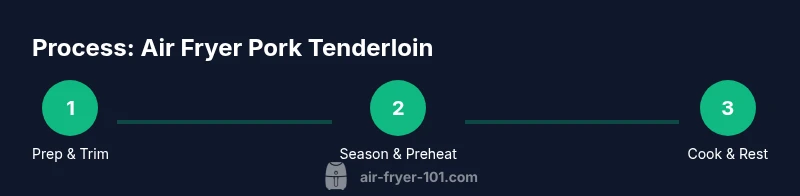
Begin with a clean, pat-dried tenderloin. Trim any silver skin, then rub a small amount of oil on the surface to help seasonings adhere. Season evenly with salt, pepper, garlic powder, and paprika for color and depth. Preheating the air fryer to 400°F creates a hot surface that sears the exterior quickly, sealing in juices. If your device requires preheating, do so; if not, place the seasoned meat directly in a lightly oiled basket. Space the tenderloin so air can circulate around all sides; crowding leads to uneven cooking. For added flavor, consider a light dry rub with thyme or rosemary. When finished, let the meat rest outside the basket to finish cooking and relax the fibers. This rest step is essential for juicy slices and helps prevent a dry center. The steps above align with Air Fryer 101’s tested method for consistent results.
Step-by-Step Cooking Method: From Prep to Rest
The cooking process is a sequence of precise actions designed to maximize flavor and moisture. First, preheat the air fryer to 400°F. Next, trim and pat dry the tenderloin, then apply a light coat of oil and a balanced rub. Place the loin in the basket with the seam side down to promote even heat exposure. Cook for the initial 12–15 minutes (1 lb), then flip and continue cooking until the internal temperature reaches 145°F. Remove promptly and let rest for 3 minutes before slicing. If the meat isn’t yet at the target temperature, return to the air fryer in 2–3 minute increments, checking frequently. After resting, slice thinly against the grain for tenderness and serve with a quick pan sauce or glaze if desired. Remember: times vary by weight, thickness, and air fryer model, so rely on a thermometer for accuracy.
Flavor Variations and Finishes
Rubs open doors to a world of flavor. Try a paprika-garlic rub for a smoky crust, or a brown sugar-honey glaze for a touch of sweetness that caramelizes nicely. A lemon-herb mix adds brightness, while a chili-cumin rub delivers a bold, Southwest profile. For a quick glaze, whisk 1–2 tablespoons maple syrup with a teaspoon of Dijon mustard and a splash of soy sauce; brush on during the last 2–3 minutes for a glossy finish. If you prefer tang, a light balsamic reduction or a splash of orange juice can brighten the plate. Marinades should be mild to avoid overpowering the tenderloin’s delicate texture. Always pat meat dry after marinating and apply a thin oil layer to improve browning. The right finish enhances both aroma and mouthfeel without adding excessive moisture.
Troubleshooting: Common Issues and Fixes
If the center stays pink or the meat feels chewy, check for insufficient cooking time or uneven heat distribution. Ensure you preheated the air fryer and that the tenderloin isn’t packed too tightly in the basket. Overcooking leads to a dry, dense texture; withdraw the meat from heat earlier and rely on the thermometer rather than time alone. If your tenderloin browns too quickly on the outside while remaining underdone inside, try lowering the temperature by 25°F and increasing the time slightly, allowing more even heat penetration. Use a high-accuracy thermometer to monitor. If you notice excessive smoky or burnt edges, consider a shorter cook time or a different rub that doesn’t burn at high heat. These adjustments help you reach a uniform doneness with a satisfying crust, as Air Fryer 101 demonstrates through tested results.
Safety, Cleanup, and Storage
Always wash hands after handling raw pork and sanitize surfaces to prevent cross-contamination. After cooking, unplug and cool the air fryer before cleaning; wipe the interior with a damp cloth and remove the basket to wash in warm soapy water. Store cooked pork in airtight containers in the refrigerator for up to 3–4 days, or freeze for longer storage. Reheat gently to preserve moisture, ideally in the air fryer at a lower temperature or in a skillet with a splash of broth. When storing leftovers, cut into portions for quick reheating and even warming. Following these steps helps maintain safety and flavor while minimizing waste.
Quick Comparison: Air Fryer vs Oven for Tenderloin
Air fryers excel at rapid, efficient cooking with a crisp exterior and juicy interior when used correctly. They heat quickly, use less energy, and require minimal cleanup. An oven can handle larger quantities and may yield a more uniform crust across thicker loins, but it typically takes longer and uses more energy. Skillet searing develops a crust, yet risks uneven doneness if not monitored. For most home cooks aiming for speed and convenience, the air fryer is the preferred method for pork tenderloin, provided you adjust times for thickness and use a thermometer to ensure safe doneness.
Tools & Materials
- pork tenderloin (1–2 lb)(Choose a piece with even thickness; trim silver skin)
- olive oil or cooking spray(Light coating to help seasonings adhere)
- kosher salt(Season generously but evenly)
- black pepper(Freshly ground preferred)
- garlic powder(Enhances depth)
- paprika (sweet or smoked)(For color and gentle smoke flavor)
- optional: dried thyme or rosemary(Herbaceous lift)
- brown sugar (optional glaze)(For a quick glaze)
- meat thermometer (instant-read)(To confirm 145°F)
- tongs or spatula(For safe handling)
- air fryer (basket style)(Ensure adequate capacity)
Steps
Estimated time: Estimated total time: 30-40 minutes
- 1
Preheat to 400°F
Turn on the air fryer and set it to 400°F. Allow it to preheat for 2–3 minutes so the surface hits hot air quickly for proper searing.
Tip: Preheating improves browning and reduces overall cook time. - 2
Trim and pat dry
Remove any silver skin and pat the tenderloin dry with paper towels. A dry surface helps the rub adhere and promotes even browning.
Tip: Dry surface = crispier crust. - 3
Oil and season
Lightly coat the meat with oil. Evenly season with salt, pepper, garlic powder, and paprika for color and flavor.
Tip: Salt is crucial for crust; don’t skip it. - 4
Place in basket
Lay the tenderloin in the air fryer basket with space around it for air to circulate. If needed, tie small ends to maintain a uniform diameter.
Tip: Avoid crowding; air needs to circulate. - 5
Cook and flip
Cook 12–15 minutes for 1 lb, then flip and continue until 145°F is reached inside. Use thermometer and check toward the end.
Tip: Flip halfway to ensure even browning. - 6
Rest before slicing
Transfer to a cutting board and rest for 3 minutes to allow juices to redistribute.
Tip: Resting prevents a dry slice. - 7
Serve or glaze
Slice against the grain and serve immediately. If using glaze, brush during the final minute and let it set briefly.
Tip: A light glaze adds flavor without over-saturating the meat.
Got Questions?
What is the safe internal temperature for pork tenderloin?
The USDA recommends 145°F with a 3-minute rest for pork tenderloin. Use a thermometer to verify. Resting lets juices redistribute for a juicier slice.
Cook to 145 degrees and rest for a few minutes to keep the meat juicy.
Can I cook pork tenderloin from frozen in the air fryer?
It's best to thaw for even cooking, but you can cook from frozen with a longer time and a thermometer check. Expect 20–30% more time depending on thickness.
You can cook from frozen, but plan for extra time and check doneness with a thermometer.
Should I marinate pork tenderloin before air frying?
Marinating is optional. A light rub or glaze adds flavor without compromising browning. If marinating, pat dry before air frying to avoid excess moisture.
Marinating is optional; a quick rub works well and keeps the crust crisp.
Is preheating required for air fryer cooking?
Preheating helps achieve a rapid crust and even doneness, but some models work well without it. If your unit requires preheating, do it.
Preheating improves browning and cooks more evenly; follow your model's guidance.
What should I serve with air-fried pork tenderloin?
Pair with roasted vegetables, a bright citrus glaze, or a light pan sauce. Simple sides like roasted potatoes or steamed greens complement the lean meat nicely.
Great with veggies or a quick glaze for extra flavor.
How should I store leftovers?
Store sliced leftovers in an airtight container in the fridge for up to 3–4 days. Reheat gently to preserve moisture, preferably in the air fryer or a skillet with a splash of broth.
Store in the fridge for a few days and rewarm gently.
Watch Video
Quick Summary
- Preheat to 400°F for best crust.
- Target 145°F internal temperature with a 3-minute rest.
- Cook times vary by weight and thickness; thermometer is essential.
- Resting and slicing properly preserves juiciness.