Air Fryer Vegetable Recipe: Quick, Healthy, Crisp Veggies
Master a simple air fryer recipe for vegetables with prep tips, timing by veggie, and flavor ideas. Fast, healthy, and foolproof guidance for busy home cooks.


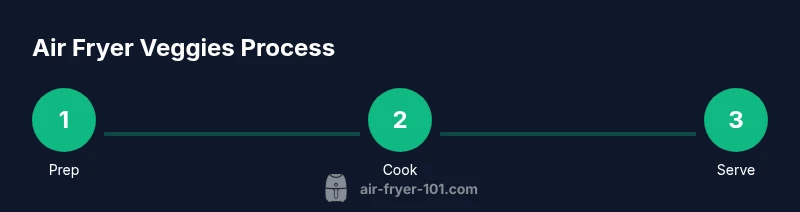
To make a simple air fryer recipe for vegetables, gather a mix of your favorite veggies, toss with olive oil and light seasonings, and preheat your air fryer. Cook at 375-400°F for 8-12 minutes, shaking once halfway. Finish with a squeeze of lemon or fresh herbs for brightness.
Why the Air Fryer Excels for Vegetables
Air fryers use rapid convection to circulate hot air, producing browned, crisp surfaces with little oil. This makes them ideal for vegetables because you can achieve a roast-like texture in a fraction of the time of an oven. The key is to avoid overcrowding and to cut pieces to uniform sizes so heat penetrates evenly. According to Air Fryer 101, uniform pieces and a single layer promote even browning and prevent soggy centers. When you start from a simple mix—broccoli florets, bell peppers, zucchini—you can assess how different textures respond to heat and adjust time accordingly. The technique also preserves color and nutrients better than heavy oil methods, while still delivering the savory flavors that make roasted vegetables appealing. For beginners, think of this as a flexible template: choose a short list of veggies you enjoy, use a light oil coating, and focus on achieving a crisp exterior with tender interiors. As you gain experience, you can expand to denser vegetables and experiment with coatings like garlic-herb blends or a citrus glaze.
Choosing the Right Vegetables for a Batch
Choosing vegetables that roast well in a hot air stream is half the battle. Root vegetables like carrots develop sweetness and color with a touch of caramelization, while cruciferous veggies such as broccoli and cauliflower take on a crisp edge with minimal oil. Bell peppers add color and sweetness, and green beans or asparagus offer quick, uniform cooking. Try a mix of dense and quick-cooking pieces to balance texture. Cut sizes should be uniform, ideally 1 to 1.5 inches, to ensure slower pieces don’t overcook while faster pieces brown properly. If you’re new to air frying, start with broccoli, peppers, and sliced zucchini. Air Fryer 101 guidelines emphasize variety within a batch so you can compare how different vegetables respond to heat. Pat dry after washing to maximize browning. Keep a simple cooking-chart for reference and adjust based on your model’s performance. The goal is a uniformly browned surface with vibrant color and tender centers.
Prep and Prepping: Washing, Cutting, and Coating
Proper prep makes all the difference for texture and flavor. Wash vegetables thoroughly and pat dry to remove surface moisture. Trim stalks or seeds as needed and cut into pieces that are roughly the same size. A light coating of oil, about 1–2 teaspoons per batch, helps with browning and sticking. Toss with salt, pepper, garlic powder, paprika, or any herbs you love. If you want extra crispness, consider a parchment liner or a perforated sheet to improve airflow and ease cleanup. The key is an even coat—too much oil can make pieces soggy, too little can prevent browning. Let the seasoned vegetables rest for a few minutes before cooking; this helps the oil and spices stick and begins flavor development.
Timing and Temperature Guide for Common Veggies
A dependable baseline is 375–400°F for 8–12 minutes for most vegetables. Dense pieces may need 12–15 minutes; delicate ones 6–8 minutes. Here are typical targets: broccoli florets 8–10 minutes, cauliflower 9–12 minutes, sliced carrots 10–12 minutes, Brussels sprouts halves 12–15 minutes, bell peppers 8–10 minutes, zucchini rounds 6–8 minutes. If mixing veggies, start with the longer-cooking items and add quicker pieces halfway through. Shake the basket halfway to promote even browning. If you see excess moisture, dry the vegetables a bit more or reduce moisture by patting dry before tossing. Air Fryer 101 notes small adjustments in time or temperature yield noticeable texture shifts, so keep notes from each batch for ongoing refinement.
Flavor Boosters: Seasonings, Sauces, and Finishes
Keep flavor simple and bright. A light oil helps the spices cling and promotes browning. Classic seasonings include garlic powder, onion powder, paprika, and black pepper; fresh herbs like lemon zest, parsley, or thyme brighten the finish. For a touch of richness, top with grated parmesan after cooking or sprinkle nutritional yeast for a dairy-free option. If you like heat, add a pinch of chili flakes or a light drizzle of hot sauce. For a glaze, whisk a small amount of honey or maple with mustard and brush on during the last 2 minutes. These boosters extend the flavor range without complicating the cooking process, making it easy to rotate flavors across weeks.
Troubleshooting Common Issues and Mistakes
Overcrowding is one of the most common mistakes, leading to soggy edges. Cook vegetables in a single layer with space between pieces, and consider cooking in batches for larger quantities. If browning is slow, preheat longer or increase the temperature by 25°F for the last few minutes. Moisture build-up can also hinder browning, so pat dry more thoroughly and avoid washing vegetables too far in advance. If some pieces brown too quickly, remove them earlier and finish the rest in a second batch. Finally, different vegetables release moisture at different rates; adapt times and piece size to account for those differences.
Batch Cooking, Meal Prep, and Serving Ideas
The air fryer is well suited to batch cooking. Roast a mix of vegetables to store for quick weeknight meals, or prepare sides for multiple meals in a week. Leftovers can be kept in an airtight container in the refrigerator for 3–4 days and reheated at 350°F for 2–4 minutes to regain crispness. To keep meals interesting, rotate flavors—try an Italian blend one week and smoky chipotle another. For meal prep, slice vegetables ahead of time and store them ready to toss with oil and seasonings before cooking. The result is fast, delicious sides that fit into a busy schedule.
Tools & Materials
- Air fryer (6-8 quart recommended)(Choose capacity based on your family size; preheat if your model requires it)
- Cutting board(Stable surface for safe chopping)
- Chef's knife(14-16 cm blade for efficient trimming)
- Mixing bowl(For tossing vegetables with oil and seasonings)
- Tongs(Gentle turning to avoid breaking pieces)
- Measuring spoons(For oil and spices)
- Parchment rounds or perforated sheets (optional)(Prevents sticking and makes cleanup easier)
- Oil spray or brush(Light coating to aid browning)
- Silicone spatula(Helpful for scraping bowls)
Steps
Estimated time: 20-40 minutes
- 1
Gather and prep vegetables
Wash thoroughly, trim stems, and cut into uniform pieces to ensure even cooking. Pat dry to minimize moisture that can steam surfaces. This step sets the foundation for predictable browning and texture.
Tip: Uniform pieces help all vegetables finish together; aim for 1-1.5 inch chunks. - 2
Preheat the air fryer
If your model recommends preheating, turn it on to the target temperature for 2-3 minutes before adding food. A hot basket starts browning immediately and reduces sogginess.
Tip: Preheating is especially helpful for dense vegetables like carrots or Brussels sprouts. - 3
Toss with oil and seasonings
In a mixing bowl, toss vegetables with a light coating of oil and your chosen seasonings. Avoid heavy oil; a little goes a long way for crisp surfaces.
Tip: Spice blends stick best when vegetables are equally coated. - 4
Arrange in a single layer
Place vegetables in a single layer in the air fryer basket or on a tray with space between pieces. Avoid crowding to allow hot air to circulate for even browning.
Tip: If you’re batch-cooking, cook in cycles to maintain crispness. - 5
Cook and shake halfway
Cook at 375-400°F for 8-12 minutes, depending on batch size. Shake or flip the pieces halfway to promote even browning.
Tip: Check a test piece at the 6–8 minute mark to gauge progress. - 6
Check doneness and finish
When edges are browned and centers are tender, remove from heat. A quick final toss with fresh herbs or a squeeze of lemon brightens the dish.
Tip: If some pieces aren’t browned enough, give them a few extra minutes in a second short interval. - 7
Serve or store leftovers
Serve immediately for best texture, or cool and store in an airtight container for up to 3–4 days. Reheat with a brief crisping session in the air fryer.
Tip: Reheating is best done at 350°F for 2–4 minutes to regain crispness.
Got Questions?
Can I mix different vegetables in one batch?
Yes, mix vegetables with similar cooking times and cut sizes. Keep pieces uniform to avoid uneven results, and consider starting with a baseline batch before combining longer and shorter cooking items.
Yes, you can mix vegetables as long as you keep the pieces similar in size and cooking time, then adjust as needed.
Do I need to use oil?
A light coating of oil helps browning and flavor. You can reduce oil to a spray if you want lower fat, but complete omission may lead to less browning.
A light oil helps browning; you can limit it to a quick spray for a healthier option.
Should I preheat the air fryer?
Preheating is recommended for most air fryers to ensure immediate browning. If your model lacks a preheat function, run at the target temperature for a few minutes before adding vegetables.
Preheating helps start browning right away and reduces overall cook time.
How do I reheat leftover roasted vegetables in the air fryer?
Spread leftovers in a single layer and reheat at 350°F for 2–4 minutes, shaking halfway. This restores crispness better than microwaving.
Reheat at 350°F for a few minutes to restore crunch.
Can I cook frozen vegetables in the air fryer?
Yes, but expect longer cooking times and extra drying. Toss with a little oil and check for doneness a bit earlier in the process.
Frozen veggies work fine; you may need more time and a quick shake mid-cook.
What if vegetables are soggy?
Soggy results usually mean moisture, crowding, or insufficient browning. Pat dry well, avoid overcrowding, and extend cook time in small increments until crisp.
Soggy veggies come from moisture and crowding—pat dry and cook in smaller batches.
Watch Video
Quick Summary
- Preheat when required for best browning
- Cut veggies evenly for uniform results
- Shake the basket for consistent crispness
- Finish with bright toppings for flavor contrast