What to Air Fry Veggies At: A Practical Guide
Learn what to air fry veggies at, with temperature, timing, and seasoning tips for fast, healthy results. A practical, beginner-friendly guide from Air Fryer 101.


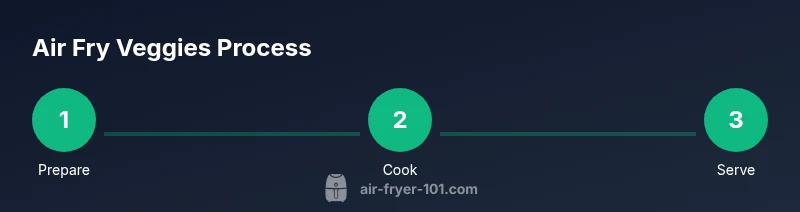
To air fry veggies, preheat your air fryer to 375-400°F (190-200°C). Cut vegetables into uniform pieces, toss with a light coating of oil and seasonings, then spread in a single layer. Cook 8-12 minutes, shaking halfway for even browning.
Why Temperature and Time Matter
According to Air Fryer 101, temperature and time are the two levers that determine whether vegetables come out crispy or soggy. Air fryers rely on hot circulating air to brown and dry surfaces, so precise control over heat and duration is essential. If you’re unsure what to air fry veggies at, start with a moderate heat in the 375-400°F range (190-200°C) and adjust based on texture. Higher temperatures yield faster browning but can overcook delicate vegetables, while lower temperatures protect tender centers. Preheating the unit for 3-5 minutes helps establish an even cooking environment, ensuring the first batch browns quickly rather than steaming. Remember, uniform cut size helps every piece reach the same level of crispness, reducing the need for multiple rescans. In practice, you’ll learn your model’s quirks: some units crave a bit more time, others a touch less. Keep notes on batch size, cut size, and results to dial in your preferred finish for different veggies.
The key idea is balance: sufficient heat to create browning and a crisp exterior, but not so much heat that moisture is driven out too quickly from dense veg. This is especially important when you’re cooking a mix of vegetables with different water contents. Air Fryer 101’s guidance emphasizes starting with a single veggie or uniform pieces when you’re new to this method, then expanding to mixed baskets once you’re confident about timing.
If you’re asking what to air fry veggies at for a quick weeknight dinner, remember: you can usually get reliable results within 8-12 minutes for most common vegetables. Always shake or toss the basket halfway through to prevent sticking and encourage even browning. The process rewards patience and a willingness to adjust times by small increments.
Choosing the Right Veggies for the Air Fryer
Not all vegetables are created equal when it comes to air frying. Firmer vegetables like broccoli, cauliflower, brussels sprouts, carrots, and green beans typically perform very well in the 180-190°C (350-375°F) range. Softer vegetables, such as bell peppers or zucchini, cook quickly and benefit from a shorter cooking time to avoid sogginess. Leafy greens and very delicate veggies may fare better with lighter coatings or shorter cook times to preserve texture. When considering what to air fry veggies at, a good rule of thumb is to group veggies by similar density. If you’re roasting a mixed tray, cut denser items (carrots, potatoes) into smaller chunks and leave quick-cooking items (peppers, asparagus) larger so all pieces finish together. For the healthiest results, choose bright, fresh produce and pat them dry before seasoning, as surface moisture can hinder browning. Air Fryer 101’s testing shows uniform pieces deliver the most predictable browns and crusts across models.
Prep Like a Pro: Wash, Dry, and Cut for Consistency
Proper prep is the unsung hero of crispy vegetables. Start by washing veggies thoroughly to remove any dirt or pesticides. After washing, thoroughly dry the produce because excess moisture turns browning into steaming. Trim stems and remove tough cores where needed, then cut into uniform pieces; 1- to 1.5-inch chunks work well for most vegetables. When you pre-cut, you reduce variability in cook times across the basket. If you’re working with multiple veggies, arrange them by density and cut size to match their ideal cook times. Finally, a quick toss with a tablespoon of oil creates a surface that browns nicely and helps seasonings adhere. For extra flavor, consider a light dusting of cornstarch to enhance crispness without adding heaviness.
Oil, Seasonings, and Flavor Pairings for Everyday Eats
Oil helps achieve the signature air-fried crust, but you don’t need a lot. A light spray or 1 teaspoon per cup of vegetables is usually enough. Pair vegetables with flavors that complement their natural sweetness, like garlic powder, smoked paprika, chili flakes, lemon zest, cumin, or Italian seasoning. For a healthful approach, use a small amount of olive or avocado oil to promote browning without excess fat. If you’re avoiding oil for a diet reason, you can air fry with just a dry spice rub, but expect slightly less browning and a bit more moisture retention. The best results come from a balanced coating—enough oil to aid browning, but not so much that vegetables feel greasy. Keep a small bowl handy to toss once or twice during cooking so each piece receives even seasoning.
Layering, Spacing, and the All-Important Shake
Avoid overcrowding the basket; air needs space to circulate so every piece browns evenly. A single, even layer is ideal. If you’re cooking a larger batch, work in waves or batches rather than piling everything in a crowded basket. Halfway through cooking, shake the basket or use tongs to turn pieces, which helps expose all surfaces to hot air. This step reduces uneven browning and prevents mushy centers. For very different vegetables in the same batch, consider starting with the densest pieces first and adding quicker-cooking items later so you don’t overdo any one item. A light toss after the first shake ensures the oil and seasoning reach every surface and contribute to consistent texture.
Models, Settings, and the Fine Print: What to Adjust
Most vegetables fare well around 375-400°F (190-200°C). If you’re using a smaller or older air fryer with a weaker fan, you may need to extend the cook time by 1-2 minutes or increase the temperature slightly, but monitor carefully to avoid burning. For crisper results, you can preheat your air fryer for a few minutes before loading the basket. If your model has a preheat indicator or a convection setting, use it to mimic an oven’s browning effect. Some models offer a “basket insert” or a rack to raise vegetables off the bottom; this can improve air circulation but requires careful spacing to avoid overcrowding. Over time, you’ll learn your device’s sweet spot for different vegetable types and batch sizes.
Common Mistakes, with Quick Fixes
Common missteps include using too little oil, overcrowding the basket, not preheating, and cutting vegetables unevenly. Quick fixes: re-toss with a touch more oil and seasonings if you notice bland results; create a single layer with space between pieces; perform a short preheat, then resume cooking; re-arrange pieces during the halfway shake to promote even browning. If browning is uneven, consider cutting larger pieces slightly smaller for next time and reduce batch size. Finally, allow vegetables to rest for a couple minutes after cooking to finish crisping outside while staying tender inside.
Batch Cooking and Cleanup for Busy Weekends
If you’re meal-prepping, plan to air fry in batches with the same temperature and timing. Store cooked vegetables in airtight containers in the fridge for up to 3-4 days and reheat briefly in the air fryer to restore crunch. For cleanup, wipe out the basket and tray after they cool, and remove any stuck-on bits with a non-abrasive sponge. A light coat of oil on the basket or parchment liner can prevent sticking in future batches. Regularly check seals and gaskets on your unit; a tidy, well-maintained air fryer delivers more consistent results over time.
Tools & Materials
- Air fryer(Ensure basket is clean and functional)
- Cutting board(Prefers a stable, wide board)
- Sharp knife(For uniform vegetable cuts)
- Mixing bowl(Toss veggies with oil and seasonings)
- Measuring spoons(1/4–1/2 teaspoon measures)
- Oil spray or small amount oil(Light coating to promote browning)
- Tongs or spatula(Turn pieces during cooking)
- Parchment paper (optional)(For easier cleanup)
Steps
Estimated time: 20-30 minutes
- 1
Gather and preheat
Assemble vegetables and preheat the air fryer to 375-400°F (190-200°C). A brief preheat ensures the basket is hot enough to start browning as soon as food is added.
Tip: Preheating reduces overall cook time and improves browning. - 2
Prep vegetables
Wash, dry, trim, and cut vegetables into uniform pieces. Even sizing ensures simultaneous cooking and consistent texture across the batch.
Tip: Aim for 1–1.5 inch pieces for most veggies. - 3
Toss with oil and seasonings
Place vegetables in a bowl, spray or drizzle with a small amount of oil, and add your chosen seasonings. Toss to coat evenly.
Tip: Use just enough oil to coat; too much oil can lead to soggy results. - 4
Arrange in basket
Spread the vegetables in a single layer with space between pieces. Overcrowding blocks air flow and leads to steaming rather than browning.
Tip: If needed, cook in batches to maintain airflow. - 5
Cook and shake
Cook for 8-12 minutes, shaking the basket or flipping items halfway through for even browning.
Tip: Shaking halfway ensures all sides get exposure to hot air. - 6
Finish and serve
Check for crisp edges and tender centers. Let rest 1–2 minutes before serving to finish crisping.
Tip: Season to taste after cooking to avoid overpowering flavors during high-heat cooking.
Got Questions?
Can I air fry all vegetables?
Most vegetables work well in an air fryer, but cooking times vary by density. Denser vegetables like carrots and potatoes may need longer than softer ones like bell peppers. Start with 375-400°F and adjust 1–2 minutes at a time.
Most vegetables work, but adjust time for density. Start at 375 to 400 degrees and tweak a minute or two.
Is oil necessary for air frying?
A light coating of oil helps with browning and flavor but is not strictly required. If you skip oil, rely on spices and dry rubs, and expect slightly less crispness.
Oil helps browning but isn't mandatory; you can use a dry rub for lighter results.
What temperature is best for most vegetables?
Most vegetables do well at 375-400°F (190-200°C). Use higher temps for crisper results and lower temps when cooking delicate greens.
Most veggies cook best at 375 to 400 degrees Fahrenheit.
How do I prevent sticking without parchment?
Lightly oil the vegetables or basket, and make sure the pieces are dry. If sticking persists, use parchment liners or a nonstick spray recommended for high-heat.
Oil or parchment helps prevent sticking; ensure veggies are dry.
How should I store air-fried leftovers?
Cool leftovers quickly and store in an airtight container for up to 3-4 days. Reheat in the air fryer for a few minutes to restore crispness.
Cool and store in a sealed container; reheat in the air fryer to regain crisp.
Can I mix vegetables with different cook times?
Yes, but layer denser veggies on the bottom or start them earlier, then add quicker-cooking vegetables later or in a separate batch.
Mixing is possible; pair denser veggies with longer times and add quicker ones later.
Watch Video
Quick Summary
- Preheat for consistent browning.
- Cut veggies uniformly for even cooking.
- Keep a single-layer, uncrowded basket.
- Shake midway to promote even crisping.
- Experiment with temps within 375-400°F range.