Easy Air Fryer Recipe: Quick, Crispy Results for Busy Home Cooks
Discover an easy air fryer recipe designed for busy home cooks. Learn quick prep, smart coatings, and crisp textures with minimal oil for healthier, delicious results.


With this easy air fryer recipe, you’ll transform simple ingredients into a quick, crispy dish. You’ll start by gathering a short pantry list, preheating the air fryer, and using a simple coating for even browning. Then you’ll air-fry at two temperatures, flip halfway, and finish with a rest. Follow these steps for reliable, healthier frying at home.
Why an easy air fryer recipe fits modern kitchens
According to Air Fryer 101, an easy air fryer recipe fits busy schedules without sacrificing flavor. Modern kitchens crave speed, simple ingredients, and minimal cleanup — and the air fryer delivers. In this section, we’ll explore why this approach works well for home cooks who want crisp textures with less oil. Air Fryer 101's insights emphasize consistency, reliable timing, and predictable results, which reduce trial-and-error in weeknight meals. We’ll outline the core advantages: speed, health, convenience, and affordability, then set the stage for an adaptable recipe you can tailor to your pantry. This foundation helps beginners gain confidence and seasoned cooks discover new twists while keeping shopping simple.
The beauty of an easy air fryer recipe is its flexibility. You can substitute proteins, swap vegetables, or vary seasonings without reinventing the process. By focusing on a core technique—preheat, coat lightly, cook with minimal oil, and rest—you maintain reliability across ingredients. Air Fryer 101’s approach centers on keeping things straightforward: fewer moving parts means fewer mistakes and quicker cleanups, which matters when you’re feeding a family or feeding yourself after a long day.
In practice, the method translates into consistent browning, crisp edges, and juicy centers. The result is a delicious meal that feels indulgent but remains budget-friendly and health-conscious. This section sets expectations for how the steps in this guide will map to almost any protein, vegetable, or starch you choose to prepare in your air fryer.
Ingredient foundations for simple air fryer meals
Choosing ingredients wisely is the cornerstone of an easy air fryer recipe. Start with pantry staples and flexible proteins that don’t require lengthy marination. Air Fryer 101 emphasizes selecting items that cook quickly and evenly in an enclosure with circulating hot air. Primary categories include lean proteins (chicken, shrimp, tofu), sturdy vegetables (potatoes, peppers, broccoli), and simple starches (potato wedges, sweet potato fries, cauliflower tots).
For coatings, a light dusting of cornstarch or a thin layer of breadcrumbs helps achieve a crisp exterior without deep-frying. Spices should be simple—salt, pepper, garlic powder, paprika, and a touch of oil spray to promote browning. If you’re using sauces, apply them after cooking to prevent sogginess. Fresh herbs brighten the dish without complicating the process. The goal is to assemble a short shopping list that supports multiple meals, with room to mix and match proteins, veggies, and seasonings across the week.
Keep portions moderate to ensure even air circulation. Small-batch cooking often yields the best texture, especially for beginners learning the timing of your specific model. If you’re cooking for a crowd, plan to batch-cook in multiple rounds rather than overcrowd the basket. This approach prevents steaming and guarantees consistent crispness across servings.
Essential equipment and preheating for reliable results
A core part of any easy air fryer recipe is setting up the equipment properly. Begin with a model that has sufficient capacity for your typical meals—3 to 6 quarts covers most households. Preheating is a common source of confusion; many foods benefit from a quick warm-up, especially when you’re cooking for 10 minutes or less. Preheating for 2–4 minutes can mimic the effects of a traditional oven and help achieve even browning.
Place a light coating of oil or a spray on the basket or food surface to improve browning without adding excessive fat. If you’re using parchment liners, ensure they don’t block airflow by trimming to fit and leaving space around the basket. For cleanup, consider a silicone brush or spatula to avoid scratching nonstick surfaces. Finally, keep a digital thermometer handy for proteins to verify safe temperatures without overcooking.
In this setup phase, the aim is to prepare a reliable workspace: preheat, lightly oil, arrange ingredients in a single layer, and have your timer ready. With fewer moving parts and a consistent preheat, you’ll reduce guesswork and achieve dependable results each time.
Coatings, breadcrumbs, and batters for crisp texture
Crisp texture is the hallmark of a successful air fryer recipe. Coatings help liquids form a quick barrier to prevent sogginess and to promote browning. For a light crust, use a thin dusting of cornstarch or a modest amount of breadcrumbs mixed with spices. A wet batter can work, but it dries quickly under the circulating air, so keep it simple and opt for a sauce or glaze applied after cooking for best results.
If you’re working with proteins, pat dry before applying the coating to ensure adherence. For vegetables, a light toss in oil and seasoning improves browning and flavor distribution. When using starches like potatoes, par-cooking them slightly prior to air-frying can shorten total cook time and encourage a uniform interior.
Experiment with layers of flavor: garlic powder, smoked paprika, chili powder, and a touch of lemon zest can redefine a basic recipe. Remember: the goal is a balanced, crispy exterior with a juicy interior, achieved with modest oil and precise timing.
Flavor boosters: herbs, spices, and sauces
Flavor is the easiest way to elevate an easy air fryer recipe without complicating the process. Start with a simple dry rub and a drizzle of sauce or glaze after cooking. Fresh herbs like parsley or cilantro brighten the dish when sprinkled on top just before serving. For savory depth, combine garlic, onion powder, paprika, and a pinch of chili flakes.
Sauces can go on after air frying. A squeeze of lemon or lime adds brightness, while a basic honey-soy mixture provides a glossy finish. For a healthier approach, focus on spice blends rather than sugary glazes. Always taste as you go and adjust salt and heat to your preference to keep the dish approachable for beginner cooks.
Step-by-step cooking framework: a reliable workflow
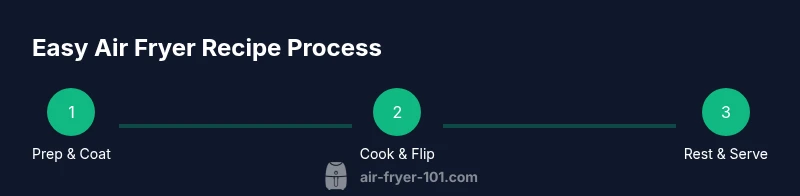
A reliable workflow for an easy air fryer recipe includes prep, preheat, coat, cook, flip, rest, and serve. This framework minimizes guesswork and yields consistent results across ingredients. Start by assembling ingredients and drying surfaces. Preheat the air fryer for 2–4 minutes, then arrange items in a single layer with space for air to circulate. Cook times vary by item type, so use a timer and check for doneness a few minutes before the end. Flip halfway to ensure even browning, and let the food rest briefly before serving to reabsorb juices.
This workflow is adaptable: proteins may require slightly longer cook times, while vegetables may finish earlier; use an instant-read thermometer to verify doneness when cooking chicken or pork. By following this consistent process, you’ll build confidence and speed, making weekly meals more enjoyable and less stressful.
Common mistakes and how to avoid them
Even a simple air fryer recipe can fail without attention to detail. Common mistakes include overcrowding the basket, which blocks air flow and leads to uneven browning; using too much oil, which can pool and ruin texture; and relying on a single cook time for all ingredients, which ignores variance in size and density. To avoid these pitfalls, cook in batches when needed, lightly oil surfaces, and stagger cooking times for mixed ingredients. Preheating correctly is another frequent misstep—don’t skip this step if your recipe relies on crisp edges. Finally, be patient with crisping; some foods benefit from a brief rest outside the oven to redistribute juices. By mindful timing and separation, your results improve dramatically.
Healthier tweaks and budget-friendly ideas
An easy air fryer recipe can be both healthier and budget-friendly with a few smart adjustments. Use lean proteins, prioritize fresh vegetables, and control oil application to minimize unnecessary fat while preserving texture. Batch-cook staples like potatoes or chicken at the start of the week to create quick meals later. For variety, swap spices and herbs to produce different flavor profiles without increasing cost. Frozen vegetables and pre-cut proteins are convenient but compare their salt content to fresh options. Overall, the air fryer delivers satisfying meals with less oil when you plan ahead.
If you’re watching your budget, consider using seasonal produce and store-brand spices. The goal is to maximize flavor with minimal ingredients and steps while maintaining crisp texture.
What to serve with easy air fryer dishes
Pairing ideas help finish an easy air fryer meal with balance and variety. A crisp protein like chicken tenders goes well with a bright green salad, roasted vegetables, or a light grain such as quinoa or farro. For starch-based sides, try air-fried sweet potato fries or roasted potatoes with a lemon-dill yogurt dip. Fresh fruit or a citrusy salsa can brighten the plate and offer a contrast to the richness of fried textures. A simple yogurt-based sauce or a herby chimichurri complements many proteins without adding heaviness.
Keep the menu flexible: rotate proteins (chicken, shrimp, tofu), swap veg alternatives, and adjust seasonings to reflect the seasons. A well-balanced plate centers on texture, color, and a sensible portion size, making healthful eating feel effortless.
Tools & Materials
- Air fryer(3–6 quart (2.8–5.7 L) model works for most meals)
- Cooking spray or light oil(Used sparingly to promote browning without deep-frying)
- Mixing bowl and whisk(For coatings or seasoning blends)
- Tongs or spatula(For turning food without breaking crusts)
- Measuring spoons and cups(To keep seasoning accurate)
- Parchment liners or silicone mat(Optional; keep air flow in basket if needed)
- Digital thermometer(Helpful for checking meat doneness)
Steps
Estimated time: Total time: 25-30 minutes
- 1
Gather ingredients and prep
Collect proteins, vegetables, coatings, and seasonings. Pat dry meat and slice vegetables into uniform pieces for even cooking. Pre-measure spices to streamline the process. This initial prep reduces interruptions during cooking.
Tip: Mise en place pays off—have everything ready before you start the air fryer. - 2
Preheat and oil lightly
Preheat the air fryer for 2–4 minutes depending on model. Lightly spray the basket or the food surface with oil to promote even browning without pooling fat. Avoid over-oiling, which can lead to soggy textures.
Tip: A light mist is enough—too much oil changes the texture from crisp to greasy. - 3
Coat or season the ingredients
Toss items in a light coating of starch or breadcrumbs if you want a crust, or simply season with spices for a crisper exterior. Pat coatings onto the surface so they don’t fall off during cooking.
Tip: Even coverage ensures consistent browning on all sides. - 4
Arrange in a single layer
Place ingredients in a single, uncrowded layer in the basket or tray. Overcrowding blocks hot air and results in uneven browning. If needed, cook in batches.
Tip: Leave space between pieces to maximize air circulation. - 5
Cook and flip halfway
Air fry at the recommended temperature for the item, flipping halfway to ensure uniform texture. Cook times vary by ingredient; check for doneness a couple of minutes before the timer ends.
Tip: Flipping at halfway point is key to even browning. - 6
Rest briefly and serve
Let the cooked food rest for 1–3 minutes to reabsorb juices before serving. This yields juicier interiors and crisper exteriors. Plate and enjoy immediately for best texture.
Tip: Resting helps retain moisture and improves texture.
Got Questions?
What makes an air fryer easy to use for beginners?
An easy air fryer recipe keeps steps minimal, uses a short ingredient list, and relies on a simple workflow: prep, preheat, coat lightly, cook with air circulation, flip if needed, and rest before serving.
Begin with a short list of ingredients and a straightforward prep-cook-rest cycle; that’s the essence of ease in air frying.
Can I cook frozen foods directly in the air fryer?
Yes, many frozen items can be cooked directly in an air fryer. You may need to increase the cooking time slightly and shake or flip once during cooking for even browning.
Yes, you can cook frozen foods, but you might need more time and a quick shake during cooking.
Do I need oil for crispiness in the air fryer?
A light coating of oil or spray helps with browning and texture, but you don’t need deep-frying oil. Many crisp results come from heat, air circulation, and a small amount of oil.
A light oil spray is usually enough for a crisp exterior without deep-frying.
What temperatures are best for chicken or vegetables?
Chicken is typically cooked around 375–400°F (190–204°C) until safe doneness; vegetables vary by type but often crisp at 370–400°F (188–204°C). Always verify with a thermometer for meat.
Most meats cook around 375–400°F; vegetables usually cook well around 370–400°F.
How do I clean my air fryer after cooking?
Unplug and cool the unit, wipe the exterior, and remove the basket to wash with warm soapy water. Avoid abrasive cleaners that can damage nonstick coatings. Dry thoroughly before reuse.
Unplug, wait for it to cool, wash components, and dry completely before using again.
Is an air fryer healthier than deep frying?
Air frying generally uses less oil than deep frying, which can reduce fat and calories. The overall health impact also depends on ingredients and portion sizes.
Yes, it can be healthier because it uses less oil, but overall health depends on what you cook and how much you eat.
Watch Video
Quick Summary
- Choose a simple ingredient set for reliability.
- Preheat, don’t skip, and avoid overcrowding.
- Light coatings and smart spices boost crisp texture.
- Cook in batches if needed for even results.
- Rest briefly before serving to maximize juiciness.