Air Fryer Chicken Breast Recipe: Juicy, Quick Guide
Master a juicy air fryer chicken breast with this step-by-step guide. Learn prep, seasoning, timing, and safety to enjoy healthy, flavorful chicken in minutes.


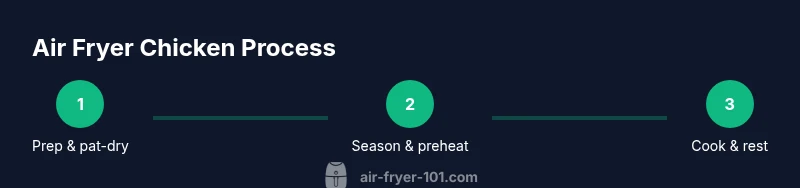
With an air fryer, you can cook juicy chicken breast quickly and healthily. This quick answer shows the essential steps—from brining or pat-drying to seasoning and air-frying for even doneness. Expect about 9–12 minutes at 360°F, plus a brief rest for juiciness. For best results, use a meat thermometer and slice to check doneness.
Why this air fryer chicken breast recipe works
This air fryer chicken breast recipe harnesses the power of rapid hot air to brown the exterior while sealing in moisture. The key is balancing surface dryness, even thickness, and modest oil or none at all. When air circulates around the meat, you get a crisp crust with a tender center in a fraction of the time compared to pan-searing or oven broiling. The result is a quick, healthful protein that fits well into weeknight meals and meal-prep plans.
As you work through this guide, you’ll see how small changes—like patting the surface dry, choosing uniform breast sizes, and letting the meat rest—translate into noticeably better texture. This approach keeps the chicken juicy rather than chewy or dry, a common concern with lean cuts. You’ll also learn how to tailor flavors to your family’s preferences without complicating the process.
Air fryer enthusiasts often cite consistency as a major benefit. By sticking to steady temperatures and avoiding overcrowding, you ensure even browning and doneness across all pieces. This makes batch cooking practical for school lunches, weekday dinners, or inviting friends for a quick, healthy meal. The following sections translate those principles into actionable steps you can apply tonight with minimal prep.
Choosing the right chicken breast and prep
The foundation of a great air fryer chicken breast is a well-prepped cut. Look for boneless, skinless breasts that are roughly the same thickness, ideally about 3/4 to 1 inch (2–2.5 cm) thick. If you have multi-pound packages, consider pounding or lightly flattening the thicker pieces to an even half- to three-quarters-inch thickness. This helps ensure uniform cooking and avoids a underdone center or overcooked edges.
Pat the chicken dry with paper towels to remove surface moisture. This step is essential because moisture on the surface can steam the meat rather than promoting browning. If you plan to brine, do it before pat-drying, then rinse and pat dry again. For most weeknight recipes, pat-drying and a simple spice rub are enough to achieve a flavorful crust without extra steps.
Before seasoning, bring the meat to near room temperature for about 15 minutes. This small wait helps the heat distribute more evenly during cooking, reducing the chance of a cool center. If you’re cooking straight from the fridge, you may need a few extra minutes in the air fryer, but start checking doneness sooner to avoid drying out the edges.
Brining vs pat-drying: juiciness trade-offs
Brining can add moisture and improve juiciness, especially for thicker breasts. A light brine (water with a pinch of salt) for 15–30 minutes before drying is enough for many cooks, but skip brine if you’re short on time. Pat-drying afterward is crucial to remove surface moisture that would otherwise hinder browning.
Pat-drying is simpler and faster for most daily meals. If you brine, remember to rinse and pat dry again, then apply your rub. Either approach works with the air fryer; the key is to keep the surface dry enough to promote a crisp crust while preserving interior moisture. You can also use a light oil spray to help the seasonings adhere and to enhance browning without adding excessive fat.
Consider your schedule and preferences when choosing between brine and dry rub. If you’re feeding a crowd or want extra juiciness, brining is a solid option. For speed and simplicity, pat-drying plus a bold rub delivers excellent results in under 15 minutes of active prep.
Flavor ideas and seasoning ideas for your air fryer chicken
The beauty of this recipe is its flexibility. A simple garlic-herb blend suits weeknight dinners, while paprika, cumin, and chili powder create a smoky, bold profile. For a parmesan crust, dust the surface with grated cheese and breadcrumbs before air-frying. If you want a brighter finish, finish with a squeeze of lemon or a fresh herb chiffonade.
Classic garlic herb rub: mix minced garlic, dried thyme, salt, pepper, and a touch of olive oil. Smoky paprika rub: combine smoked paprika, cumin, garlic powder, salt, and a light drizzle of oil. Parmesan crust: press grated parmesan or a mix of parmesan and breadcrumbs onto the surface after pat-drying. For kids or picky eaters, a gentle lemon-pepper blend is a safe, familiar option.
To save time, prepare a few spice blends in advance and store them in small containers. That way, you can reach for your preferred flavor without measuring every time. This approach keeps the process quick while allowing you to customize flavors for each family member.
Cooking technique: timing, temperature, and airflow
Preheat your air fryer to about 360°F (182°C) for optimal browning. Place the seasoned chicken breasts in a single layer, ensuring space between pieces for air to circulate. If your model has a smaller basket, cook in batches to prevent overcrowding, which can lead to uneven cooking.
Cook for 9–12 minutes, flipping halfway through. Thickness matters: thinner pieces finish closer to 9 minutes, thicker pieces may approach 12. Use a meat thermometer to verify doneness; target an internal temperature of 165°F (74°C) in the thickest part. If you’re close to the upper end of the range, rest the meat for 3–5 minutes after cooking to allow carryover heat to finish the job.
If you notice uneven browning, rotate or rearrange pieces halfway through. A light spray of neutral oil can help promote browning, but it’s optional if you’re using a rub with a bit of oil. After cooking, let the chicken rest to retain juices before slicing against the grain.
Resting, slicing, and serving for best texture
Resting is often the neglected step that makes the difference between a juicy interior and a dry finish. Let the chicken rest for 3–5 minutes after removing it from the air fryer. Resting allows the juices to redistribute, producing a more uniform texture when you cut.
Health considerations and nutrition snapshot
Lean chicken breast is a great source of high-quality protein with relatively low fat when prepared with minimal added oil. An air fryer approach preserves more nutrients by reducing cooking time compared with longer methods. You can pair air fryer chicken with a wide range of vegetables, whole grains, and legumes for balanced meals. If you are tracking macros, weigh your portions and adjust seasoning to keep sodium in check.
Troubleshooting common issues and fixes
If the outside browns too quickly before the center is cooked, lower the temperature by 10–15°F and extend the cook time by a couple of minutes. If the center remains undercooked, consider pounding the breasts to uniform thickness before cooking; this helps heat distribute evenly. For dry results, check that you’re not overcooking; use a thermometer and remove meat as soon as it hits 165°F. Finally, avoid crowding the basket, which leads to steaming rather than crisp browning.
Tools & Materials
- air fryer(Choose a model with at least a 4-quart basket for even air flow)
- meat thermometer(Digital probe thermometer preferred; ensure it reads to at least 180°F)
- tongs or spatula(For safe flipping without piercing the meat)
- kitchen shears or knife(Trim any connective tissue; optional slice to check thickness)
- oil spray or neutral oil(Lightly mist if using a rub that benefits from oil)
- cutting board(For resting and slicing after cooking)
Steps
Estimated time: 30-40 minutes
- 1
Prepare the chicken
Pat-dry the chicken breasts thoroughly and bring to near room temperature for even cooking. If using a brine, brief brining can be done prior to pat-drying, but rinse and pat dry afterward. This step improves browning and juiciness.
Tip: Pat-drying is crucial for browning; moisture on the surface creates steam rather than a crust. - 2
Season or marinate
Apply your chosen rub evenly over the surface. For quick meals, a simple pinch of salt, pepper, and garlic powder works well. If you’re using a marinade, allow it to coat the surface but avoid excess liquid that can hinder browning.
Tip: Even coverage ensures consistent flavor in every bite. - 3
Preheat and ready the air fryer
Preheat the air fryer to 360°F (182°C) to ensure immediate hot air circulation once the meat goes in. Lightly oil the basket or spray the chicken lightly to promote browning, if desired.
Tip: Preheating helps achieve a crisp crust faster and reduces overall cook time. - 4
Cook and flip
Place the chicken in a single layer with space between pieces. Cook for 9–12 minutes, flipping halfway through to promote even browning and interior doneness.
Tip: Avoid crowding the basket; air needs to circulate for even cooking. - 5
Check doneness
Use a meat thermometer to verify the thickest part reaches 165°F (74°C). If not yet reached, continue in 2–3 minute increments until done.
Tip: Thermometer accuracy is the best way to prevent overcooking. - 6
Rest and slice
Let the chicken rest for 3–5 minutes after cooking, then slice across the grain for juicy, tender pieces.
Tip: Resting redistributes juices for optimal texture.
Got Questions?
Can I use frozen chicken breasts in this air fryer recipe?
Yes, but they will require longer cook times and may not brown as evenly. It’s best to thaw and pat-dry first for consistent results.
Yes, you can use frozen breasts, but thawing improves browning and even cooking.
What if my breasts are very thick?
Pound or gently flatten thicker pieces to about 1 inch before cooking, or cook in two batches to ensure the center reaches 165°F.
If thick, flatten a bit or cook in batches for even doneness.
Can I season with a dry rub only?
Absolutely. A dry rub provides all the flavor you need without extra moisture. You can also add a light spray of oil to help browning.
Yes, dry rubs work great and keep things simple.
Is the 360°F temp essential?
360°F is a common target that balances browning and juiciness. Some ovens may work at 350–375°F; adjust time accordingly and monitor with a thermometer.
360°F is a good starting point, but adjust as needed.
How long should I rest after cooking?
Allow 3–5 minutes of rest to redistribute juices before slicing for best texture.
Rest for a few minutes to keep juices inside the meat.
What sides pair well with air fryer chicken breasts?
Try roasted vegetables, quinoa, rice, or a simple green salad to complete a healthy meal.
Pair with vegetables or grains for a balanced plate.
Watch Video
Quick Summary
- Use even thickness for uniform cooking
- Pat dry and preheat for crisp browns
- Aim for 165°F internal temp and a short rest
- Experiment with flavors using rubs and marinades