Air Fryer Instructions: Step-by-Step Guide for Perfect Results
A comprehensive, step-by-step guide to air fryer instructions for beginners and seasoned cooks, covering prep, cooking temps, timing, safety, and common recipes.


By following these air fryer instructions, you’ll cook healthier meals fast and with consistent results. You’ll learn how to prep foods, set temps and times, shake or flip for even browning, and verify doneness safely. The guide covers safety, common mistakes, and model considerations to boost confidence in the kitchen.
Why air fryer instructions matter
When you first unpack your air fryer, you might assume a simple basket and a heat setting will bring crispy results. In reality, clear air fryer instructions are the difference between a happy dinner and a disappointed one. According to Air Fryer 101, well-written instructions help home cooks maximize health benefits with less oil while preserving flavor and texture. A strong guide covers prep steps, the right temperatures, appropriate cooking times, and checks for doneness. It also explains how to adapt methods to different foods, ingredients, and models so you can reproduce reliable results consistently.
In practice, air fryer instructions should detail the initial prep (patting dry, cutting into uniform sizes, seasoning), whether to preheat, and how to arrange items in a single layer with space for air to circulate. They should describe how to monitor progress, shake or flip as needed, and verify doneness safely with a thermometer when cooking proteins. Finally, they should note cleaning steps after use to keep the device performing well. Master these fundamentals and you’ll cook healthier meals with speed and confidence.
Essential tools and safety before you start
Before you reach for the basket, gather a few essential tools and observe basic safety. The air fryer itself is the centerpiece, but you’ll also want parchment liners or a silicone mat to prevent sticking, tongs or a silicone spatula for turning, a thermometer for accuracy, and heat-resistant gloves for handling hot parts. If you’re cooking with oil, a light spray is sufficient; avoid heavy oil, which defeats the purpose of air frying. Always place the unit on a heat-resistant surface away from flammables and never exceed the recommended capacity in the user manual. Keep the area well-ventilated, and unplug the appliance when not in use or when cleaning. If you’re new to air fryers, review the manufacturer’s guidelines to confirm load limits and recommended accessories. These steps protect you and set the stage for consistent results.
Temperature and time basics for common foods
Air fryers operate best with high-heat, quick-cook methods that circulate hot air around the food. In general, you’ll want to run most foods at temperatures between roughly 325°F and 400°F (165°C to 205°C), depending on thickness and desired browning. Start with shorter times and check for doneness, then add time in small increments. For example, frozen French fries usually crisp nicely around 380–400°F (193–205°C) for 12–18 minutes, while bite-sized chicken nuggets might cook at 360–400°F (182–205°C) for 8–12 minutes. Fresh vegetables, such as broccoli or Brussels sprouts, often respond well to 350–400°F (175–205°C) for 8–12 minutes. If you’re cooking salmon or pork, adjust to lower end temperatures and use a thermometer to confirm safety. Remember: air fryer models vary, so start with smaller trials, jot down settings that work, and repeat the process with similar foods to build a reliable template.
Step-by-step cooking workflow
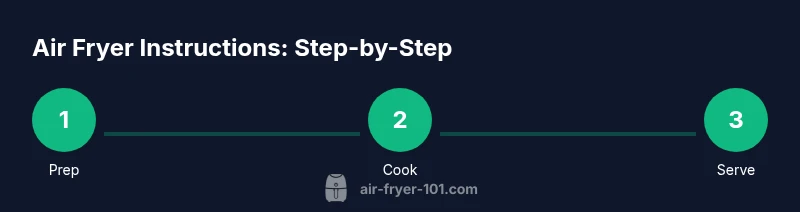
Begin with prep: pat foods dry, cut into uniform sizes, and season as desired. If your model requires preheating, run the basket empty for a few minutes before adding food. Line the basket with parchment or a liner to catch drips, but ensure there are holes or perforations for air flow. Place food in a single layer with space between pieces to maximize contact with the hot air. Set a target temperature and time based on the food type, then start the cook and monitor progress. Halfway through, shake or flip the items to promote even browning and avoid greasy patches. When the timer ends, check doneness with a thermometer for proteins, and let rest a minute before serving. After you finish, unplug the unit and clean the basket promptly to prevent residue buildup. Pro tip: avoid overfilling—air needs space to circulate for crisp results.
Common mistakes and how to fix them
Common missteps include overcrowding the basket, not patting foods dry, and skipping preheating on models that require it. Overcrowding blocks hot air and leads to soggy, uneven browning. Dry surfaces ensure better browning and flavor adhesion. If items refuse to crisp, try a higher temperature for a shorter initial period, then reduce the cook time in subsequent batches. Another frequent issue is under-seasoning; a light salt, pepper, and spice rub can dramatically improve taste without extra oil. Finally, if your air fryer smokes, check for grease buildup and reduce added fats. Regularly cleaning the basket and interior surfaces helps maintain performance and prevents off flavors.
Cleaning and maintenance after cooking
Let the basket cool completely before cleaning. Wash the basket and tray with warm, soapy water or place them in the dishwasher if dishwasher-safe. Avoid abrasive scrubbers that could scratch nonstick coatings; a soft sponge works best. Wipe the exterior with a damp cloth and dry thoroughly. To prevent odor transfer between uses, dry the interior and consider a quick wipe-down after each load. Periodically inspect the seals and power cord for wear, and replace parts per the manufacturer’s guidance. With routine care, your air fryer will deliver consistent results for years.
Recipe-ready quick-start picks
Here are a few reliable starters you can try this weekend. Crispy garlic fries: 12–18 minutes at 380–400°F (193–205°C) in a single layer, with light spray of oil and a quick shake halfway. Chicken tenders: 10–12 minutes at 400°F (205°C), flipping once. Roasted vegetables: 8–12 minutes at 375–400°F (190–205°C), tossing halfway. Salmon fillets: 8–10 minutes at 400°F (205°C), checking internal temp. Use these templates to build your own family favorites and adjust based on batch size and model.
Adapting instructions to different models and capacities
Equipment differences matter. Smaller baskets require shorter cooking times and more frequent checks, while larger models can handle bigger batches at the same settings with occasional rearrangement. If your model lacks a preheat function, extend cook time by 1–2 minutes and verify doneness with a thermometer. Some models have tighter temperature tolerances; keep notes on what settings work best with your unit and reuse them for similar meals. When in doubt, consult the manufacturer’s manual and Air Fryer 101’s model-agnostic guidelines to refine your approach.
Tools & Materials
- Air fryer(Choose a capacity that fits your family; common sizes range 2-6 quarts.)
- Parchment paper or silicone liners (air fryer safe)(Use perforated liners to maintain airflow; avoid blocking vents.)
- Tongs or silicone spatula(For turning pieces without tearing batter.)
- Cooling rack or multi-level insert(Helps cook in a single layer if you have a large batch.)
- Instant-read thermometer(Check internal temperature for protein safety.)
- Oil spray or light oil(A light coating aids crispness—use sparingly.)
- Silicone brush(Useful for applying marinades or oils evenly.)
- Heat-resistant gloves(Protect hands when handling hot baskets.)
Steps
Estimated time: 20-45 minutes
- 1
Prepare ingredients and gather supplies
Collect all ingredients, pat dry surfaces, cut into uniform sizes, and season as desired. Lay out tools and liners so everything is within reach before you start the timer.
Tip: Lay out everything on the counter before turning on the device. - 2
Preheat and line the basket
If your model requires preheating, run the basket empty for 2–3 minutes. Line the basket with parchment or a liner to catch drips without blocking air holes.
Tip: Perforated parchment helps maintain airflow while reducing mess. - 3
Arrange food in a single layer
Spread items in a single layer with space between pieces to maximize air contact. Do not stack; overcrowding leads to soggy spots.
Tip: Use a rack or multiple batches for larger amounts. - 4
Set temperature and start
Choose a reasonable starting temperature based on the food type and start the cook. Shorter times with check-ins reduce overcooking.
Tip: Always judge by doneness, not just time. - 5
Shake or flip halfway
Open the basket and shake or flip the pieces to promote even browning. This is especially important for fries or bite-sized proteins.
Tip: Use tongs or a spatula to avoid tearing breading. - 6
Check doneness and rest
Verify internal temperature for proteins and allow a brief rest before serving. If needed, return to the basket for a brief extra cook.
Tip: Resting helps juices redistribute and improves texture.
Got Questions?
What are the essential steps included in air fryer instructions?
Key steps include prep, preheating, arranging food in a single layer, cooking at the right temperature and time, shaking or flipping, checking doneness, and safety checks.
Key steps include prep, preheating, single-layer cooking, and doneness checks.
Can I cook frozen foods with air fryer instructions?
Yes. Many frozen items are pre-seasoned and can be cooked straight from the freezer using guidelines; adjust time slightly and avoid overcrowding.
Frozen foods can be cooked; increase time slightly.
Is preheating necessary?
Preheating is model-dependent. If your unit's manual recommends it, do it; otherwise start cooking from cold with a slightly longer time.
Preheating depends on your model.
How do I prevent sticking and soggy results?
Use parchment liners or a light oil spray, pat foods dry, and avoid overcrowding; shake or flip halfway to promote air contact.
Use liners, pat dry, don't overcrowd.
How do I clean and maintain my air fryer after cooking?
Let the basket cool, wash with warm soapy water, avoid abrasive scrubbers, and wipe the exterior; dry completely before reuse.
Let it cool, wash, dry.
What safety checks should I perform after cooking?
Inspect for smoke or unusual odors, check internal temperatures for safety, and ensure the cord and plug are intact before storage.
Look for smoke, check temps.
Watch Video
Quick Summary
- Cook with a single layer for even browning
- Preheat when your model requires it
- Check doneness with a thermometer for proteins
- Shake or flip halfway for crispness
- Clean promptly after cooking to prevent residue