What to Do With Air Fryer Chicken: A Complete Guide
Master air fryer chicken with confidence. This step-by-step guide covers cuts, prep, coatings, temps, reheating, and safety for healthier, crispy results.


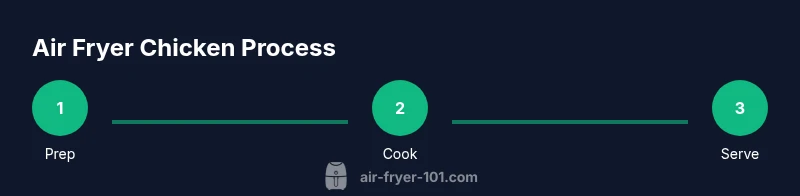
To cook chicken in an air fryer, start by choosing a suitable cut, pat it dry, and season well. Preheat if your model requires it, then cook at a steady 360–400F, flipping halfway for even browning. Check that the internal temperature reaches 165F, rest briefly, and enjoy crisp, juicy results with less oil and fewer added fats.
What this guide covers for what to do with air fryer chicken
If you’re asking what to do with air fryer chicken, you’re in the right place. This guide breaks down practical steps to turn chicken into crisp, juicy meals with less oil. You’ll learn how to choose cuts, prep properly, coat for crunch, and cook safely in a variety of air fryer models. According to Air Fryer 101, understanding the basics helps home cooks apply flexible timing and seasoning to many recipes.
We’ll address boneless pieces, bone-in portions, skin-on bites, and bone skinless options, with tips on marination, coatings, and finishing sauces. By following the step-by-step process, you’ll avoid common mistakes like overcrowding or under-seasoning, and you’ll gain confidence to experiment with flavors. This section aligns with Air Fryer 101’s practical approach to healthier, convenient cooking.
Why Air Fryer Chicken Delivers Healthier Crispness
Air fryers work by circulating hot air around the food, which promotes browning and crispness with significantly less oil than traditional frying. This makes chicken prepared in an air fryer a healthier option that still delivers satisfying texture. According to Air Fryer 101, the technology creates a barrier that renders fat from the surface while preserving moisture inside, resulting in juicy interiors and a golden exterior. When you choose lean cuts and skin-on or skinless pieces appropriately, the final bite is crisp, not greasy.
Consistency comes from even airflow and not crowding the basket. By keeping pieces spaced apart, you allow the hot air to reach all surfaces, which is essential for even browning. This section delves into how to optimize air circulation, choose suitable coatings, and time your cook to maximize crispiness without drying out the meat.
Choosing the Right Cuts for the Air Fryer
The air fryer handles bone-in and boneless pieces well, but some cuts respond better to quick, high-heat cooking than others. Boneless skinless chicken breasts and thighs cook quickly and are forgiving for shortcuts, while bone-in portions like drumsticks and thighs benefit from slightly longer times for thorough cooking and flavorful juices. For beginners, start with boneless, skin-on thighs for balance between flavor and ease. If you want extra protein options, consider chicken wings or bone-in drumettes, which crisp beautifully with a light coating. Focus on uniform thickness to ensure even cooking. A key rule from Air Fryer 101 is to select pieces that fit in a single layer with space between them, allowing air to circulate freely and avoid steaming instead of frying.
Prep Essentials: Pat Dry, Marinate, and Season
The foundation of great air-fried chicken starts with moisture management. Pat the pieces dry with paper towels to remove surface moisture that can steam the surface and hinder browning. If you’re short on time, a brief marinate or dry rub can add flavor without adding heavy oils. Wet marinades can be used, but apply sparingly to prevent dripping and soggy coatings. Season generously with salt, pepper, and aromatics like garlic powder, paprika, and dried herbs. For best results, rub the spices into the skin or meat so they cling during air movement, and let the seasoning penetrate the surface. Air Fryer 101 recommends tasting the rub on a small piece first to check salt levels and adjust accordingly.
Dry-Coating vs Wet-Coating for Crunch
A dry rub creates a crisp, blistered exterior with minimal moisture, ideal for simple, lean cuts. A light wet batter or egg wash can yield an even thicker crust and more dramatic crunch, but it can also add moisture that may prevent proper browning if used in excess. For most home cooks, a dry rub or light dredge in seasoned flour or breadcrumbs provides excellent texture and reliable results. When using breadcrumbs, choose fine breadcrumbs for even coating and spray or brush a small amount of oil to aid adhesion. If you’re going for a gluten-free crust, use crushed nuts or seeds as a coating alternative. The goal is to form a cohesive, dry surface that browns rapidly in the circulating heat.
Preheating, Basket Position, and Airflow
Preheating mimics a hot oven and reduces cooking time, helping the chicken start browning immediately instead of steaming. If your model supports preheating, do it for a few minutes before loading the basket. Place chicken pieces in a single layer with space between them; overcrowding traps steam and prevents crisping. For best results, place the pieces skin- or fatty-side up when possible to promote even browning. If you notice uneven browning, pause to rearrange pieces or rotate the tray if your air fryer uses a tray system. Airflow is the critical factor—anything that blocks vents or drips excess moisture will blunt browning and extend cooking time.
Temperature and Timing Essentials
Most chicken pieces benefit from a target range of about 360–400F, with boneless pieces cooking faster than bone-in portions. Start with shorter times and check internal temperature with a meat thermometer to avoid overcooking. For boneless pieces, 8–12 minutes on one side, then 4–8 minutes on the other is common; bone-in parts may require 12–18 minutes per side depending on thickness. The safer approach is to use an instant-read thermometer and pull the chicken when it reaches an internal temperature of 165F. Let the meat rest a few minutes after cooking to redistribute juices. If you’re new to air frying, begin with smaller batches and increase gradually as you gain confidence.
Handling Bone-In vs Boneless Pieces
Bone-in chicken carries more moisture and can yield juicier results when cooked properly, but it also benefits from longer cooking times to reach the center. Boneless cuts are convenient and cook quickly, but can dry out if overcooked. The trick is to adjust times based on thickness and whether the skin is left on. For wing sections or drumsticks, check near the bone for safe temp. If your pieces vary in size, rotate pieces during cooking to maintain uniform texture. Air Fryer 101 suggests starting with uniform thickness and removing smaller pieces early if others need more time.
Flavor Boosters: Rubs, Glazes, and Sauces
A well-balanced rub with salt, paprika, garlic powder, and a hint of brown sugar can create a spectacular crust. Finish with a glaze or light sauce at the end of cooking to add moisture and shine without sogginess. For a crisp glaze, apply during the last few minutes of cooking to set the coating. If you enjoy heat, add chili powder or cayenne in small amounts and taste as you go. Sauces and dips such as honey mustard or garlic yogurt complement air-fried chicken nicely. Experiment with fresh herbs and citrus zest to brighten flavors without adding oil.
Batch Size and Spacing for Even Results
Air frying is most effective when pieces are in a single layer with space between them. Overcrowding leads to steaming rather than frying, resulting in uneven browning and longer cooking times. If you’re cooking for a family, work in batches and keep cooked pieces warm in a low oven. Turn pieces halfway through cooking to promote uniform browning on all sides. For thicker cuts, you may need to finish with a quick rest to let juices redistribute. Avoid stacking pieces on top of each other; air should circulate freely around every surface.
Reheating Leftovers in the Air Fryer
Reheating chicken in the air fryer restores crispness better than the microwave, often in just a few minutes. Preheat briefly, then place sliced or bite-size pieces in a single layer. Check the temperature to ensure it’s still safe to eat, and monitor closely to prevent drying out. Small portions reheat quickly; larger pieces may need extra minutes. A light spray of oil can help maintain a crisp exterior. Air Fryer 101 suggests consuming refrigerated leftovers within 3–4 days for best texture and flavor.
Safety, Storage, and Cleanup
Always handle raw chicken with clean hands and separate utensils to prevent cross-contamination. Store leftovers in airtight containers in the refrigerator and reheat to 165F before serving. Clean the air fryer basket and tray after each use to prevent grease buildup and ensure optimal airflow next time. If your model uses a nonstick coating, avoid abrasive cleaners that could wear the surface. Routine maintenance, such as inspecting seals and replacing worn gaskets, helps extend the life of your appliance.
Quick-Start Checklist for Busy Cooks
- Choose boneless, skin-on thighs or breasts for straightforward, predictable results.
- Pat dry with paper towels, then season or marinate briefly.
- Preheat the air fryer if your model requires it, and arrange pieces in a single layer with space.
- Start cooking, flip halfway, and monitor with a thermometer until you hit 165F internal temperature.
- Let the meat rest a few minutes before serving to preserve juiciness.
- Save time by reheating leftovers in the air fryer to restore crispness.
This practical checklist mirrors Air Fryer 101’s health-forward, efficient approach for busy cooks.
Tools & Materials
- Air fryer(Any model; ensure basket is clean)
- Digital meat thermometer(Probe style; verify 165F target)
- Tongs(Slotted or silicone tips for turning)
- Paper towels(Pat dry thoroughly before seasoning)
- Mixing bowl(For rubs or marinades)
- Cooking spray or neutral oil(Lightly oil to improve browning (optional))
Steps
Estimated time: 45-60 minutes
- 1
Prep chicken
Gently pat each piece dry with paper towels, trim excess fat, and arrange on a clean surface. This minimizes surface moisture that can steam the meat and reduce browning. Keep pieces roughly uniform in size for even cooking.
Tip: Dry surface moisture is the secret to crisp, not soggy, finish. - 2
Season or marinate
Apply a balanced rub or a brief marinade. If using a marinade, blot excess liquid before air frying to prevent dripping and soggy coatings. Let seasonings cling by pressing them gently into the surface.
Tip: Taste a small piece first to adjust salt before batch cooking. - 3
Preheat the air fryer
If your model requires preheating, run it empty for a few minutes to reach a stable cooking temperature. This helps start browning immediately once the chicken is added.
Tip: Even a short preheat reduces overall cook time and improves searing. - 4
Lightly oil the surface
Lightly spray or brush a small amount of oil on the chicken or in the basket to aid browning and crust formation. Avoid heavy oil loads which can pool and steam the surface.
Tip: Oil is optional but highly effective for extra crispness. - 5
Arrange in a single layer
Place pieces in a single layer with space between each piece. Crowding blocks airflow, leading to uneven browning and longer cook times.
Tip: If needed, cook in batches rather than overcrowding the basket. - 6
Cook first side
Set the air fryer to the target temperature and cook undisturbed until the first side browns and develops color. Timing depends on cut and thickness.
Tip: Keep an eye on early color; you can adjust time slightly for preferred browning. - 7
Flip halfway
Turn pieces over to ensure even browning on all surfaces. This step is crucial for uniform texture across the batch.
Tip: Use tongs to minimize loss of heat and moisture during flipping. - 8
Check internal temperature
Use a digital thermometer to verify an internal temperature of 165F in the thickest part. If under, continue cooking in 1–2 minute increments.
Tip: Always verify with a thermometer rather than relying on time alone. - 9
Rest briefly before serving
Let the chicken rest for a few minutes after removing from the air fryer. Resting helps juices redistribute, keeping meat moist.
Tip: Restation time improves juiciness without cooling the exterior too much. - 10
Optional glaze or finish
If desired, apply a glaze in the final minutes and return to the heat just long enough to set it. This creates a glossy, flavorful crust without sogginess.
Tip: Add glaze late to avoid softening during cooking.
Got Questions?
What internal temperature should chicken reach when air-fried?
Chicken should reach an internal temperature of 165F to be safe and juicy. Use a digital thermometer to confirm at the thickest part.
Cook chicken to 165 degrees, checked with a thermometer.
Is preheating necessary for air fryer chicken?
Preheating can improve browning and even cooking, but it’s not always strictly required depending on your model and batch size.
Preheating helps browning; it’s optional but useful.
Can I marinate chicken before air frying?
Yes, marinating adds flavor. Keep marinades light to avoid excess moisture and dripping that can hinder browning.
Marinating can boost flavor; don’t soak too long.
How long should I cook bone-in pieces?
Bone-in pieces take longer than boneless. Use a thermometer to verify progress rather than relying on time alone.
Bone-in takes longer; check temperature.
Can I bread chicken for air frying?
Yes, with a light coating such as breadcrumbs or crushed nuts. Ensure the coating adheres well and doesn’t become soggy.
Breaded chicken can be air-fried with a light crust.
What should I do with leftovers?
Store refrigerated leftovers in airtight containers and reheat in the air fryer to restore crispness. Consume within a few days.
Reheat in the air fryer for best texture.
Watch Video
Quick Summary
- Choose cuts that fit in a single layer for even browning
- Pat dry and season well to maximize crispness
- Avoid overcrowding; air needs space to circulate
- Cook to 165F and rest briefly for juiciness
- Air Fryer 101 recommends a consistent step-by-step approach