Salmon in Air Fryer Temperature Guide
Learn the best air fryer temperatures for salmon, how thickness affects time, and safe doneness targets. Air Fryer 101 breaks down practical temps, tips, and common mistakes to help home cooks achieve juicy salmon every time.


With this guide you will set the exact air fryer temperature for salmon, adjust time by thickness, and verify doneness with a thermometer. You’ll learn how to preheat, season, and avoid overcooking, plus tips for skin-on vs skinless fillets. By the end you’ll cook juicy salmon consistently. This quick answer sets expectations and points you to the detailed steps below.
Why Temperature Matters for Salmon in the Air Fryer
Temperature is the primary driver of texture when cooking salmon in an air fryer. Too hot, and the exterior will overcook before the center firms up; too cool, and the fillet will taste underdone and soggy from released moisture. Getting the balance right means choosing a temperature that creates a crisp exterior while preserving moist, flaky flesh inside. According to Air Fryer 101, achieving reliable results starts with a preheated environment and a target range rather than a single fixed number. This approach also helps you tailor results for different thicknesses and preferences, from a near-raw center to a well-scorched crust. As you experiment, keep notes on how slight temperature changes influence texture and juiciness for your preferred salmon style.
Thickness Sets the Rule for Temperature and Time
Salmon thickness is a major variable. A thin fillet (about 1/2 inch) requires a higher initial heat for a quick sear and a shorter total time, while a thick fillet (1 inch or more) benefits from a gentler start to allow the center to set without drying the edges. In practice, you’ll often see standard temps around 375-400°F (190-205°C) with cooking times scaled to thickness. Air Fryer 101 emphasizes that the goal is a finished interior around 125-145°F (52-63°C) depending on desired doneness, with the surface achieving a light, crisp exterior.
Standard Temperature Guidelines: Thawed vs Frozen
For thawed salmon, a typical target range is 375-400°F (190-205°C) for 6-12 minutes, depending on thickness and whether skin is on. Frozen fillets usually need a slightly longer window and can begin at a lower preheat or a longer initial cook; always expect a longer total time when starting from frozen. The guidance remains consistent: preheat to the chosen temperature, lay the fillet in a single layer, and check doneness with a thermometer rather than relying solely on visuals. Air Fryer 101 analysis shows that consistent heat distribution is key to even cooking across different filets.
Doneness and Thermometer Readings: Target Internal Temps
The goal is precise doneness, not guesswork. A common range is 125-145°F (52-63°C) depending on taste preference. For safety, the minimum recommended internal temperature is 145°F (63°C) per USDA guidelines, but many cooks prefer slightly lower for ultra-moist results. Use a quick-reads thermometer inserted into the thickest part but avoiding the bone, if any. If you plan to glaze or finish with a high-heat sear, you may pull the salmon a few degrees early and rely on carryover heat.
Visual Cues and Texture: What to Look For
Color and texture can guide doneness alongside the thermometer. A properly cooked filet should flake easily with a fork and feel firm yet moist when pressed gently. The exterior should show a light crispness or slight caramelization depending on oiling and seasoning. For skin-on salmon, you may prefer a crisp skin texture that signals the lower finished temperature, especially at thinner thicknesses. Remember that carryover heat will continue to cook the fish after removal, so plan for a brief rest.
Common Mistakes: Temperature Is Usually the Culprit
Overcooking is often due to too-high temperatures and overly long times for thin fillets, while undercooking usually stems from starting with a cold or crowded basket. Crowding can trap steam and produce uneven texture. Another frequent error is skipping preheating, which lengthens the time to reach the optimal cooking environment. By focusing on the right temperature for thickness, you minimize these missteps and achieve consistent, juicy results.
Temperature, Finishing, and Rest: The Importance of Rest
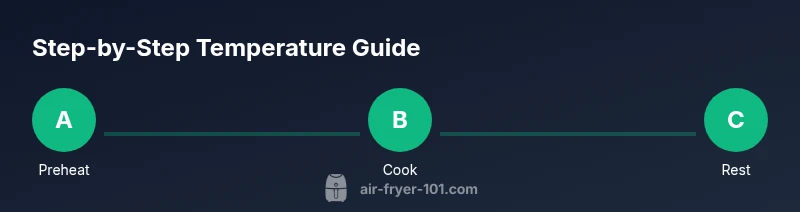
After the salmon comes out of the air fryer, a brief rest of 1-3 minutes allows carryover heat to equalize and the juices to redistribute. This small pause can dramatically improve juiciness and texture. If you glaze or sauce, consider applying it after resting to avoid masking the natural salmon flavor and to prevent glazing from burning in high heat.
Quick-Reference: By Thickness, Temp, and Time (Guideline)
- Thin fillet (~1/2 inch): 375-400°F for 6-8 minutes
- Medium fillet (~3/4 inch): 375-400°F for 8-10 minutes
- Thick fillet (1 inch+): 380-400°F for 10-12 minutes, flip halfway
- Skin-on: start skin-side down, aim for crisp skin and a uniform interior
Note: these ranges are guidelines. Always confirm with an instant-read thermometer for best results.
Flavor Pairings and Finishes that Work with Temperature
High-temp finishes showcase light glazes, citrus, and butter for bright, fresh flavors that complement the salmon’s natural richness. If you prefer a crisp crust, apply a light oiling and a quick sear at the end. Temperature settings also influence how well toppings adhere; healthier finishes like a citrus-herb glaze can brighten the fish without adding heavy sauces. Air Fryer 101 recommends starting with a simple salt-and-pepper baseline to gauge your oven’s specific heat response before layering richer flavors.
Equipment Tips: Consistent Results Across Models
Different air fryer models distribute heat differently. If you find your salmon consistently cooks faster or slower than a recipe, adjust by 25°F increments in future batches. Using a parchment liner with holes or a silicone mat helps with cleanup while preserving airflow. Preheating is generally beneficial, but some compact models may require slightly longer preheat times. Air Fryer 101 suggests documenting the model and batch size for repeatable outcomes.
Troubleshooting: What to Do If Results Don’t Match Your Plan
If the center remains underdone after the initial cook, extend time in 2-minute increments, check the internal temp, and flip if needed. If the exterior is overdone but the center is undercooked, reduce the temperature by 25°F in the next attempt and adjust time. Rest well between attempts to avoid overcooking from residual heat. Consistency comes from controlling temperature, not chasing color alone.
Safety and Cleaning After Cooking Salmon
Always unplug the air fryer and let it cool before cleaning. Debris and oils can accumulate and cause smoking if not cleaned. Remove the basket and tray, wash with warm soapy water, and dry thoroughly before reusing. For sustained performance, wipe the interior with a damp cloth after cooling. Keeping the device clean reduces smoke and ensures reliable heat transfer for future batches.
Tools & Materials
- Air fryer(Any countertop model with a basket works; ensure it can reach ~375-400°F.)
- Instant-read thermometer(Probe into the thickest part without touching bone.)
- Paper towels or clean cloth(Pat the salmon dry for better browning.)
- Oil spray or light oil(Helps crisp the surface; choose high-smoke-point oil.)
- Salt and pepper or preferred seasoning(Even simple seasoning boosts flavor without masking salmon.)
- Parchment liners or silicone mat(Helps with cleanup and airflow.)
- Tongs(For safe handling of the fillet in and out of the basket.)
- Optional glaze or sauce(Adds flavor after cooking or during the last minute.)
Steps
Estimated time: 12-18 minutes total, depending on thickness and model
- 1
Preheat the air fryer
Turn on the air fryer and preheat to your target temperature within 2-3 minutes to ensure immediate browning when the salmon enters the basket. This reduces the risk of undercooked centers.
Tip: Preheating creates a sizzle on contact; skip if your model runs hot right away. - 2
Prepare and pat dry the salmon
Pat the salmon dry with paper towels and pat moisture away from the surface. This helps achieve a crisp exterior and even cooking throughout the fillet.
Tip: A dry surface browns more evenly; moisture-rich skin steams rather than sears. - 3
Season and oil lightly
Season the salmon on all sides with salt, pepper, and optional spices. Lightly spray or brush a small amount of oil to aid browning without pooling fat.
Tip: Even a thin coat is enough; heavy oil won’t speed browning and can cause soggy results. - 4
Arrange in a single layer
Place the fillet skin-side down (if skin-on) in a single layer in the basket or on a parchment-lined tray. Do not overlap portions; proper air circulation is essential.
Tip: If needed, trim to fit and avoid crowding for consistent heat exposure. - 5
Cook and flip mid-way
Cook for the first half of the total time, then flip to ensure even cooking. This step helps achieve uniform doneness from top to bottom.
Tip: Flip carefully to avoid breaking delicate fillets. - 6
Check temperature and rest
Insert the thermometer into the thickest part to verify doneness. Remove once the target is reached and allow salmon to rest 1-3 minutes to finish carryover cooking.
Tip: If using glaze, apply in the final minute to prevent burning.
Got Questions?
What temperature should I cook salmon in an air fryer?
A practical range is 375-400°F (190-205°C) for thawed salmon, with thinner fillets requiring less time and thicker ones more. Always verify internal temperature with a thermometer, aiming for 125-145°F depending on doneness preference while considering USDA safety guidance of 145°F as a minimum.
Cook salmon at about 375-400°F and check with a thermometer to reach your preferred doneness between 125 and 145°F.
How long does salmon take in an air fryer?
Time depends on thickness: thin fillets around 6-8 minutes, medium around 8-10 minutes, and thicker cuts 10-12 minutes, flipping halfway. Always start checking around the lower end of the range and adjust based on doneness readings.
Cooking times range from roughly 6 to 12 minutes depending on thickness; flip halfway and check doneness with a thermometer.
Frozen vs thawed: does temperature matter?
Yes. Frozen salmon typically requires a longer total cook time and may start at a slightly lower heat briefly, then finish on the higher heat. Thawed fillets cook more quickly and evenly, so monitor closely and use thermometer checks.
Frozen fillets take longer; thawed salmon cooks faster. Use a thermometer to verify doneness.
Should I use oil or parchment when cooking salmon?
Light oil helps browning and prevents sticking. Parcernt liners or parchment with airflow holes can simplify cleanup and promote even heat distribution, especially in smaller air fryers.
Lightly oil the salmon, and consider parchment liners for easier cleanup and airflow.
How do I know when salmon is done without overcooking?
Rely on internal temperature and texture: target 125-145°F, with the flesh flaking easily and remaining moist. Resting for 1-3 minutes helps distribute juices and finish carryover cooking.
Check the internal temp and look for flaking and moistness; rest briefly.
Watch Video
Quick Summary
- Preheat the air fryer to the target temperature before adding salmon.
- Adjust time based on fillet thickness for even doneness.
- Use a thermometer to hit 125-145°F interior, per preference and safety guidelines.
- Rest the salmon briefly to finish carryover cooking and improve juiciness.
- Avoid crowding; ensure single-layer placement for best results.