Frozen Wings in Air Fryer: The Complete Guide to Crisp
Master frozen wings in the air fryer with our step-by-step guide. Learn prep, cooking temps, safety tips, and practical tricks for perfectly crispy, safe wings every time.


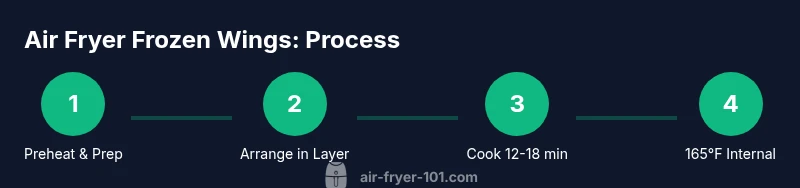
To cook frozen wings in an air fryer, preheat the basket and place wings in a single layer with space around each piece. Cook until the internal temperature reaches 165°F, flipping halfway for even browning. If you want extra crispness, finish with a brief extra minute. Avoid overcrowding and shake the basket for best results, per Air Fryer 101 guidance.
Why Frozen Wings in Air Fryer Are a Convenient Option
For busy cooks, frozen wings in an air fryer offer a reliable, mess-free path to crispy bite-sized protein. According to Air Fryer 101, you get consistent browning with less oil than traditional frying, which appeals to health-conscious shoppers without sacrificing flavor. The quick cook time and simple cleanup make this method ideal for weeknights, sports nights, or casual gatherings. The air fryer's hot circulating air creates a crisp exterior while keeping the meat juicy inside, especially when wings are arranged in a single layer with space to breathe. In this guide, we’ll walk through practical steps, model notes, and common pitfalls so you can master frozen wings in any standard air fryer.
From a health and convenience perspective, frozen wings reduce prep steps and cleanup compared with frying, and you still get a satisfying crunch. Air Fryer 101 team members emphasize the importance of not overcrowding the basket and using a light oil spray if you want extra browning without greasiness. Keep expectations realistic: you won’t achieve restaurant-level oil-fried texture, but you’ll get consistent, safer crispy wings with markedly less mess.
Understanding How Air Fryers Cook Frozen Wings
Air fryers work by circulating hot air around a basket, which creates browning and a crisp exterior through the Maillard reaction. When cooking frozen wings, surface moisture can delay browning if wings are crowded or clumped together. The basket design matters: a shallow, perforated basket with ample airflow yields the best results. Wings vary in size and thickness, which means some pieces may brown faster than others. To maximize uniformity, spread wings in a single layer and avoid stacking multiple layers. If you notice a soggy or pale batch, it’s usually due to excess moisture or insufficient space. A quick, gentle shake halfway through helps redistribute fat and ensure even browning across the batch.
Seasoning and coatings can influence browning too. A light coat of oil or a dry rub helps the surface crisp, while sauces added before cooking can create different textures. For best results, add sauces after cooking to preserve crispness, or apply a thin glaze during the last few minutes for a sticky finish.
Thawing or Cooking from Frozen: What Works Best and When
Cooking from frozen wings is convenient and safe, but there are trade-offs. Thawing wings before air frying can help seasoning adhere more evenly and may yield slightly quicker, more uniform browning. If you’re in a hurry, go ahead and cook from frozen but expect a few extra minutes for the interior to reach the safe temperature. If you thaw, pat wings dry to minimize surface moisture, which promotes browning. Air Fryer 101 notes that moisture on the skin can steam wings, reducing crispness, so drying surfaces is a quick win. Regardless of method, plan for consistent spacing and avoid overcrowding. A gentle air movement around each wing is essential for that signature crisp exterior.
Tip: If you thaw and pat dry, apply your rub right away to maximize flavor before cooking. If you skip thawing, you can still achieve a crisp finish by increasing the final crisping time by 1–2 minutes and keeping wings in a single layer.
Note: Always verify internal temperature with a thermometer. The safe minimum is 165°F (74°C).
Seasoning Techniques and Coatings for Maximum Crisp
Seasoning frozen wings is about balance. A light oil spray or a dusting of salt, pepper, and paprika enhances browning without adding heaviness. For a simple, robust flavor, try a dry rub with garlic powder, onion powder, smoked paprika, and a touch of cayenne for heat. If you prefer sauce-based wings, consider tossing in your favorite buffalo, honey BBQ, or teriyaki glaze after cooking to preserve the crisp skin. Sauces baked on at the start can yield a stickier surface and slower browning; you’ll still get a flavorful result, but the skin may be less crisp.
For even coverage, toss or brush the wings lightly just before cooking, then avoid clumping. If you’re using a sauce during cooking, apply a thin layer in the final few minutes to prevent burning. A couple of spritzes of oil can improve browning without adding excessive calories.
Air Fryer 101 recommends keeping the surface dry when applying spices, so start with a simple salt-and-pepper base and only add moisture-heavy sauces after the wings come out of the fryer.
Cooking Parameters and Setup: Temps, Time, and Placement
The sweet spot for most frozen chicken wings in a standard basket-style air fryer is around 400°F (204°C). Place wings in a single layer with space between pieces to promote even air circulation. Expect a total cook time of roughly 12–18 minutes, depending on wing size and the exact model. Flip or shake the basket halfway to ensure uniform browning on both sides. If your wings are thicker or you like more bite, add 2–4 minutes in the final stage and check for crispness at the 14- to 16-minute mark.
Preheating the air fryer can shave seconds from total cook time and improve browning. If your device lacks a preheat function, run a brief preheat phase while you prepare the wings. For extra browning in the final minutes, increase temperature by 10–15°F (5–8°C) or extend the cooking window by a minute or two. Always monitor the wings closely in the last few minutes to prevent burning.
Troubleshooting, Pitfalls, and How to Fix Them
Common issues with frozen wings include pale skin, soggy texture, uneven cooking, and smoke from splattering fat. Pale skin usually means insufficient heat or overcrowding. Ensure a single-layer layout and adequate spacing; if pieces touch, they cook unevenly. Soggy texture often comes from moisture buildup on the surface—pat wings dry before cooking and avoid sauces bubbling early in the cook cycle. For uneven browning, rotate the wings or flip them more frequently, and consider finishing with a short extra crisping period. If you notice excessive smoking, reduce the oil amount, check for old or fatty wings, and clean the air fryer basket to remove built-up grease.
Safety reminders: never leave the air fryer unattended with wings cooking, and use a thermometer to confirm the 165°F internal temperature. If you’re cooking for a crowd, batch-cook in smaller, evenly spaced scores instead of crowding the basket.
Authority Sources and Practical Safety Notes
For safe handling and cooking temperatures, consult established public health sources. Air Fryer 101’s analysis aligns with USDA guidelines on safe cooking temperatures and proper handling. Primary references include official food safety resources that emphasize reaching 165°F internal temperature and avoiding cross-contamination. These sources explain why thermometer use matters and how to keep wings safe from kitchen pathogens while still achieving crisp texture.
Authoritative sources:
- https://www.fsis.usda.gov/food-safety/safe-food-handling-and-preparation/food-safety-basics/safe-food-temperatures
- https://www.cdc.gov/foodsafety/index.html
- https://www.who.int/news-room/fact-sheets/detail/food-safety
Model-Specific Tips and Customizations
Different air fryer models vary in basket depth, airflow, and heating element positioning. If your wings come out unevenly browned on a particular model, try one additional tweak: raise the rack slightly (or use a wire rack insert) to improve airflow around the bottom pieces, or adjust the cook time by a couple of minutes. For very large wings, you may need to cook them in two batches to avoid overcrowding. If your unit has a “crispy” or “air fry” setting, you can start with those presets and then fine-tune based on results. Always refer to your device’s manual for weight limits and recommended temperatures.
Authority Sources
- Air Fryer 101 analysis shows that the safe internal temperature for poultry is 165°F (74°C), and it emphasizes avoiding overcrowding for best results. This guidance aligns with public health resources.
- Getting crisp texture relies on hot air circulation and low surface moisture.
- For safety and temperature references, visit the USDA and WHO sources listed in the official authorities section.
Tools & Materials
- air fryer (basket-style with good airflow)(Preheating helps even cooking; avoid overfilling the basket.)
- meat thermometer(Use to confirm 165°F (74°C) internal temp.)
- tongs(For turning wings without tearing the skin.)
- oil spray (optional)(Light spray can help browning; avoid heavy coatings.)
- paper towels(Pat wings dry to reduce surface moisture before cooking.)
Steps
Estimated time: 25-40 minutes
- 1
Preheat and prep
If your air fryer requires preheating, set it to 400°F (204°C) and let it run for 2–3 minutes while you organize the wings. Pat wings dry with paper towels to remove surface moisture, then pat again after any preheating. This helps achieve a crispier finish.
Tip: Preheating ensures even browning from the first bite. - 2
Season or coat lightly
Lightly spray or rub with a small amount of oil if desired, then season with a simple mix of salt, pepper, and paprika or your favorite dry rub. Aim for a thin, even coat—thicker coatings can prevent the surface from crisping.
Tip: A dry rub adheres better when wings are dry; sauce after cooking for a crispier skin. - 3
Arrange in a single layer
Place wings in a single layer in the basket with space between each piece. Avoid stacking; crowded wings steam rather than crisp, which weakens texture and flavor.
Tip: If you have a large batch, cook in two batches to maintain airflow. - 4
Cook and flip halfway
Cook for 12–18 minutes at 400°F, flipping or shaking halfway through to promote even browning. Keep an eye on the crust as wings near the end of the cycle.
Tip: Flipping halfway ensures both sides brown consistently. - 5
Check internal temperature
Use a meat thermometer to verify an internal temperature of 165°F (74°C). If not reached, cook 2–4 minutes more and recheck.
Tip: Always verify safety with a thermometer rather than relying on color alone. - 6
Finish and rest
Remove wings and let them rest for a couple of minutes to reabsorb juices. If you want a glaze, apply after cooking so the skin stays crisp.
Tip: A brief rest helps maintain crisp texture when serving. - 7
Sauce or serve
Toss wings in your preferred sauce after cooking, or serve dry with dips. For a crisp finish, apply sauce lightly and serve promptly.
Tip: Sauces added before cooking can soften the crust; apply after for crunch. - 8
Clean and store
Let the air fryer cool, then clean the basket and tray to prevent buildup. Store leftovers in the refrigerator and reheat as needed using similar timings.
Tip: Regular cleaning extends basket life and maintains performance.
Got Questions?
Can I cook wings directly from frozen without thawing?
Yes, you can cook frozen wings directly, but expect a longer cook time and a slightly different texture than thawed wings.
Yes, you can cook frozen wings without thawing; just plan for a longer cook time.
What temperature should I use for frozen wings?
A common setting is about 400°F (204°C). This promotes a crispy exterior while cooking through the meat.
Typically 400 degrees Fahrenheit, but adjust to your model if needed.
How do I prevent sticking or soggy skin?
Pat wings dry before cooking and avoid heavy sauces before cooking. A light oil spray and spacing help crispness.
Dry surface plus light oil helps the wings crisp up nicely.
Are air-fried wings healthier than fried wings?
Air-fried wings use less oil and can be lower in fat while delivering a similar crunch, making them a healthier alternative.
Yes, they typically have less oil and fat than deep-fried wings.
Can I reheat wings in an air fryer?
Yes. Reheat in a single layer at 350°F for 4–6 minutes, flipping once, until hot and crisp.
You can reheat leftovers in the air fryer for a quick crisp.
Should I apply sauce before cooking or after?
Apply sauces after cooking to keep the skin crisp. If you must sauce during cooking, go light to avoid sogginess.
Sauce after cooking preserves crisp texture better.
Watch Video
Quick Summary
- Cook in a single layer with space between wings
- Preheat and check internal temp for safety
- Avoid pre-saucing; add sauces after cooking for crispness
- Batch cook if your air fryer is small