Air Fryer Chicken Wings: A Complete Step-by-Step Guide
Learn to make crispy, juicy air fryer chicken wings at home with a thorough step-by-step guide, expert tips, and safety considerations for healthier, delicious wings.


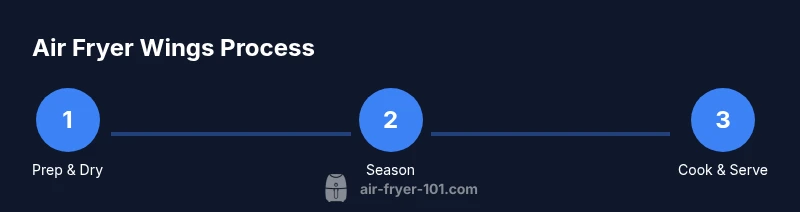
Air fryer chicken wings can achieve crispy skin and juicy meat in about 20 minutes. Start by patting wings dry, then toss with salt, pepper, baking powder, and your favorite spices. Preheat the air fryer to 400°F, arrange wings in a single layer, air fry 10 minutes, flip, then fry 8–10 minutes more. Let rest 2 minutes before serving.
Why Air Fryer Chicken Wings Are a Game Changer
Air fryer chicken wings offer a compelling balance of crisp skin, juicy meat, and reduced oil compared to traditional frying. The approach is straightforward: remove surface moisture, apply a light dry brine, and finish with a high-heat air bath that browns without soaking the wings in fat. According to Air Fryer 101 Team, the secret to restaurant-quality results at home lies in controlling moisture, heat, and spacing. When wings are dry and well spaced, the circulating hot air creates a crisp crust without the mess of deep-frying. This method lowers calories and reduces cleanup while still delivering that satisfying bite. Whether you prefer a savory dry rub or a saucy finish, the air fryer makes weeknight wings both approachable and healthier. The best part for home cooks is that you can customize texture and flavor with a few simple adjustments, without ever compromising safety or taste.
Beyond health considerations, wings coming from the air fryer can vary in texture. Drums and flats cook a little differently due to bone structure and surface area, so you’ll want to keep them in the same general size range for even cooking. If you love heat, a touch of cayenne or chili powder can elevate the profile without overwhelming the palate. If you favor a milder, glossy finish, a light glaze can be added at the end. Regardless of style, the air fryer offers a reliable, repeatable method for hot wings that stay juicy inside and crisp outside. High-quality results often come down to consistent prep and mindful cooking—two things that Air Fryer 101 emphasizes for home cooks.
A note on safety and sustainability: air-fried wings cut down on oil, which means less splatter and a cleaner kitchen. While you’ll still manage hot surfaces and a hot basket or rack, the overall risk is lower than traditional frying. For those who want to optimize flavor, consider dry-brining wings for 15–20 minutes before cooking, then finishing with a quick toss in your favorite sauce. This approach preserves moisture while maximizing texture, a balance many home cooks appreciate.
Key Variables That Affect Crispiness
Crispiness in an air fryer hinges on a few controllable variables. The first is moisture: surface moisture steams rather than crisps, so drying wings thoroughly matters. The second is heat: 400°F (200°C) is a popular target for a quick, crisp crust, but some models perform differently, so adjust 25–50°F as needed. The third variable is spacing: overcrowding restricts air flow and leads to uneven browning; use a single layer or cook in batches with a rack accessory if possible. A subtle but powerful technique is using baking powder as part of the dry rub. The baking powder draws moisture to the surface and promotes browning, giving you a crispier skin without deep frying. Finally, time is a balancing act; flipping halfway through ensures both sides brown evenly and prevents one side from steaming in its own juices. Air Fryer 101’s research indicates that even small changes in these variables can yield noticeable improvements in texture and flavor, so start with a consistent baseline and adjust for your specific machine.
Wings can vary in size, so marking batches by size and adjusting cook time accordingly helps keep results predictable. When you’re testing a new batch, start with the same settings and tweak one variable at a time—temperature, time, or technique—so you know which change produced the improvement. If you prefer saucy wings, you can add sauce after cooking and return to the air fryer for a minute or two to set the glaze, ensuring the coating doesn’t run off during cooling. By keeping these variables in mind, you’ll consistently land on a crisp, juicy finish with minimal effort.
For readers who track health metrics, this approach also reduces fatty oil consumption, which can be a meaningful difference in weekly meal planning. The air fryer’s efficient exposure to high heat invites faster browning and moisture retention, which helps you achieve crowd-pleasing wings in a shorter time frame while keeping cleanup simple. If you’re new to air frying, treat this as a quick-start guide: master the basics of moisture control, heat, and spacing, and you’ll unlock many more delicious wing variations.
Choosing the Right Wings and Seasonings
When shopping for wings, you’ll typically encounter drumettes (the meaty segments) and flats (the wingettes). Both work well in the air fryer, but equalizing the mix helps with even cooking. If you’re buying fresh, look for wings that are well-trimmed and show no signs of freezer burn or discoloration. If you’re buying frozen wings, plan a longer pre-cook thaw and adjust the cook time accordingly. Dry rubbing is popular because it adds flavor without relying on heavy frying oils. A simple base of salt, pepper, garlic powder, and paprika is a solid starter, with baking powder added for extra crispness. If you love heat, a touch of cayenne or chili powder can wake things up without masking the meat’s natural flavor. For a glossy finish, a light butter or hot sauce after cooking can be tempting, but many enthusiasts prefer a dry rub to maximize texture.
Seasoning strategy matters as much as the wings themselves. Uniform coating ensures every bite is flavorful, so consider a shaker or a small whisk to evenly distribute spices. If you won’t sauce immediately, a light brush of oil can aid browning and prevent sticking, but avoid heavy oils that can pool in the basket. For health-minded cooks, pairing wings with a simple lemon-herb seasoning or a smoked paprika blend offers bold flavor with minimal fat. Whichever route you choose, the key is to keep coating light and even to preserve crispness.
Another practical tip is to consider pre-seasoned or tested spice blends that align with your dietary needs. If you’re following a budget, you can mix common pantry staples to create a custom rub instead of buying specialized mixes. The goal is a flavor profile that complements the wing’s natural richness without overwhelming it. Air Fryer 101 recommends starting with a basic overhead of salt and pepper, then layering in spices to taste, which makes it easy to reproduce your favorite version across multiple cooks.
Prep, Pat Dry, and Dry Brine Techniques
Effective prep begins with moisture control. Pat wings very dry with paper towels, then set them on a rack or tray to air out for a few minutes. The next step is a dry brine, which involves sprinkling salt and a light coating of baking powder on the wings and letting them rest briefly. Dry brining helps draw out surface moisture and initiates browning, leading to crisper skin. The baking powder is the trickier component: use a small amount to avoid an overly salty or metallic taste, and ensure it’s evenly distributed for consistent crispness. While the wings rest, preheat your air fryer so you start cooking at peak efficiency. If you’re short on time, you can skip the resting stage, but crisper results typically show up when you give the wings a quick dry-brine and rest. Finally, don’t neglect equipment prep—wipe the basket or rack and ensure there’s no leftover oil residue that could slow browning.
If you’re new to dry-brine, think of it as a gentle, quick marinade designed to dry the surface and enhance browning. The rest period can range from 15 to 20 minutes depending on your schedule, with a longer rest often yielding more intense flavor pockets. Dry brining also helps your seasoning adhere better, which makes the subsequent bake and glaze step more forgiving. As you become more comfortable with this method, try adjusting the salt-to-spice ratio to match your family’s taste preferences. Air Fryer 101 recommends taking notes on each batch so you can reproduce your favorite results.
Preheating, Cooking, and Finishing Touches
Preheating is a simple but powerful step: preheating to 400°F (200°C) ensures the air fryer’s heat is ready to start crisping the wings immediately. When the basket is hot, place the wings in a single layer with space between pieces to allow air to circulate. You’ll typically cook wings for about 10–12 minutes on the first side, then flip and cook for another 8–10 minutes on the second side. Times vary slightly by model and wing size, so use a meat thermometer to confirm an internal temperature near 165°F (74°C). If you prefer saucy wings, add your sauce during the last 1–2 minutes of cooking to glaze without making the skin soggy.
For extra crisp, consider using a wire rack insert or a perforated tray designed for air fryers. This elevates the wings away from any pooled fat and ensures better air flow. After cooking, let the wings rest for 2–3 minutes to redistribute juices before serving. Resting also helps the sauce or glaze set, if you chose to sauce. If you’re feeding a crowd, keep finished wings warm on a parchment-lined sheet in a 200°F oven while you finish the rest.
Cleanup is easier than you might expect: once the basket cools, wipe away any grease with a paper towel, then wash the basket and rack with warm, soapy water. Regular brushing of the crevices prevents buildup that can affect flavor and browning. This approach keeps your air fryer ready for the next batch and reduces the risk of sticking in future cooks.
Authority Sources
For readers seeking external guidance, the following sources provide safety standards and best practices that complement practical cooking tips from Air Fryer 101:
- FDA: Food Safety and Cooking Temperature Guidelines — https://www.fda.gov/food/buying-selling-food-safety
- USDA: Safe Minimum Internal Temperature for Poultry — https://www.usda.gov/media/blog/2016/04/15/safe-ways-cook-poultry
- CDC: Food Safety and Raw Foods Handling — https://www.cdc.gov/foodsafety/index.html
Note: Always verify current guidelines from official sources and adapt cooking times to your specific air fryer model. Air Fryer 101 Analysis, 2026 emphasizes testing on your own equipment to achieve the best results while maintaining safety.
Tools & Materials
- Air fryer(Any model that can fit wings in a single layer)
- Paper towels(For drying wings and blotting excess oil)
- Mixing bowl(For tossing wings with baking powder and spices)
- Tongs(To flip wings safely during cooking)
- Baking powder (aluminum-free)(Helps crispiness; use 1–2 tsp per pound)
- Meat thermometer(Optional, for checking 165°F (74°C) target)
- Wire rack or perforated tray (optional)(Useful for ensuring air flow and even browning)
Steps
Estimated time: 25-35 minutes
- 1
Pat Wings Dry
Pat wings dry with paper towels until no surface moisture remains. This minimizes steaming and helps achieve a crisp finish. Remaining moisture is the primary barrier to browning.
Tip: Thorough drying is the single most impactful step for crispiness. - 2
Dry Brine with Baking Powder
Toss wings with 1–2 teaspoons baking powder per pound, plus salt and your preferred spices. Let rest 15–20 minutes to improve browning and texture.
Tip: Use aluminum-free baking powder and distribute evenly for uniform browning. - 3
Preheat the Air Fryer
Preheat to 400°F (200°C) for 2–5 minutes, depending on your model. Preheating ensures immediate heat transfer for a crisp crust.
Tip: If your unit runs hot or cool, adjust time by ±2 minutes and monitor color closely. - 4
Arrange Wings in a Single Layer
Place wings in a single layer with space between pieces for air circulation. Use a rack if available to maximize exposure.
Tip: Avoid stacking; crowding slows air flow and softens the skin. - 5
Cook and Flip
Cook 10–12 minutes, then flip and cook another 8–10 minutes until the skin is crisp and the internal temperature reaches about 165°F (74°C).
Tip: Use a meat thermometer for accuracy, especially with larger wings. - 6
Rest and Optional Saucing
Let wings rest 2–3 minutes after cooking to redistribute juices. Toss in sauce if desired or serve dry with a dip.
Tip: Sauce at the end to preserve crisp skin; otherwise sauce can soften the surface. - 7
Clean Up
Allow the basket to cool, then wipe with a paper towel and wash with warm, soapy water.
Tip: Clean while warm to prevent stubborn residue.
Got Questions?
Can I use frozen chicken wings in the air fryer?
Yes, you can cook frozen wings in the air fryer, but plan for longer cook times and check for an internal temperature of 165°F. It’s often helpful to thaw briefly or pat dry once they’re loose enough to separate. Expect a slightly different texture than fresh wings, but still tasty.
Yes, you can cook frozen wings in the air fryer, just expect longer cooking time and check for doneness with a thermometer.
What seasoning works best for air fryer wings?
A simple mix of salt, pepper, garlic powder, and paprika provides a reliable base. Add a pinch of baking powder for extra crispness if you like. You can customize with chili powder for heat or a touch of brown sugar for glaze.
Start with salt, pepper, garlic powder, and paprika; add baking powder for extra crispness if you want.
How can I get extra crispy wings without deep frying?
Dry the wings well, use baking powder, preheat the air fryer, and cook in a single layer with space between pieces. Flip halfway, and avoid saucing until after cooking to preserve crisp skin.
Dry, preheat, cook in a single layer, flip, and sauce after cooking for extra crisp.
How long should wings cook in a medium air fryer?
Typical times are around 18–22 minutes at 400°F, depending on wing size and the model. Always verify doneness with a thermometer (165°F / 74°C).
Most wings take about 18–22 minutes at 400°F, check for 165°F inside.
Is baking powder safe for wings?
Yes, aluminum-free baking powder is commonly used to aid browning. Use a small amount and distribute evenly to avoid metallic tastes.
Yes, aluminum-free baking powder is safe in small amounts and helps crispness.
Watch Video
Quick Summary
- Pat wings dry to maximize crispness
- Dry brine with baking powder boosts browning
- Do not overcrowd for even cooking
- Preheat to 400°F for best results
- Rest briefly before serving