Frozen Fish in the Air Fryer: A Complete How-To
Discover how to cook frozen fish in an air fryer for a crisp exterior and moist interior. This comprehensive guide covers thawing, temps, timing, coatings, safety, and serving ideas for healthier weeknight meals.


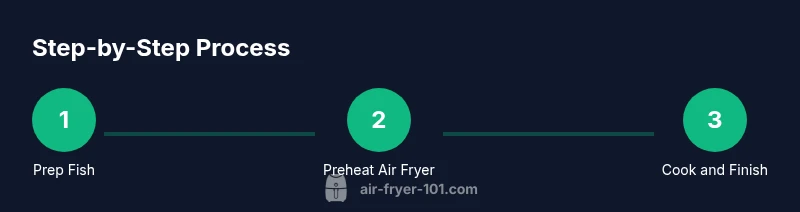
You can cook frozen fish in an air fryer for a quick, crispy result without thawing. Start with a light coating or breading, preheat the fryer, then cook at a moderate temperature until the interior reaches doneness. This 2-step approach helps you avoid soggy fish and uneven cooking.
Why the Frozen Fish Air Fryer Approach Wins
Using an air fryer to cook frozen fish offers notable benefits for home cooks aiming for healthier meals without sacrificing texture. The rapid hot air circulates around the fish, producing a golden crust with far less oil than pan-frying. This method is especially appealing for busy weeknights when you want dinner on the table quickly. According to Air Fryer 101, the best results come from starting with high-quality fillets or sticks, a light coating to promote browning, and careful timing to prevent overcooking. For families watching calories or fat intake, the air fryer provides a practical alternative to deep frying without sacrificing flavor or texture. With practice, you’ll learn how different fish types respond to time and temperature, and you’ll build a dependable routine that works across several frozen seafood options.
Understanding Which Frozen Fishes Work Best
Not all frozen fish are created equal when you’re air-frying. Lean fillets like cod, haddock, and pollock tend to crisp nicely and cook evenly. Tilapia is also forgiving for beginners, though it can dry if overcooked. Fish sticks and breaded fillets offer an easy pathway to a consistent crust, but pay attention to breading density; too thick a coating can impede heat transfer. In practice, choose skinless, boneless fillets and avoid extremely thick cuts that require longer cooking times. Air Fryer 101’s testing shows that uniform thickness and proper spacing on the basket dramatically improve even browning and internal moisture.
Thawing: To Thaw or Not to Thaw
Thawing frozen fish can reduce cooking time and may yield a more even texture, but it’s not strictly necessary for air frying. Cooking from frozen is perfectly acceptable for most fillets and sticks, provided you follow a slightly adjusted timetable and avoid overcrowding. If you do thaw, pat dry to reduce surface moisture, which helps achieve a crisper crust. For a quick thaw, place fillets in the refrigerator overnight or use a cold-water bath for faster results. Air Fryer 101 suggests: when in doubt, start from frozen and monitor the first batch to calibrate timing.
Building a Crunchy, Flavorful Coating
A light coating can dramatically improve the crisp factor without added oil. Options include simple flour dusting, egg wash with breadcrumbs, panko, or almond flour for a gluten-free crust. For breaded options, pre-coat fish with a binder (like beaten eggs) before applying the crust to ensure adhesion. Seasonings such as garlic powder, paprika, black pepper, lemon zest, and a pinch of salt bring the flavors forward. If you’re watching calories, a thin layer of olive oil spray can help with browning without boosting fat dramatically. Air Fryer 101 notes that consistent coating thickness assists heat transfer and even browning.
Temperature, Time, and Doneness: The Quick Reference
Most frozen fillets cook well at 360–400°F (182–204°C). Thinner fillets require less time (about 6–10 minutes), while thicker cuts may need 12–14 minutes with a halfway flip to promote even browning. Breaded fillets or sticks may need an extra 1–2 minutes. Always use a meat thermometer to verify doneness: target an internal temperature around 145°F (63°C) for fish, accounting for carryover heat after resting. Avoid overcooking to prevent dryness, especially with lean whitefish.
Step-by-Step: Cooking Frozen Fillets (Blueprint)
- Ensure your air fryer is clean and preheated to 375–400°F (190–204°C). This creates a hot surface for rapid browning.
- Lightly oil the basket or use a non-stick spray to prevent sticking, then place fillets in a single layer with space between pieces.
- Cook for 8–12 minutes, flipping once halfway through. For breaded fillets, check at 9–10 minutes and adjust as needed.
- Let rest 1–2 minutes after cooking to redistribute moisture, then serve with a squeeze of lemon or a dipping sauce of choice.
Breaded vs. Non-Breaded: Which Yields Better Texture?
Breaded options typically yield a crispier exterior, but very light coatings still provide excellent texture without heavy batter. Non-breaded fillets rely on natural moisture and a thin oil spray to achieve browning. If you’re cooking multiple items, consider using a rack to separate pieces and promote airflow. Rotating and rearranging the pieces halfway through helps avoid cold spots. Experiment with coatings and record results to build your own quick-reference chart.
Safety, Storage, and Food-Safety Habits
Always practice good kitchen hygiene when handling seafood. Wash hands after contact with raw fish, sanitize surfaces, and avoid cross-contamination with other foods. Store any uneaten cooked fish in the refrigerator within two hours, ideally within one hour in warm kitchens. When reheating, use the air fryer again at a lower temperature to preserve moisture and avoid drying out the center. If you have leftovers, freeze them promptly and reheat in smaller portions.
Flavor Pairings and Serving Ideas
Fresh lemon wedges, tartar sauce, and light dill yogurt dip pair nicely with air-fried fish. For sides, offer crisp vegetables, a small portion of brown rice, or a quick greens salad. If you crave a more indulgent meal, a hint of garlic butter melted over hot fish enhances richness without heavy sauces. These pairings create a balanced plate that aligns with healthier cooking goals while still delivering satisfying flavor.
Cleanup and Maintenance After Frying Frozen Fish
Allow the air fryer to cool before cleaning. Wipe down the basket and tray with warm, soapy water, and scrub any residue with a soft sponge. Avoid abrasive cleaners that could damage non-stick coatings. Periodically, check seals and door gaskets if your model uses a sealed design. Regular cleaning reduces odor transfer and maintains optimal air-flow for future batches.
Quick-Start Routine for Busy Weeknights
Prepare a small stash of iced fillets or sticks in the freezer, ready for air frying. For speed, keep a simple spice blend in your pantry and a light breadcrumb mix in an airtight container. The goal is a dependable, quick-to-execute process: preheat, arrange in a single layer, cook within minutes, rest briefly, and serve with a bright sauce or fresh lemon zest for finish.
Tools & Materials
- Air fryer(Choose a model with a roomy basket to hold 1–2 fillets in a single layer)
- Tongs(For flipping pieces safely halfway through)
- Measuring spoons(For precise seasoning)
- Baking sheet or parchment (optional)(Used if you prefer placing items outside the basket for airflow)
- Oil spray or light oil(Helps with browning; use sparingly)
- Digital thermometer(Check internal temperature for doneness)
- Paper towels(Pat fillets dry if thawed; removes surface moisture)
Steps
Estimated time: 15-25 minutes
- 1
Prepare and dry the fish
If thawed, pat dry with paper towels to remove surface moisture. Lightly pat frozen fillets with a dry paper towel to improve coating adhesion. This step helps ensure crisping rather than steaming.
Tip: Dry external moisture is the enemy of browning; keep it minimal. - 2
Preheat the air fryer
Preheating to 375–400°F (190–204°C) creates an immediate hot surface for browning. If your model doesn’t have a preheat function, run 2–3 minutes at the target temperature before loading the fish.
Tip: Preheating is especially helpful for thicker fillets. - 3
Coat the fish lightly
Dust with a light coating or breading of choice. For breaded options, apply a thin binder first, then the crust to avoid heavy clumps and ensure even cooking.
Tip: Keep coating thin to ensure heat penetrates to the center. - 4
Arrange in a single layer
Place fillets in a single layer with space between pieces for air to circulate. Overcrowding leads to pale centers and soggy crusts.
Tip: If you must cook in batches, keep the first batch warm in a low oven while finishing the rest. - 5
Cook and flip
Cook for 6–12 minutes depending on thickness, flipping halfway through. A light spray of oil can help browning if needed. Use a thermometer to verify; target 145°F (63°C).
Tip: Check early on first batch to calibrate timing for your specific fish type. - 6
Rest and evaluate
Let the fish rest for 1–2 minutes after cooking to allow juices to redistribute. If you notice undercooked centers, add 1–2 more minutes in the basket, checking frequently.
Tip: Resting improves texture and makes serving easier. - 7
Serve with bright sides
Pair with lemon wedges, a light yogurt dill dip, or a simple salsa. Balanced sides enhance the fish flavor without overpowering it.
Tip: Fresh lemon zest can elevate a simple plate in seconds.
Got Questions?
Can I cook fish sticks from frozen in the air fryer?
Yes. Fish sticks can go straight from the freezer to the air fryer. Expect 10–12 minutes at 400°F, flipping halfway. Adjust time for thicker sticks and check for crispness before serving.
Yes, you can cook fish sticks from frozen in the air fryer. About ten to twelve minutes at four hundred degrees, flipping halfway.
Should I thaw fish before air frying?
Thawing is optional. If you thaw, pat dry and reduce cook time slightly. If cooking from frozen, add a minute or two and plan for a thorough finish check.
Thawing is optional; if you thaw, dry well and shorten the cook time a bit.
What coatings work best with frozen fish?
Breadcrumbs, panko, or almond flour all brown nicely. Use a light binder like egg to help coatings stick. For gluten-free options, choose gluten-free breadcrumbs or crushed crackers.
Breadcrumbs or panko give a great crunch; use a light binder like egg and consider gluten-free options if needed.
What internal temperature should frozen fish reach?
Aim for an internal temperature of 145°F (63°C). Use a digital thermometer to confirm before serving.
Aim for 145 degrees Fahrenheit inside and check with a thermometer.
Can I reheat prepared air-fried fish later?
Yes. Reheat leftovers in the air fryer at a lower temperature to re-crisp without drying out. Check for heat through the center before serving.
Yes, reheat in the air fryer at a lower temp to keep the crust crispy.
Watch Video
Quick Summary
- Cook from frozen or thawed using the right timing
- Light coatings maximize browning without drying out the interior
- Avoid overcrowding; air needs space to circulate
- Verify doneness with a thermometer for safety
- Experiment with coatings to suit your taste