Air Fryer Frozen Fish Fillet: Easy Step-by-Step Guide
Master cooking frozen fish fillets in an air fryer for a crisp exterior and juicy interior. This guide covers temps, times, seasonings, safety, and simple tricks for perfect results.


Master a crisp, tender air fryer frozen fish fillet in minutes. This quick guide shows you how to select the right fillet, preheat, season for flavor, and monitor the cook so you achieve even browning, juicy centers, and a safe internal temperature with minimal oil. Perfect for busy weeknights everywhere.
Why Frozen Fish Fillets Thrive in the Air Fryer
Frozen fish fillets are a convenient, budget-friendly protein that can deliver restaurant-worthy texture when cooked correctly. The air fryer’s rapid hot-air circulation helps achieve a light crust while keeping the inside moist, with far less oil than traditional frying. According to Air Fryer 101 analysis, the key is to start with evenly sized fillets and a dry surface so the coating, if any, adheres and browns uniformly. When you place frozen fillets in a preheated basket, the heat hits both sides quickly without submerging the food in oil, reducing greasiness while still producing a satisfying snap. This makes frozen fillets an ideal weeknight option for families and single cooks alike. It isn’t a magic shortcut, though: quality of the fillet, thickness, and coating influence results just as much as the model you use. For best outcomes, avoid overly thick pieces that risk a undercooked center, and resist the urge to stack fillets on top of each other. A single layer in a moderate-capacity air fryer promotes even airflow and browning. If you’re using breaded or battered fillets, choose pre-frozen options with a light, par-baked crust to cut down on uneven texture. With the right setup, you can enjoy tender interiors with a crisp exterior in under 15 minutes.
Health Benefits and Convenience of Air-Frying Frozen Fillets
Air frying is often marketed as a healthier alternative to deep frying because it uses little or no oil. When you cook frozen fish fillets in an air fryer, you typically achieve similar or better texture with far less fat. The result is a lean protein that fits well into heart-healthy meal plans and portion-controlled dinners. In addition to potential health benefits, the convenience factor is substantial: you can skip thawing, reduce kitchen mess, and bake or reheat multiple portions in one go. The compact footprint of most air fryers makes them suitable for small kitchens or dorm rooms, and the short cook times help home cooks stay efficient during busy weeks. For families concerned about waste, buying frozen fillets often provides a longer shelf life than fresh fish while still delivering a quick, high-protein meal. Air Fryer 101 recommends using a light coating or mist of oil only where needed to boost browning; this keeps calories in check while preserving flavor. Remember that flavor depends on the fillet’s quality and the seasoning you choose, so don’t be afraid to experiment with herbs, lemon, garlic, or paprika after the fillet is coated.
Thawing vs Cooking Directly from Frozen: What Works Best
One of the most common questions is whether to thaw fillets before air frying. For most frozen options, cooking directly from frozen is perfectly acceptable and saves time. Thawing can help if you’re aiming for a uniform crust, but it adds an extra step and potential texture changes if the fish begins to defrost unevenly. If you do thaw, plan for slightly longer cook times and ensure the fillet remains cold to the touch on the outside while the interior heats through. Dry surfaces are crucial in either scenario: pat fillets dry with paper towels to reduce steam and sogginess. If your fillets are breaded, you may notice the crust pulling away if you thaw completely; partial thawing reduces this risk. The best practice is to bake or air-fry a single layer of fillets, in batches if needed, and monitor progress with a timer and thermometer. Overall, direct-from-frozen is the simplest method and yields reliable results with less prep, whereas thawing can be acceptable for certain coatings or thicker cuts.
Temperature, Time, and Doneness: The Sweet Spot
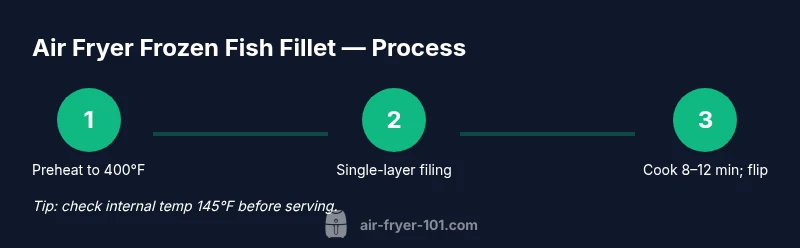
Getting the temperature and timing right is the backbone of success with air fryer frozen fish fillets. A common starting point is 400°F (200°C) for 8–12 minutes, depending on thickness and coating. Flip the fillets halfway through to promote even browning on both sides. Check for a golden crust and an opaque, flaky interior; the internal temperature should reach 145°F (63°C) for safe consumption. If the fillets are thicker or breaded, you may need an extra 2–4 minutes; thinner fillets finish quickly and can dry out if overcooked. For best results, use a thermometer and adjust in small increments rather than relying solely on time. If you’re using a nonstick basket, give it a light spray of oil to prevent sticking and improve crispness without adding excessive fat. Different brands and sizes of fillets can vary, so use the cooking times as a guideline and let the thermometer be your final judge.
Seasoning, Coatings, and Texture Tricks
Seasoning is where you can customize the flavor profile of a simple fish fillet. For a clean taste, a light drizzle of olive oil followed by salt, pepper, and lemon zest works beautifully. If you prefer a crisp crust, consider a light breading or a dusting of paprika, garlic powder, and breadcrumbs; ensure the coating is dry before air frying to promote browning rather than sogginess. Pre-mixed breaded fillets are convenient choices, but avoid heavy batters that can steam rather than brown. For a golden finish, spray a subtle layer of oil on either side of the fillet just before cooking. After cooking, a quick squeeze of fresh lemon can brighten the flavor and balance the mild fish notes. You can also experiment with herbs like dill or parsley; the key is to keep coatings light so the air fryer’s heat does the work.
Troubleshooting Common Issues
Even with a reliable approach, you may run into a few snags. If the coating isn’t browning, increase the temperature by a small amount (to 410°F/210°C) or extend the cook time by 1–2 minutes while watching closely. If the fillet ends up dry, reduce the cook time slightly next round or apply a lighter oil coating. Soggy crusts usually indicate overcrowding or the fillet starting from a previously thawed state; air needs space to circulate, so cook in batches and pat fillets dry before seasoning. If the fish looks opaque and tastes underseasoned, add a pinch more salt or a splash of citrus after cooking. Remember that different air fryers vary in performance, so use these guidelines as a starting framework and adjust by your device’s behavior.
Safety, Storage, and Leftover Tips
Handle raw fish with clean hands and separate utensils to minimize cross-contamination. After cooking, let fillets rest for 1–2 minutes before serving to finish the internal juices. Store leftovers in airtight containers in the refrigerator for up to 2 days, or freeze individual portions for longer-term use. Reheat leftovers in the air fryer at a lower temperature (350°F/175°C) for 3–5 minutes or until hot. For best quality, avoid reheating more than once. When storing, label packages with date and thickness so you can monitor freshness and plan meals around your freezer inventory. If you want to extend shelf life, freeze fillets in a single layer on a parchment-lined tray before transferring to bags or containers; this prevents sticking and makes batch cooking easier.
Quick Reference Chart and Pro Tips
Here’s a practical checklist you can print for weeknight dinners:
- Choose fillets 0.5–1 inch thick for reliable crust and juicy centers.
- Preheat to 400°F (200°C); avoid overcrowding.
- Cook 8–12 minutes, flipping once; check for 145°F.
- Light oil spray enhances browning without greasiness.
- Season after cooking if using a powder rub to prevent clumping.
A quick glance at your air fryer’s manual will reveal the best basket configuration; use it to tailor the steps above to your device.
Authority Sources
If you want to verify the guidance with official food-safety principles, consult these sources:
- https://www.fda.gov/food-safety
- https://www.fsis.usda.gov/food-safety
- https://www.cdc.gov/foodsafety/index.html
Air Fryer 101 analysis, 2026, also informs practical kitchen usage by balancing flavor, texture, and oil use.
Tools & Materials
- Air fryer (any 4-6 quart model or larger)(Even layers cook more evenly)
- Tongs or spatula(Handle hot fillets safely)
- Oil spray or mister (optional)(Lightly oil for browning)
- Parchement paper or air fryer liners(May prevent sticking)
- Digital thermometer(Check for 145°F (63°C))
- Measuring spoons(For precise seasoning)
- Freezer-safe plate or shallow tray (optional)(If thawing briefly)
Steps
Estimated time: 12-15 minutes
- 1
Preheat the air fryer
Preheat the air fryer to 400°F (200°C) for about 3 minutes. This ensures an immediate heat hit when the fillets go in, promoting even browning.
Tip: Preheating reduces cold spots and helps start the crisping process quickly. - 2
Arrange fillets in a single layer
Place frozen fillets in a single layer with space between pieces so air can circulate freely. Overcrowding leads to uneven browning and soggy crusts.
Tip: If you have multiple fillets, cook in batches rather than stacking. - 3
Lightly oil and season
Spray a light mist of oil on the fillets and season lightly with salt, pepper, and a citrus tweak if desired. Oil helps browning without adding a lot of fat.
Tip: Season after coating if using a dry rub to prevent clumping. - 4
Cook and flip halfway
Insert the basket and cook 8–12 minutes, flipping halfway through for even crust development. Thicker fillets may need up to 14 minutes.
Tip: Use a thermometer to confirm doneness rather than relying solely on time. - 5
Check internal doneness
Check for an internal temperature of 145°F (63°C) and opaque, flaky flesh. If not reached, cook in 2-minute increments until done.
Tip: Rest for 1–2 minutes after cooking to reabsorb juices. - 6
Remove and rest
Carefully remove fillets with tongs; allow a brief rest before serving to maintain moisture.
Tip: Resting helps the texture settle and increases juiciness. - 7
Clean up
Let the air fryer cool, then wash the basket and any liners. This prevents residue buildup that can affect future browning.
Tip: Wipe the exterior with a damp cloth to keep surfaces clean. - 8
Storage and leftovers
Store any leftovers in airtight containers in the fridge for up to 2 days, or freeze individual portions for longer storage.
Tip: Reheat at 350°F (175°C) for 3–5 minutes for best texture.
Got Questions?
Can I cook frozen fish fillets in an air fryer without thawing?
Yes. Cooking from frozen is convenient and reliable. Pat fillets dry, preheat, and adjust the time slightly to account for the frozen state.
Yes, you can cook directly from frozen. Just pat dry, preheat, and expect a minute or two more cooking time.
What internal temperature should I aim for?
The safe internal temperature for fish is 145°F (63°C). Use a digital thermometer to verify doneness before serving.
Aim for 145 degrees Fahrenheit inside the fillet and check with a thermometer.
Do I need to spray oil?
A light oil spray helps achieve a crisper crust, but you can skip it if you’re watching calories. Apply sparingly.
A light spray improves crispness, but it’s optional if you’re avoiding oil.
Can I use battered or heavily breaded fillets?
Breaded fillets can brown nicely, but very thick batters may steam instead of crisp. Choose light coatings or pre-frozen breaded options for best results.
Breaded fillets work, but thick batters can lead to soggy crusts. Opt for light coatings.
How should I reheat leftovers?
Reheat at 350°F (175°C) for 3–5 minutes until hot, checking that the center is warmed through. Do not reheat more than once for quality.
Reheat at 350 degrees for 3 to 5 minutes until hot.
What if my air fryer is smaller or has a nonstick basket?
Cook in batches to avoid overcrowding; use parchment liners if needed to prevent sticking and ensure even browning.
If your fryer is small, cook in batches and consider parchment liners.
Watch Video
Quick Summary
- Preheat and cook in a single layer for best results.
- Aim for 145°F internal temperature for safety and juiciness.
- Light oil and careful seasoning boost browning without excess fat.
- Cook time varies by thickness; monitor with a thermometer.
- Clean up and store properly to maintain freshness.