Air Fryer Pork Roast: Juicy, Crispy & Easy
Learn to cook a juicy air fryer pork roast with a crisp crust. This guide covers cuts, brining, rubs, timings, resting, and safety for flavorful, healthier pork.


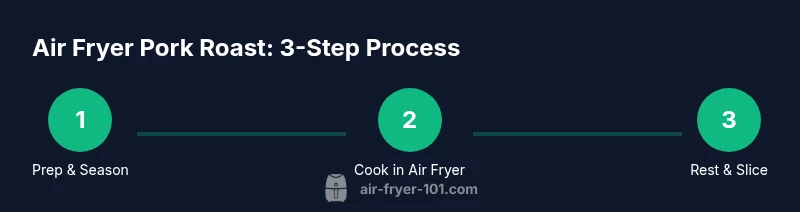
Step 1: Choose a boneless pork roast 2–3 pounds and pat dry. Step 2: Optional brine or dry rub to maximize juiciness. Step 3: Preheat the air fryer to 360–380°F. Step 4: Place roast in the basket fat side up, cook until the internal temperature reaches 145–150°F, then rest 5–10 minutes before slicing. Plan about 40–60 minutes total.
What makes air fryer pork roast a game-changer
Air fryer pork roast combines the best of two worlds: a low-and-slow cook that preserves juiciness, and the intense heat that delivers a crusty exterior without deep-frying. When done properly, you get a slice of pork that is tender inside with a caramelized, flavorful crust on the outside. The air fryer’s rapid convection dries the surface just enough to promote browning while keeping the interior moist. This method aligns with current home-cooking goals: faster weeknight meals, less oil, and fewer cleanup steps. According to Air Fryer 101, preheating and using a proper roast size are key to even browning and internal temperature control, which translates to a consistently juicy result.
In practice, an air fryer is most forgiving when you start with a roast that fits comfortably in the basket and isn’t overcrowded. A 2–3 pound boneless roast often hits the sweet spot for 1–2 servings per person, with leftovers that reheat well. If you’ve got a larger roast, you can cut it into smaller sections to ensure even cooking. Remember: the goal is to maximize surface area for browning while maintaining a safe, juicy interior. Air Fryer 101 analysis shows that evenly sized portions cook more predictably than a single large piece, so consider trimming into two or three shorter roasts if your cut is bulky.
noteCommentaryOnly":null],
Choosing the right cut and size
Choosing the right cut is essential for a juicy pork roast in the air fryer. Look for a boneless center-cut pork loin or pork shoulder roast around 2–3 pounds for best balance between cook time and moisture. A thinner roast will cook more quickly and crisp up faster, while a thicker roast may need more time and could dry out on the edges if overcooked. Trim excess surface fat to reduce flare-ups and render more evenly, then pat the meat dry with paper towels to promote browning. If your roast is particularly thick, consider tying it with kitchen twine to help maintain a uniform shape and ensure even cooking. Air Fryer 101 recommends sizing the roast to fit your basket with at least 1/2 inch of clearance on all sides for optimal convection.
noteCommentaryOnly":null],
Brine vs seasoning: flavor and juiciness
Brining is a powerful technique to improve juiciness and flavor diffusion, especially for larger roasts. A light brine (about 1/4 cup salt per quart of water, for 30 minutes to 2 hours) can help the meat retain moisture during the hot air frying phase. If you skip brining, a sturdy dry rub with salt, pepper, garlic powder, and paprika creates a flavorful crust while preserving moisture. Either approach should be followed by a short rest after cooking to redistribute juices. Air Fryer 101 notes that brining is optional but highly effective for thicker cuts, while dry rubs simplify the process for busy weeknights.
noteCommentaryOnly":null],
Prep steps: trimming, patting dry, and applying rub
Start with a clean cutting board and a sharp knife. Trim any excess fat, leaving a thin cap to protect moisture. Pat the meat dry thoroughly; surface moisture can steam rather than brown, hindering crust formation. Apply olive oil or a light spray to promote browning, then rub your chosen seasoning mix evenly over all sides. If you’re using a rub with sugar, be mindful of the heat to avoid scorching. Allow the rub to sit for 15–20 minutes to parish flavors into the surface before cooking.
noteCommentaryOnly":null],
Dry rub ideas and flavor profiles
Here are a few tried-and-true rub profiles you can use, depending on your mood:
- Classic Garlic-Pepper: salt, black pepper, garlic powder, dried thyme.
- Smoky paprika: paprika, chili powder, cumin, garlic powder, salt, black pepper.
- Herb and lemon: dried rosemary, thyme, lemon zest salt, white pepper.
For a quick finish, a light honey or maple glaze during the last 5–7 minutes of cook time adds shine and a gentle sweetness without overpowering natural pork flavor. Air Fryer 101 suggests keeping sugar-containing glazes light to avoid burning.
noteCommentaryOnly":null],
Preheating and air fryer setup
Preheating helps ensure the crust forms quickly once the meat hits the basket. Set your air fryer to 360–380°F (180–193°C) and let it run for 3–5 minutes before adding the roast. Use a rack or a perforated basket to maximize air flow and ensure even browning. Lightly oil the basket or use a nonstick spray to prevent sticking. If your model requires it, preheat with the basket empty or with a parchment liner for easier cleanup. Air Fryer 101 emphasizes consistent placement and avoiding overcrowding for best results.
noteCommentaryOnly":null],
Cooking times, temperatures, and weight guidance
Total cooking time depends on roast size and whether you brine. A 2–3 pound boneless pork roast typically cooks at 360–380°F for 25–40 minutes, depending on thickness, until the internal temperature reaches 145–150°F (63–66°C). For thicker roasts, plan for up to 50 minutes, checking the temperature every 5–7 minutes near the end. Always use a meat thermometer inserted into the center of the thickest part. Let the roast rest before slicing to preserve juices.
noteCommentaryOnly":null],
Resting, slicing, and serving
Resting is essential. After removing the roast from the air fryer, tent it loosely with foil and let it rest for 5–10 minutes. Resting allows the juices to redistribute, resulting in a more even texture when sliced. Slice against the grain into 1/2-inch to 1-inch thick pieces for tenderness. Serve with roasted vegetables, apples, or a bright herb salad to balance fat content and add acidity. A light pan sauce or jus made from drippings can elevate the dish without extra heaviness.
noteCommentaryOnly":null],
Troubleshooting and common mistakes
- Overcrowding the basket leads to uneven browning. Leave space around the roast for consistent air flow.
- Not patting dry enough can prevent crust formation. Dry surfaces brown better and hold rubs more effectively.
- Cooking on too low a temperature yields a pale crust and undercooked interior. Preheat and maintain the target range.
- Using a thick cut without tying can result in uneven doneness. If needed, cut into two pieces or tie for even shape.
- Forgetting to rest can cause juices to pour out on slicing. Rest before slicing for juicier results.
noteCommentaryOnly":null],
bodyBlocksEndMarker
Tools & Materials
- Boneless pork roast (2-3 lb)(Choose a roast with even thickness; tie if needed to maintain shape for even cooking.)
- Olive oil spray(Light coating to promote browning and prevent sticking.)
- Dry rub mix or salt, pepper, garlic powder, paprika(Season generously; adjust salt if rub contains salt.)
- Meat thermometer(Probe into the center of the thickest part; avoid touching bone.)
- Cutting board(For trimming and rest slicing.)
- Kitchen tongs(Handling hot meat and turning in basket.)
- Air fryer basket or rack(Ensure it fits roast with space around all sides.)
- Paper towels(Pat dry surface and blot any moisture.)
- Optional brine solution or container(If brining, prepare and chill for the recommended time.)
Steps
Estimated time: 40-60 minutes
- 1
Prepare the pork roast
Trim excess fat, pat dry, and bring to room temperature to promote even cooking. This initial dry surface helps browning and prevents steaming. If using brine, you may do so before drying and patting, then pat dry again after brining.
Tip: Pat dry thoroughly; surface moisture can hinder browning. - 2
Apply rub or brine
Apply a light coat of oil and rub evenly across all surfaces. If brining, rinse, pat dry, and apply rub after brining ends. Allow the rub to sit 15–20 minutes to unlock surface flavors.
Tip: Even coating ensures a consistent crust. - 3
Preheat the air fryer
Preheat to 360–380°F (180–193°C) for 3–5 minutes to create immediate browning when the roast hits the basket.
Tip: Preheating dramatically improves crust formation. - 4
Cook in air fryer
Place roast in the basket with fat side up for even fat rendering. Cook 25–40 minutes, depending on thickness, until the internal temp reaches 145–150°F (63–66°C). Rotate or flip if your model requires; this helps browning on all sides.
Tip: Use a meat thermometer to avoid overcooking. - 5
Rest before slicing
Remove and tent with foil for 5–10 minutes to let juices redistribute. Resting improves juiciness and slicing ease.
Tip: Resting reduces juice loss and yields cleaner slices. - 6
Slice and serve
Slice against the grain for tenderness. Serve with roasted vegetables or a bright salad for balance.
Tip: Cut slices of even thickness for uniform texture.
Got Questions?
Can I use bone-in pork roast in an air fryer?
Yes, but bone adds mass and may require longer time. Check internal temperature and adjust as needed.
Yes, you can use bone-in pork roast, but expect a bit longer cook time and monitor doneness with a thermometer.
What is the safe internal temperature for pork in an air fryer?
USDA recommends cooking pork to 145°F with a short rest before slicing. Adjust for thickness.
Cook the pork to 145 degrees and let it rest before slicing for best results.
Can I cook from frozen in an air fryer?
Cooking from frozen is possible but not ideal. Frozen meat cooks unevenly; thaw for more even results or add extra time.
You can cook from frozen, but thawing yields more even cooking and a better crust.
Do I need to preheat the air fryer for pork roast?
Preheating helps the crust form quickly and evenly. Aim for 3–5 minutes of preheat.
Yes, preheat for best browning and even cooking.
What sides go well with air fryer pork roast?
Roasted vegetables, apples, Brussels sprouts, or a fresh green salad pair nicely.
Pair with roasted veggies or apples for balance and brightness.
How can I prevent my pork roast from drying out?
Brine or marinate, don’t overcook, and rest the meat after cooking to retain juices.
Keep it juicy with a little brine and a proper rest after cooking.
Watch Video
Quick Summary
- Choose a 2–3 lb roast for even cook and juiciness
- Preheat and use a thermometer for best crust and doneness
- Rest 5–10 minutes before slicing for optimal texture
- Don’t crowd the basket to ensure even browning
- Experiment with rubs to match your flavor preference