How to Cook a 7 lb Turkey Breast in an Air Fryer
Step-by-step guide to cooking a 7 lb turkey breast in an air fryer, covering thawing, seasoning, safety, and serving ideas for juicy, evenly cooked results.


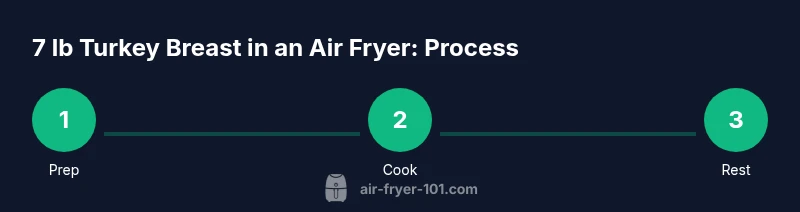
To cook a 7 lb turkey breast in an air fryer, thaw it completely, dry-brine or rub with spices, and roast on a rack until the skin is crisp and the interior reaches a safe temperature. Use a large-capacity air fryer, ensure even airflow, and monitor with a meat thermometer. Expect longer cook times for this larger cut.
Choosing the right air fryer for a 7 lb turkey breast
Not all air fryers can handle a huge cut like a 7 lb turkey breast. Look for models with a minimum 6-quart capacity and a flat interior that allows the breast to lie flat without touching the sides. If your unit is smaller, you may need to split the breast into two pieces or use a rack to raise the meat for better airflow. The Air Fryer 101 team has found that capacity matters more than wattage here; a larger cooking chamber ensures even heat distribution and browning. Check the interior dimensions with the rack and the tallest point on your turkey to ensure there is clearance on all sides. Preheating helps in some models by reducing cook-time variability, but it isn’t always essential. Consider a model with a sturdy rack or rotisserie option to position the breast for uniform contact with hot air. Finally, ensure you have a reliable thermometer and a drip pan to catch juices for easy cleanup. With the right equipment, a 7 lb turkey breast can be roasted to crisp skin and juicy meat using an air fryer rather than a conventional oven. According to Air Fryer 101, selecting the right capacity is the first step toward consistent results.
Preparing your turkey breast: thawing, seasoning, and brining
Begin with a fully thawed breast; frozen centers will cook unevenly in an air fryer. Pat the skin dry with paper towels to promote browning, and trim any excess fat or loose skin. Brining is optional but can improve juiciness; a light dry-brine with salt and a mix of paprika, garlic powder, and black pepper helps the surface develop flavor and stay moist. If you choose to wet-brine, ensure the breast is fully thawed and patted dry afterward, then apply a light oil and rub. Apply a thin coat of olive oil or avocado oil to promote browning, then season evenly on all sides. For a crisp, flavorful finish, try a simple rub: salt, pepper, garlic powder, onion powder, and smoked paprika. Let the rub sit on the surface for at least 15 minutes, or up to a few hours in the fridge if you have time. If you brine, rinse lightly and pat dry before applying the oil and rub. The goal is a flavorful, moisture-retaining crust that browns evenly without scorching. Throughout, keep your workspace clean and sanitized, and avoid cross-contamination by using separate cutting boards for raw poultry. The Air Fryer 101 team notes that an even surface helps heat reach every part of the meat for consistent browning.
Safety and food safety basics for poultry in an air fryer
Poultry must reach a safe internal temperature to prevent illness; the recommended target is 165°F in the thickest part of the breast. Use a probe thermometer and avoid hitting bone. Do not reuse tools that touched raw poultry without washing. Place the breast skin-side up on a rack or trivet to maximize exposure to hot air. If your thermometer shows slow movement, give it more time or adjust the cooking setup slightly. With larger cuts, safety margins matter: ensure there are no cold spots and check multiple spots near the thickest portion. After cooking, allow the meat to rest loosely covered for 10-15 minutes; this lets juices redistribute and improves tenderness. Finally, clean the air fryer interior promptly to prevent flavor transfer in future cooking. Air Fryer 101 emphasizes safe handling and sanitization as part of every roast.
Step-by-step cooking plan (high-level strategy)
A practical approach is to treat the air fryer like a mini oven: preheat if your model requires it, position the breast on a rack, and roast with attention to airflow. Start by placing the seasoned breast on the rack so hot air circulates around all sides. If your unit supports it, cook with a light initial heat to brown the skin, then adjust to a steady medium-high temperature to finish. Flip or rotate as needed to promote even browning on all surfaces. Check the internal temperature toward the end of the cooking window, then rest before slicing to lock in juices. This strategy helps avoid overcooking the exterior while ensuring the center reaches a safe temperature. The result should be crisp skin, juicy meat, and a hands-off cleanup compared with a traditional oven roast. Air Fryer 101’s testing confirms that proper air circulation and a thermometer are the keystones of success.
Troubleshooting and tips for even doneness
Common issues include uneven browning, dry edges, or a pale center. Ensure the breast isn’t crowded; use a rack to lift the meat for maximum air exposure. If browning is uneven, rotate or flip and briefly increase the temperature for a few minutes at the start. For moisture retention, a light oil coating helps, as does a dry-brine before rubbing. If you’re near the capacity limits of your air fryer, consider cooking in two batches or subdividing the breast into two pieces if necessary. Always verify doneness with a thermometer and allow a rest period to reabsorb juices. Proper setup and a little patience are the differences between good and exceptional results.
Serving ideas and next steps
Slice against the grain and serve with classic sides like green beans, mashed potatoes, or a simple pan gravy. Leftovers can be refrigerated in shallow containers for quick lunches, or repurposed into turkey sandwiches. For cleanup, remove any loose bits, wipe the interior, and wash the rack and pan. The final texture should be juicy inside with a crisp exterior. For future cooks, consider saving the pan juices for a light gravy base and storing leftovers promptly to maintain safety and flavor.
Tools & Materials
- Large-capacity air fryer (6 qt or larger)(Check that the 7 lb breast fits flat with clearance on all sides)
- Metal rack insert or trivet(Elevates meat for full airflow around the surface)
- Meat thermometer(Probe into the thickest part; avoid bone)
- Aluminum foil or parchment(Tent loosely or line the basket to catch juices)
- Sharp knife and cutting board(For prep and slicing post-cook)
- Tongs(Safe handling when flipping or rotating)
- Olive oil or avocado oil(Light coating to promote browning)
- Seasoning mix (salt, pepper, garlic powder, onion powder, paprika)(Balanced rub for flavor and crust)
Steps
Estimated time: Approximately 1 hour 15 minutes
- 1
Thaw and pat dry
Ensure the breast is fully thawed; pat dry the surface to promote browning. Trim any excess fat or skin if desired to reduce flare-ups and ensure even heat contact.
Tip: Patting dry is critical for a crisp exterior. - 2
Oil and season
Lightly coat the surface with oil and apply your chosen rub or dry-brine mixture uniformly. Let the seasoning sit for a short time to penetrate the surface.
Tip: Even coverage prevents dry patches and promotes browning. - 3
Preheat and prepare rack
Preheat the air fryer if your model requires it. Place the rack or trivet inside to keep the meat elevated for air circulation.
Tip: A properly positioned rack ensures consistent cooking around all sides. - 4
Load and start cooking
Place the breast on the rack, skin-side up, and start at a moderate temperature. Avoid crowding so air can flow freely.
Tip: Keep a small space around the roast for optimal airflow. - 5
Check halfway and adjust
Rotate or flip the breast halfway through cooking to promote even browning. If your unit allows, switch to convection or rotate the basket for uniform heat exposure.
Tip: Use tong tools to avoid piercing the meat and losing juices. - 6
Monitor temperature
Towards the end, insert the thermometer into the thickest part of the breast without touching bone. Stop when it reaches the safe target.
Tip: Target an internal temperature of 165°F (74°C) for safety. - 7
Rest before slicing
Let the turkey breast rest, loosely tented, for 10-15 minutes to redistribute juices and improve tenderness.
Tip: Resting makes slicing easier and keeps meat juicy. - 8
Slice and serve
Slice against the grain into even portions. Serve with preferred sides or store leftovers promptly.
Tip: Hit the first slice slowly to preserve the crust.
Got Questions?
Can I cook a frozen 7 lb turkey breast in an air fryer?
Cooking from frozen is not ideal; thawing ensures even heat distribution and safety. If you must, expect longer cook times and check multiple spots for doneness.
Thawing first is best for even cooking; cooking from frozen can lead to uneven results, so thaw if possible.
Is brining necessary for an air-fried 7 lb turkey breast?
Brining is optional but can improve juiciness and flavor. A light dry-brine works well and reduces moisture loss during roasting.
Brining isn’t required, but it can help keep the meat juicy during roasting.
What internal temperature should I aim for?
Aim for 165°F (74°C) in the thickest part of the breast to ensure safety and juiciness.
Cook to 165 degrees Fahrenheit in the thickest part, then rest before slicing.
Do I need to baste the turkey during cooking?
Basting isn’t necessary with a proper rub and oil coating; it can help with surface moisture but may not dramatically affect juiciness.
Basting isn’t required if you’ve seasoned and oiled well, but you may baste lightly if you want extra surface moisture.
Can I use a smaller air fryer for this roast?
If your unit is smaller, split the breast into two pieces or cook in batches to preserve airflow and browning.
Smaller air fryers work best with two smaller pieces or multiple batches.
Watch Video
Quick Summary
- Choose a large-capacity air fryer for a 7 lb breast
- Thaw, pat dry, and apply oil + rub for browning
- Use a rack and rotate for even heat distribution
- Check internal temp with a thermometer to reach 165°F
- Rest before slicing and enjoy with simple sides