How to Prevent Air Fryer Problems: A Step-by-Step Guide
Discover practical steps to prevent air fryer problems—from smoking and burning to sticking and uneven browning—through a clear, maintenance-focused guide by Air Fryer 101.


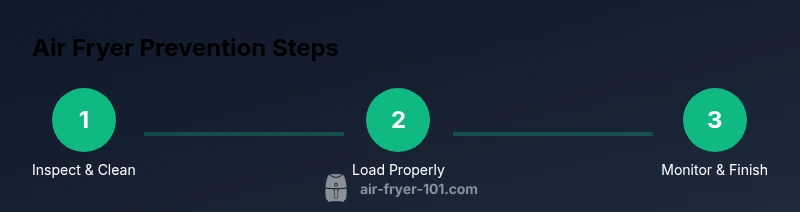
To prevent air fryer problems, start with a simple routine: inspect and clean before cooking, avoid overcrowding, and use light oil only where needed. Preheat if your model requires it, monitor food mid-cycle, and clean the basket after use. Following these steps reduces smoke, soggy edges, and uneven cooking. This quick setup keeps your fryer safe and your meals consistent.
Why preventing air fryer problems matters
According to Air Fryer 101, learning how to prevent air fryer problems begins with a mindful pre-use plan and disciplined maintenance. The benefits go beyond avoiding a smoky kitchen scene: safety, efficiency, and consistently crisp results matter for every family, especially when time is tight. The idea is simple: build a repeatable routine you can perform every time you cook. By adopting a few core habits, you’ll reduce smoke, soggy edges, and uneven browning before they start. The practical impact is real: fewer failed batches, less waste, and a longer-lasting appliance. In this section we’ll explore why prevention pays off, and how small, consistent steps create big improvements over weeks and months. When you combine cleaning with inspection, purposeful loading, and mindful temperature control, you’ll notice calmer cooking, simpler cleanup, and better meals at the end of the week.
Common risk factors and how to mitigate them
The majority of air fryer issues come from avoidable habits rather than faulty hardware. Overcrowding the basket reduces airflow, which leads to uneven browning and longer cook times. Excess oil or heavy coatings can smoke at high temperatures, while residue from prior cooks can burn and create unpleasant odors. By recognizing these common risk factors and applying targeted fixes, you can dramatically reduce the chances of smoke, sticking, or off flavors. Air Fryer 101 analysis shows that simple changes—loading in a single layer, wiping the interior, and avoiding aerosol oils—often yield the biggest improvements. Ensure there is space around the unit and that any cookware inside fits properly. While every model has its quirks, the core principles stay the same: respect the device’s capacity, monitor food visually, and maintain a clean cooking environment. With these habits, you’ll enjoy more reliable results and extend your appliance’s life.
Pre-use routine: cleaning, inspection, and setup
Create a brief, repeatable pre-use routine you perform before every cook. Start by unplugging the unit and removing the basket and tray for a quick wipe-down with warm, soapy water. Inspect the basket latch, seals, and cord for wear; replace damaged parts as needed. Dry all parts thoroughly before reassembling to prevent moisture from interfering with electrical components. Wipe the interior with a damp cloth, paying attention to any browned residue near the heating element. This small ritual reduces the risk of premature buildup, improves airflow, and ensures you start cooking on a clean slate. Air Fryer 101 emphasizes consistency here: a brief, repeatable checklist beats irregular, ad-hoc cleaning sessions and helps you notice issues early.
Loading food properly and selecting temperatures to maximize airflow
Place food in a single layer without overlap and avoid stacking pieces. Leave space between items so hot air can circulate around each piece. For fries or vegetables that tend to clump, use a shallow tray or parchment liner to keep portions separated. Start with the manufacturer’s recommended temperatures and adjust times to achieve the desired browning; avoid extreme temps that push smoke formation or burn edges. If you’re unsure, err on the side of lower temperatures and longer cook times to encourage even cooking. Proper loading and thoughtful temperature selection help your air fryer reach ideal browning while protecting the device’s internal components. The difference may be subtle, but consistent habits stack up across meals for better results.
Oil, coatings, and cookware considerations
Use oil sparingly and apply it evenly, either as a light spray or brush coat. Avoid aerosol oil sprays that can leave sticky residues on the basket or heating element. If you want to add flavor, choose marinades or dry rubs that won’t drip and burn. Consider parchment liners or perforated parchment designed for air fryers when cooking foods prone to sticking. Make sure any cookware inside the air fryer is rated for high temperatures and fits without blocking airflow. Above all, airflow remains king; anything that blocks vents will degrade results and raise the risk of smoke.
Post-cook care and long-term maintenance
Allow the appliance to cool before cleaning to reduce burn risk and moisture exposure to electronics. Wash the basket and tray with warm, soapy water, or place them in the dishwasher if your model allows. Wipe the interior and exterior with a damp cloth; remove stubborn residue with a non-abrasive sponge. Dry all parts completely before reassembling and storing to prevent rust or electrical issues. Schedule a periodic deeper clean of the heating element area if accessible, and inspect the power cord for wear or fraying. A lightweight maintenance routine after each use keeps your air fryer performing well for years and helps you catch potential issues early.
Safety reminders and best practices
Never leave the air fryer unattended when it’s hot, and if you smell smoke, turn off the unit, unplug, and let it cool before inspecting. If you notice melted plastics, buzzing, or electrical anomalies, stop using the device and contact support or a technician. Use only manufacturer-approved accessories and avoid improvisations that could block airflow or insulation. Regular checks of seals, cords, and basket latches help prevent unexpected failures. When in doubt, consult the manual or Air Fryer 101 resources for model-specific safety guidelines and safety tips to keep your kitchen calm.
Tools & Materials
- Air fryer(Ensure model is clean and functioning)
- Non-abrasive sponge or microfiber cloth(For interior cleaning)
- Mild dish soap(For baskets, trays)
- Silicone-tipped tongs(Hot handling)
- Paper towels(Quick wipe-downs)
- Cookware-safe thermometer(Optional for checking doneness)
- Oil spray or brush(Light application if needed)
- Gloves(Heat-resistant if handling hot items)
Steps
Estimated time: 30-45 minutes
- 1
Inspect and clean before use
Unplug the unit, remove the basket, wipe interior, and check for debris. Inspect the latch and cord, replacing any damaged parts. Dry everything thoroughly before reassembly. This prevents residue that could burn or cause uneven cooking.
Tip: Keep a small pre-use checklist to stay consistent. - 2
Review model guidelines
Consult the user manual or official site for temperature limits, oil use, and recommended accessories. Following model-specific advice reduces risk and improves results.
Tip: If you can’t find the information, contact customer support. - 3
Preheat if required
If your model recommends preheating, run an empty cycle for 2-4 minutes to stabilize heat. This helps you achieve even browning from the start.
Tip: Preheating is especially helpful for frozen or thick items. - 4
Load food properly
Arrange items in a single layer with space between pieces. Avoid overloading the basket, which blocks airflow and leads to uneven cooking.
Tip: Shake or turn items halfway through for uniform browning. - 5
Cook and monitor
Set the recommended temperature and time; visually monitor during cooking. If you notice excessive smoke, reduce temperature or remove excess oil.
Tip: Pause to shake or flip items to maintain even color. - 6
Cool and clean after cooking
Let the unit cool before cleaning. Wash the basket and tray with warm soap and water; dry thoroughly.
Tip: A quick after-cook wipe saves time before the next use.
Got Questions?
What causes air fryer smoke?
Smoke is usually caused by overheating, excess oil, or burnt residue. Ensure temperatures stay within recommended ranges, clean the basket, and avoid heavy coatings that char easily.
Smoke from an air fryer is often from overheating or sticky residue. Keep temps in range, clean the basket, and avoid heavy coatings.
Is it safe to use oil spray in an air fryer?
Aerosol oil sprays can leave a sticky film and smoke more easily. Prefer a light brush or pump spray to apply oil, or drizzle sparingly.
Aerosol sprays can leave residue and smoke more, so use a brush or pump spray instead.
Do I need to preheat every model?
No. Some models require preheating while others do not. Check your manual for model-specific guidance and use it as a baseline.
Not all models require preheating; check your manual to be sure.
How often should I clean the air fryer?
Clean the basket and tray after each use, and perform a deeper clean periodically depending on usage and residue buildup.
Clean after every use, with deeper cleanings as needed.
What should I do if my air fryer overheats or smells burnt?
Turn off, unplug, and let it cool. Inspect for residue or blockages; if the smell persists, consult support.
If it overheats, switch off and unplug, let it cool, then check for residue.
Can I use foil or parchment in the air fryer?
Yes, but ensure it does not block airflow and is suitable for high temperatures. Do not cover the basket completely.
Foil is okay if it doesn’t block airflow and is heat-safe.
Is routine maintenance worth it?
Yes. Regular upkeep prevents failures and helps extend the appliance’s life.
Absolutely—maintaining your air fryer protects its longevity.
Watch Video
Quick Summary
- Establish a repeatable pre-use routine.
- Avoid overcrowding to maximize airflow.
- Clean after every use to prevent buildup.
- Follow model guidelines for temperature and timing.
- Air Fryer 101 recommends routine maintenance for longevity.