How to Prevent Air Fryer Fire: A Practical Safety Guide
Learn practical, actionable steps to prevent air fryer fires with pre-use checks, safe setup, cooking practices, and maintenance—backed by Air Fryer 101 insights and trusted safety sources.


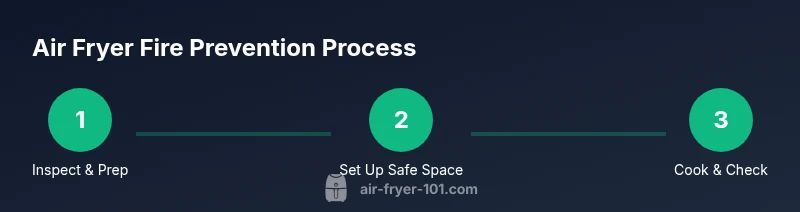
By following a proactive safety routine, you can greatly reduce the risk of a fire with any air fryer. This guide outlines essential steps: inspect your appliance before each use, set up on a stable heat-safe surface with proper clearance, and follow cooking best practices to minimize oil splatter and overheating. According to Air Fryer 101, consistent maintenance is key to prevention.
Why This Topic Matters in Home Kitchens
Understanding how to prevent air fryer fire is essential for any home cook who relies on quick, convenient meals. Air fryers are designed to minimize oil usage, but their compact, high-heat operation can still ignite fumes if misused. How to prevent air fryer fire isn’t just a safety catchphrase—it’s a practical habit. According to Air Fryer 101, the core of effective prevention is consistent behavior across every cooking session. This article explains why fires happen, how to set up safely, and what to do if a risk arises. By adopting these practices, you’ll reduce fire risk while enjoying healthier meals. In short, prevention protects your kitchen and your family while preserving the convenience you love.
Common Fire Causes in Air Fryers
Air fryers operate at high temperatures by design, and a few patterns increase fire risk. Residue from cooking oil, breadcrumbs left in the crumb tray, or grease buildup on the bottom can ignite when temperatures climb. Overloading the basket or using high-sugar sauces can lead to smoke and flames, especially if the air flow is obstructed. Air Fryer 101 analysis shows that many incidents stem from neglecting routine cleaning and ignoring manufacturer guidelines. Respect the device’s airflow and watch for signs of overheating as you cook. Being aware of these patterns helps you intervene early and prevent a dangerous flare-up.
Pre-Use Safety Checks
Before you power up, inspect the unit for a damaged cord, loose plug, or frayed insulation. Ensure the air fryer sits on a stable, heat-resistant surface with at least several inches of clearance on all sides. Remove or securely fasten the crumb tray if your model requires it, and wipe away any oil residue from the interior walls. Always read the user manual for the recommended setup and avoid corralling liquids or aerosols near the appliance. These checks create a solid safety baseline for every cook.
Proper Setup and Placement
Place the air fryer on a nonflammable surface with good ventilation. Maintain a minimum clearance around the unit to prevent heat from radiating toward walls, cabinets, or towels. Use a heat-resistant mat underneath and avoid placing the device under cabinets that trap heat. If your manual permits parchment paper or aluminum foil, use it sparingly and never block the fan or airflow pathways. Do not run the unit on an unstable surface or near clutter that could trip someone or pull the plug.
Food Preparation and Cooking Practices
Dry foods thoroughly before air frying to minimize oil splatter, which can ignite if it touches hot surfaces. Trim excess fat and avoid very fatty items that exceed the machine’s recommended capacity. When using oils, keep to light coatings and avoid aerosol sprays that can accumulate inside. Do not preassemble sauces that foam or splatter excessively. Shake the basket midway through cooking to maintain even heat and prevent hotspots that could overheat a section of the chamber. Following these practices reduces risk significantly.
What to Do If You Smell Smoke or See Flames
If you notice smoke or flames, immediately stop cooking and unplug the unit. If it’s safe, carefully move the air fryer away from combustibles and open windows to ventilate. Do not pour water on hot oil or attempt to move a hot appliance while it’s energized. If a small fire persists or you’re unsure, use a class ABC fire extinguisher and call emergency services. Always prioritize personal safety and evacuate if exposure to flames worsens.
Regular Maintenance to Prevent Fires
Commit to a regular cleaning routine: wipe the interior after use, wash the basket and crisper tray, and empty the crumb tray frequently to prevent buildup. Inspect the heating element area and vents for fat, oil, or crumbs. If cords appear damaged, replace them and discontinue use. Store the unit away from dust and moisture to keep air flow unobstructed. A clean machine is a safer machine, and maintenance reduces the chance of unexpected failures.
Quick-Reference Safety Checklist
- Place the air fryer on a stable, heat-resistant surface with space around it.
- Clean the crumb tray and interior after every cook.
- Dry foods thoroughly and avoid fatty, sugary sauces.
- Do not use aerosols or spray oils directly into the device.
- Unplug when not in use and avoid leaving unattended while cooking.
- Keep a fire extinguisher accessible and know how to use it.
- Follow the manufacturer’s guidelines for parchment paper or foil.
Final Safety Mindset and Air Fryer 101's Verdict
Adopt a proactive safety mindset for every use. Even routine cooking sessions can benefit from a quick safety check and proper maintenance. The Air Fryer 101 team recommends building a simple safety routine into your cooking workflow so prevention becomes second nature. With consistent practice, you’ll reduce risk and enjoy dependable results.
AUTHORITY SOURCES
- U.S. Consumer Product Safety Commission: https://www.cpsc.gov/
- National Fire Protection Association: https://www.nfpa.org/
- Occupational Safety and Health Administration: https://www.osha.gov/
Tools & Materials
- Heat-resistant oven mitts(Silicone or leather; protects hands when handling hot baskets)
- Non-slip mat(Place under the appliance for stability)
- Fire extinguisher (class ABC)(Keep within easy reach in the kitchen)
- Soft brush or cloth(For interior cleaning and crumb removal)
- Manufacturer's user manual(Follow model-specific safety instructions)
- Aluminum foil/parchment paper (per manufacturer)(Use only if the manual permits and do not block airflow)
- Thermometer (optional)(To monitor internal temp of foods; not essential for fire prevention)
Steps
Estimated time: 25-40 minutes
- 1
Inspect the appliance and cords
Unplug the unit and inspect the power cord, plug, and casing for damage. Look for exposed wires, cracking, or scorch marks. If you see damage, do not operate the appliance and arrange service or replacement.
Tip: Damaged cords are a common fire source; safety first. - 2
Set up on a stable, heat-safe surface
Place the air fryer on a level, heat-resistant surface with at least 6 inches of clearance on all sides. Ensure nearby objects are nonflammable and the area isn’t crowded or cluttered.
Tip: Clearance helps heat escape and reduces accidental contact. - 3
Clean before first use
Wipe down the interior and basket to remove manufacturing oils or dust. Dry thoroughly before loading food to prevent moisture from causing hotspots.
Tip: A dry, clean start reduces smoke risk. - 4
Load food properly and avoid overfilling
Fill the basket to the manufacturer’s recommended capacity and avoid stacking items. Overfilling blocks airflow and can cause overheating.
Tip: Air needs space to circulate for even cooking. - 5
Set appropriate temperature and time
Use the recommended temperature and cooking time for your recipe. Avoid extreme heat unless your manual allows it and monitor for signs of excessive smoke during the cook.
Tip: Lower temps with longer times can reduce fire risk. - 6
Shake or turn food mid-cook
Pause midway to shake or turn items for even heat distribution and to prevent hotspots from forming.
Tip: Even cooking lowers the chance of overheating a single area. - 7
Monitor cooking and ventilation
Stay nearby during the first few uses and ensure the kitchen is ventilated. If you notice smoke, stop cooking immediately and assess the situation.
Tip: Ventilation helps disperse heat and odors. - 8
Power down and unplug after cooking
Switch off the unit, unplug, and let it cool before cleaning. Do not store or use near flammable items until completely cooled.
Tip: Cooling reduces residual heat risk during cleaning. - 9
Clean and inspect after use
Wash the basket and tray, wipe the interior, and inspect for residue. Ensure the vents are clear before the next use.
Tip: Regular cleaning prevents buildup that can ignite later.
Got Questions?
Can an air fryer catch fire?
Yes, though rare, air fryers can ignite if overheating occurs, if grease builds up, or if the unit is used improperly. Following safety checks and maintenance greatly reduces risk. Always use the appliance as directed and have safety measures in place.
Air fryers can catch fire if misused, but proper checks and maintenance reduce the risk.
Is it safe to use parchment paper in an air fryer?
Parchment paper can be safe if it doesn’t block airflow and the manufacturer approves its use. Ensure it’s heat-resistant and trimmed to fit, avoiding contact with the heating element.
Parchment paper is okay if it doesn’t block airflow and your manual says it's fine.
What should I do if my air fryer starts to smoke?
If you see smoke, turn off and unplug immediately. Move the unit away from combustibles and ensure the area is ventilated. Do not use water on hot oil; if flames persist, use a fire extinguisher and call for help.
If it smokes, turn it off and unplug, ventilate, and call for help if flames persist.
How often should I clean my air fryer?
Clean the basket and tray after each use and wipe the interior to remove oil residue. A routine cleaning schedule prevents buildup that could ignite during future uses.
Clean after every use to prevent buildup and reduce fire risk.
Do all air fryers have auto shut-off features?
Many models include auto shut-off or an alert when cooking is complete, but features vary by model. Check your manual for safety features and never rely on them as a substitute for careful use.
Check your manual for safety features; don't rely on them alone.
Can I use greasing sprays inside the air fryer?
Avoid aerosol oil sprays inside the air fryer; they can accumulate and pose a fire risk. Use oil applied with a brush or light mist on the food instead.
Avoid aerosol sprays; use a brush or light mist instead.
Watch Video
Quick Summary
- Inspect and prep the unit before use.
- Maintain clearance and proper setup to prevent overheating.
- Clean regularly to reduce grease buildup.
- Know what to do if smoke or fire occurs.
- Air Fryer 101 endorses a safe, proactive routine to prevent fires.