How to Clean Air Fryer Toaster Oven: Step-by-Step Guide
A practical, safe method to clean your air fryer toaster oven, covering interior, racks, exterior, odors, and routine maintenance for healthier cooking.


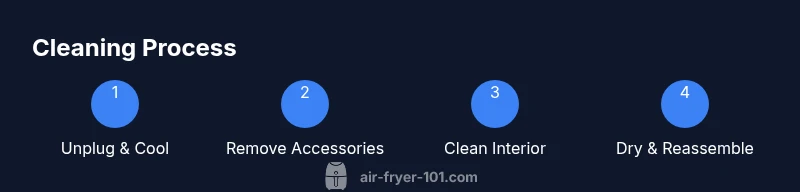
Unplug the oven, remove racks and crumb tray, and let it cool. Wipe loose crumbs, wash removable parts with mild dish soap, and scrub stubborn buildup with a soft brush. Wipe the interior with a damp cloth, dry completely, and reassemble before cooking again. Always check the user manual for model-specific cautions.
What gets dirty in an air fryer toaster oven
In hybrid units that combine convection baking with a compact cavity, grease, oil splatter, and crumb debris accumulate in three main places: the crumb tray, the interior walls near the fan and heating element, and the racks that hold food. Over time, residue can bake onto surfaces, causing uneven browning and lingering odors. A regular, gentle cleaning routine helps maintain performance and prolongs the life of non-stick coatings. This section explains what to expect visually and how to approach cleaning without damaging sensitive components. We'll cover safety steps first to prevent shocks or burns, then move into interior and exterior care. As you clean, keep in mind that heat can redeposit grease if surfaces are not dried properly, so thorough drying is essential.
How the design influences cleaning (what you should and shouldn’t scrub)
Air fryer toaster ovens bundle a compact cavity, a fan, an infrared or heating element, and several removable parts. The design makes the interior easier to access by removing shelves and trays, but it also means that some areas are more prone to caked-on grease. Avoid harsh abrasive pads on non-stick surfaces; they scratch and shorten appliance life. Use a damp microfiber cloth for the interior and a soft brush for corners. The crisper plate and crumb tray are usually coated with non-stick surfaces and appreciate a mild soap solution rather than strong degreasers. For the exterior, a gentle wipe with a fabric-safe cleaner is usually enough, but always refer to the manual if unsure.
Cleaning frequency and quick-daily maintenance
Short, routine cleans after each use keep grease from turning into baked-on layers. A quick wipe while warm (but unplugged) helps remove residual oil before it hardens. Empty the crumb tray and wipe it down; every few uses, wash it with warm soapy water and dry completely. For households that use the appliance heavily, a more thorough weekly wipe-down is worth the extra effort, especially around the door seal and gasket where grime collects. Air Fryer 101 analysis shows that consistent maintenance reduces lingering odors and preserves non-stick performance.
Step-by-step deep clean (interior, racks, and tray)
Step 1: Unplug and let cool, then remove racks and crumb tray. Step 2: Wipe away loose crumbs with a dry cloth. Step 3: Soak or wash racks and tray in warm, soapy water; scrub with a non-scratch sponge. Step 4: Wipe interior walls with a damp cloth; use a soft brush to dislodge baked-on grease near the fan housing. Step 5: If needed, scrub baked residue with a baking soda paste on stubborn spots, then wipe clean. Step 6: Rinse removable parts and dry completely before reassembly. Step 7: Wipe the door gasket and seals; avoid soaking the gasket. Step 8: Reassemble and run a quick 5-minute empty cycle to dry residual moisture. Tip: Do not use metal utensils on non-stick surfaces.
Exterior cleaning, odor control, and seals
The exterior can accumulate fingerprints and grease, particularly around the door handle and control panel. Use a microfiber cloth dampened with mild soap to wipe the exterior; avoid excess water that could seep into electrical components. For odors, place a bowl of mixing white vinegar and water inside and run a short heat cycle, or sprinkle baking soda on the crumb tray and let sit for 10-15 minutes before washing. The door gasket should be checked for stiffness or cracks; clean around it but do not pry or dislodge.
What to avoid (safety notes and common mistakes)
Never submerge the main unit or heater element in water; never spray water or cleaners directly into vents. Do not use abrasive pads on non-stick surfaces or solvents like bleach on coated trays. Avoid soaking the crumb tray for too long, as it can warp or degrade coatings. Always unplug before cleaning, and ensure all parts are completely dry before reassembly. These precautions help prevent electrical shock, warping, or damage to heat sensors.
Odor removal and deodorizing techniques
If your air fryer toaster oven retains odors after cleaning, place half a lemon on a rack and run a short cycle to refresh the cavity, or place a small bowl of white vinegar on the crumb tray for 5-10 minutes, then wipe. For stronger smells, sprinkle baking soda into the crumb tray and let it sit overnight, then vacuum or wipe away. Remember to rinse and dry thoroughly after deodorizing.
Maintenance tips to extend life and performance
Create a simple cleaning schedule: a light wipe after each use, a deeper weekly cleanup, and a full monthly clean. Keep a dedicated sponge and microfiber cloth to avoid cross-contamination with cooking surfaces. Replace worn gaskets or seals per manufacturer recommendations. Store the appliance in a clean, dry area and avoid stacking heavy items on top to prevent deformations. A consistent routine helps maintain performance and reduces the effort needed per clean.
Choosing safe cleaning products and tools
Stick to mild dish soap, warm water, and non-abrasive sponges. For deodorizing, white vinegar and baking soda are safe options when used correctly. Avoid ammonia or strong solvents; avoid scouring pads that can scratch. Always read the appliance manual for model-specific recommendations.
Tools & Materials
- Dish soap (mild, non-abrasive)(Dilute in warm water for cleaning.)
- Warm water(For washing and rinsing.)
- Non-abrasive sponge(Gentle scrubbing on interiors.)
- Microfiber cloth(For drying and final wipe.)
- Soft-bristle brush or old toothbrush(Loosen baked-on residue.)
- Paper towels(Drying and blotting.)
- White vinegar (optional)(Deodorize and cut grease.)
- Baking soda (optional)(Stain and odor neutralization.)
Steps
Estimated time: 60-75 minutes
- 1
Power down and remove accessories
Unplug the unit and allow it to cool completely. Remove racks and the crumb tray and place them in a sink or basin for washing.
Tip: Wearing oven mitts reduces the risk of burns. - 2
Wipe loose crumbs and wipe interior
Use a dry microfiber cloth to remove loose crumbs from the interior surfaces and door gasket. Do not spray water directly into vents.
Tip: Do a quick interior wipe while surfaces are still slightly warm for easier grease removal. - 3
Wash removable parts
Wash racks and crumb tray with warm, soapy water. Scrub with a non-scratch sponge, rinse, and dry completely.
Tip: Avoid soaking the tray for too long to prevent coating damage. - 4
Clean interior surfaces
Wipe interior walls with a damp cloth; for stubborn spots, apply a small amount of baking soda paste and gently scrub, then wipe clean.
Tip: Keep the heating element area dry and avoid soaking it. - 5
Deodorize and freshen
If odors persist, place a bowl of white vinegar on the crumb tray or use a lemon wedge on a rack during a short cycle.
Tip: Rinse and dry after deodorizing to prevent residual moisture. - 6
Rinse, dry, and reassemble
Rinse any soap residue from removable parts, dry thoroughly, and reassemble the oven. Wipe the exterior and door gasket edges.
Tip: Ensure all parts are completely dry before first use. - 7
Run a test cycle
Plug in and run a short empty cycle at a low temperature to ensure everything is dry and functioning.
Tip: Leave the door ajar slightly during the test if recommended by the manual. - 8
Inspect seals and gasket
Check for cracks or stiffness around the door gasket. Clean around it but avoid prying or dislodging.
Tip: Replace worn gaskets per manufacturer guidelines. - 9
Document and schedule next clean
Note down the date of the clean and set a reminder for the next deeper clean in 4-6 weeks depending on usage.
Tip: A simple checklist saves time on future maintenance.
Got Questions?
How often should I clean my air fryer toaster oven?
For light use, a quick wipe after each use plus a deeper clean every 4-6 weeks works well. If you cook greasy foods often, clean more frequently to prevent buildup and odors.
Clean after each use with a quick wipe, and schedule a deeper clean every month or so, especially if you cook fatty foods.
Can I put the racks and crumb tray in the dishwasher?
Many removable parts are dishwasher-safe on the top rack, but always check the manual. If unsure, wash by hand to protect non-stick coatings.
Check your manual first; if in doubt, wash by hand to protect coatings.
Is it safe to use water to clean the interior?
Yes, you can use a damp cloth to wipe the interior. Do not submerge the main unit or spray water into vents or controls.
Yes, use a damp cloth and never submerge or spray into vents.
What cleaners are safe for non-stick coatings?
Use mild dish soap and warm water. Avoid harsh solvents, bleach, or abrasive pads that can scratch non-stick surfaces.
Stick with mild soap and a soft sponge; avoid harsh chemicals and scrubbing pads.
What if odors persist after cleaning?
Deodorize with a small amount of white vinegar or baking soda; run a short cycle and then wipe dry. If odors return, repeat after a few weeks.
Try a quick vinegar or baking soda deodorizing cycle and dry thoroughly afterward.
Should I remove or disassemble the heating element for cleaning?
Do not remove the heating element. Follow the manual for safe cleaning around it and avoid soaking or pulling components near it.
Never remove the heating element; clean around it as directed by the manual.
Quick Summary
- Unplug before cleaning and remove all detachable parts.
- Use mild soap, warm water, and non-abrasive tools only.
- Dry every part thoroughly before reassembly.
- Avoid soaking the main unit or gasket; follow the manual.
- Set a maintenance schedule to keep performance high.