How to Preheat an Air Fryer: Quick Step-by-Step Guide
Learn how to preheat an air fryer for crispier, more even results. This step-by-step guide covers temperatures, timing, safety, and model considerations to help you cook with confidence.


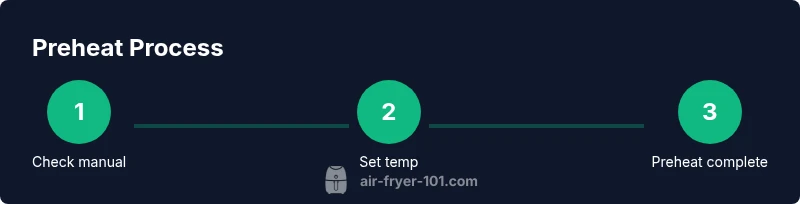
To preheat an air fryer, power on the unit, set the temperature you plan to cook at, and run it empty for a short warm-up period. Preheating helps achieve even heat distribution and better texture, especially for foods that benefit from a quick start. Always check your model's manual for the suggested preheat time.
Why preheating matters
Preheating an air fryer matters because it jump-starts the airflow and brings the chamber to cooking temperature before food enters. When you ask yourself, how do you preheat an air fryer, the general idea is simple: raise the heat and run the unit for a brief warm-up so hot air can circulate from the moment you add ingredients. This warm-up helps ensure even browning, crisper textures, and more predictable results, particularly with frozen or breaded items. According to Air Fryer 101, a short preheat routine can improve consistency across models and foods. The exact duration varies by device, but the principle remains the same: start hot and keep it moving before you load the basket. By establishing a consistent preheat practice, you set a reliable baseline for every recipe and technique you tackle in the kitchen.
Quick tip on consistency
Make preheating part of your standard routine, just like you would with a traditional oven. Consistency in preheating time and temperature translates to more reliable results over time and reduces guesswork during busy weeknights. Air Fryer 101 emphasizes that consistent heat delivery is a cornerstone of achieving even crusts and juicy interiors across a wide variety of foods.
Brand note
The Air Fryer 101 team emphasizes that preheating is not about waiting longer; it’s about starting with heat. A short warm-up period helps achieve a crisp exterior and evenly cooked inside, which is particularly important when cooking proteins or dense vegetables. Following a structured preheat process improves outcomes across many air fryer models.
Tools & Materials
- Air fryer(Ensure cord is plugged in and basket is clean.)
- Timer or built-in timer(Use a timer to track preheat duration exactly.)
- Oven mitts(Protect hands when handling hot baskets.)
- Optional thermometer(Useful for verifying interior temperature for sensitive foods.)
- Food spray or oil (optional)(If finishing with a light spray after preheat, use sparingly.)
Steps
Estimated time: Total time: 6–12 minutes
- 1
Check model guidance
Consult your air fryer’s manual or manufacturer website to confirm the recommended preheat temperature and approximate time. Different models may vary, so verifying ensures you don’t overload or mis-tune the preheat cycle.
Tip: If you’re unsure, start with a moderate 350°F (175°C) and a 2–3 minute preheat. - 2
Set the target temperature
Power on the unit and set the temperature you intend to use for cooking. If you’re following a recipe, use the recipe’s prescribed preheat temperature rather than guessing.
Tip: Avoid selecting a temperature much higher than your recipe requires during preheat. - 3
Initiate the preheat
Activate the air fryer’s preheat cycle or start the timer for the chosen temperature. Do not place food in the basket yet; allow the chamber to heat evenly.
Tip: If your model lacks a preheat function, simply run the unit at the target temperature for 2–5 minutes with the basket empty. - 4
Let it run
Let the air fryer run for the full preheat duration. Make sure the basket is empty so air can circulate unimpeded and the chamber reaches steady heat.
Tip: Avoid opening the drawer or basket during preheat, which can dissipate heat and extend preheat time. - 5
Confirm the finish
At the end of the preheat, the unit will indicate completion (beep, light, or screen change). Some models show a ready indicator or display a temperature readout.
Tip: If you notice uneven warmth near the vents, a brief extra minute can help even out the chamber. - 6
Add food and start cooking
Carefully place food in a single layer, without overcrowding. Return the basket to the unit and begin cooking at the recipe’s specified settings.
Tip: Shake or flip items halfway through to maintain even browning after preheat.
Got Questions?
Do I always need to preheat an air fryer?
Not every recipe requires preheating, but most items that rely on crispness benefit from a short warm-up. If you’re pressed for time, you can skip preheating for simple, quick-cook foods, but expect slightly different texture.
Usually yes for crispy results, but some quick recipes don’t need it.
How long should I preheat my air fryer?
Typically 2–5 minutes at the recipe’s target temperature. Use the preheat indicator on your model if available, or run for a couple of minutes and then proceed.
Most models take two to five minutes.
Can preheating cause food to dry out?
Excessive preheating or leaving food in too long after preheating can dry edges. Use moderate preheat and avoid unnecessary dwell time before cooking.
Yes, if you overdo it; keep it short and focused.
What if my air fryer has no preheat function?
Set the temperature and run the unit empty for 2–5 minutes before adding food. This achieves a similar warm-up effect without a dedicated preheat button.
No problem—just heat at the temp for a couple of minutes.
Is preheating energy-efficient?
Preheating does use energy, but it often reduces overall cooking time and improves results, which can be worth the small energy cost for many meals.
It uses energy, but it saves time and improves results.
Should you preheat a tray or rack in the air fryer?
Preheating a small tray or rack kept inside the basket can promote better air flow for larger items. Only do this if your recipe calls for it and the tray is rated safe for air fryers.
Yes, if the recipe asks for it and the tray is safe.
Watch Video
Quick Summary
- Preheat to improve browning and even cooking
- Follow model-specific guidance for accuracy
- Keep the basket empty during preheat
- Use a short preheat routine as a standard habit