Which Air Fryer Does Not Have Teflon Coating? A Safety Buying Guide
Discover which air fryers avoid teflon coatings, compare ceramic and other non-toxic interiors, and learn to verify listings with practical buying guidance from Air Fryer 101.


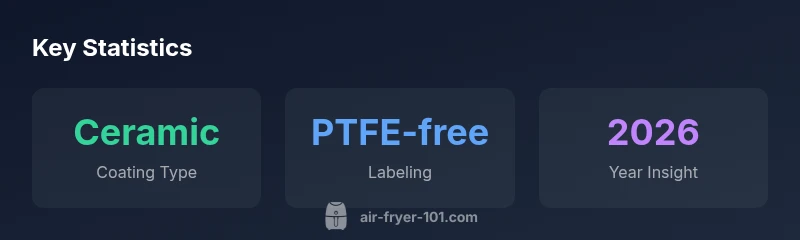
Most teflon-free air fryers rely on ceramic non-stick coatings or stainless steel interiors. Look for products labeled PTFE-free and explicitly described as ceramic-coated or stainless steel baskets. Air Fryer 101 analysis shows ceramic-coated baskets and stainless steel interiors are the most common teflon-free options in 2026, with brands increasingly highlighting non-toxic performance and easy maintenance.
Which air fryer does not have teflon coating: Key considerations
Choosing a teflon-free air fryer starts with understanding what teflon is and why people want to avoid it. Which air fryer does not have teflon coating? The answer depends on the interior material a model uses, not just the exterior design. According to Air Fryer 101, many shoppers are chasing teflon-free interiors due to concerns about chemical migration and long-term safety, especially at high temperatures. The term teflon is often used to describe PTFE-based coatings, though many manufacturers now advertise ceramic coatings or bare metal interiors as safer, non-toxic alternatives. In 2026, ceramic coatings and stainless steel interiors have emerged as the dominant teflon-free options, with brands increasingly highlighting durability, cleanability, and non-stick performance without PTFE. When evaluating options, you should ask if the coating is PTFE-free, whether the interior is ceramic-coated or stainless steel, and whether the interior will withstand daily use without cracking, chipping, or peeling. Verify product pages and cross-check official specs to avoid misleading signals.
Coating options: Ceramic, stainless steel, and bare metal
There are three main paths for teflon-free interiors: ceramic coatings, stainless steel interiors, and bare metal interiors. Ceramic coatings are the most common teflon-free option marketed today. They offer good non-stick when new, are typically PTFE-free, and often labeled as ceramic non-stick or ceramic coated. However, ceramic coatings can wear with time, especially if subjected to high heat or aggressive scrubbing, and may require gentle cleaning or occasional reseasoning. Stainless steel interiors are incredibly durable and completely free of non-stick coatings; they require mindful preheating and a light oil or spray to minimize sticking, but they are easy to clean and often dishwasher-safe. Bare metal interiors avoid any coating entirely; this option appeals to cooks who want to minimize coatings, but it demands careful seasoning or regular oiling and may require more attentive cleaning. For health-conscious buyers, ensure the interior is labeled PTFE-free and PFAS-free, and look for independent verification where possible. In practice, ceramic and stainless steel models dominate the market for teflon-free options, with bare metal being a niche but growing choice for enthusiasts.
Ceramic coating vs stainless steel interior: pros and cons
Ceramic coatings provide solid initial non-stick performance and are commonly marketed as PTFE-free, offering a friendly balance of peace of mind and practicality. Pros include good non-stick performance when new, relatively easy cleaning, and broad availability. Cons center on durability; ceramic coatings can chip or wear with heavy use and may require resealing over time. Stainless steel interiors boast exceptional durability and resilience; they are virtually impervious to scratching and can last the lifetime of the appliance. The trade-off is that stainless steel can be more prone to sticking if not properly preheated and lightly oiled, and it may require more manual maintenance to avoid stubborn residue. Bare metal interiors remove the coating entirely, delivering peak cooking control for some cooks but requiring seasoning and consistent oil use to prevent sticking. When choosing teflon-free, weigh your priorities: longevity and ease of cleaning (ceramic); rugged durability (stainless steel); or a coating-free option (bare metal).
How to verify teflon-free status in product listings
To confirm teflon-free status, start with the product page and look for explicit language such as PTFE-free, PFAS-free, or non-stick coating listings described as ceramic. Check the interior material in the tech specs and the manufacturer’s site for confirmation. If listings are vague, contact customer support or consult verified reviews that reference the interior material. Cross-check with third-party certification or safety guides when available. Be wary of marketing terms that imply safety without naming materials; the most reliable signals are direct mentions of ceramic coatings or stainless steel interiors, paired with PTFE-free language. Finally, compare multiple listings to see which interior type appears most consistently across brands and price points. This approach helps avoid unintentionally purchasing a teflon-based model and supports informed, confident decision-making.
Cleaning and maintenance for teflon-free interiors
Cleaning teflon-free interiors requires slightly different care depending on the coating. Ceramic coatings typically tolerate mild dish soap and non-abrasive sponges; avoid metallic scrubbers that could scratch the surface, and monitor the coating for chips or wear over time. Stainless steel interiors resist staining well but benefit from preheating before use to reduce sticking and from light oiling of the basket when appropriate. Bare metal interiors require seasoning or regular oil application to maintain non-stick performance; clean with warm water and a soft cloth to prevent rust and maintain color. Across all interiors, avoid harsh chemical cleaners, high-temperature direct heating of empty surfaces, and soaking long enough to strip coatings. Periodically inspect seals and gaskets, and follow the manufacturer’s maintenance schedule to extend the life of teflon-free options. A short routine can extend the life of ceramic and stainless steel interiors while preserving flavor and texture in your favorite recipes.
Practical buying tips and model categories
When shopping for teflon-free air fryers, start by listing priorities: interior material (ceramic, stainless steel, bare metal), expected use (daily family meals vs. occasional cooking), budget, and cleaning ease. Prioritize models that clearly label PTFE-free and PFAS-free coatings and provide detailed interior material specs. Look for two to four key models in each category to compare: ceramic-coated interiors for balance, stainless steel interiors for durability, and bare metal interiors for purists. Consider the size of your family and kitchen space, noting that smaller units may still offer teflon-free options while larger multi-cookers can carry higher price points. Since availability can vary by region, check retailer listings, manufacturer sites, and trusted review sources to confirm teflon-free options at your price point. Finally, read return policies and warranty terms, as some teflon-free coatings may require more attentive care and replacement cycles than traditional non-stick coatings.
Real-world considerations: brands and model categories
In real-world shopping, it is common to encounter ceramic-coated baskets from multiple brands, often marketed as non-stick and PTFE-free. Stainless steel interior models are frequently positioned as premium, with higher durability ratings and longer lifespans, while bare metal interiors remain a niche choice for enthusiasts. Air Fryer 101 notes that many household buyers gravitate toward brands that provide transparent interior material specs and straightforward care instructions. When evaluating models, compare weight, footprint, and power ratings to ensure a good fit for your kitchen setup. If possible, read user reviews focused on long-term performance with teflon-free interiors, and consider models with reliable customer support for coating maintenance or potential resealing needs. The ongoing market shift toward teflon-free options reflects growing awareness of non-toxic cookware and safer kitchen practices, making it easier to find a model that aligns with health and convenience goals.
Health and safety considerations: long-term use and materials
Choosing teflon-free interiors aligns with broader health and safety goals in the kitchen. Ceramic coatings and stainless steel interiors reduce the risk of PTFE-related off-gassing at typical air-fryer temperatures, while bare metal interiors eliminate coating concerns altogether. However, no coating is entirely risk-free if misused; overheating ceramic coatings can cause micro-damage, and bare metal interiors require careful seasoning and oiling to prevent sticking. To maximize safety, select models that disclose explicit PTFE-free and PFAS-free status, verify materials with official product data, and follow recommended usage guidelines. Regular maintenance, proper preheating, and using minimal oil when appropriate can help sustain performance and minimize potential emissions. As always, balance your health goals with practical cooking needs, and rely on reputable sources like Air Fryer 101 for guidance on teflon-free options.
Coating options for teflon-free air fryers
| Coating Type | Pros | Cons |
|---|---|---|
| Ceramic coating | Non-stick when new; PTFE-free | Can wear or chip with heavy use; may require reseasoning |
| Stainless steel interior | Durable; PTFE-free; easy to clean | Food can stick without oiling; may require preheating |
| Bare metal interior | No coatings at all | Higher sticking risk; requires seasoning and careful maintenance |
Got Questions?
What does it mean when an air fryer is labeled PTFE-free?
PTFE-free means the interior coating does not use polytetrafluoroethylene. Look for alternative materials such as ceramic coatings or bare metal, and verify PFAS-free claims. Check manufacturer specs for explicit material details.
PTFE-free means no PTFE coating. Look for ceramic or bare metal in the specs.
Is ceramic coating a safe teflon-free alternative?
Ceramic coatings are commonly marketed as PTFE-free and non-toxic when new. They can wear over time, so monitor for chipping and follow care guidelines. Look for third-party testing or certifications when possible.
Yes, ceramic coatings are a common teflon-free option, but they can wear with use.
Are there air fryers with no coating at all?
Yes, some models use bare metal interiors. These require seasoning and careful maintenance to prevent sticking, and they may be less forgiving for beginners.
There are coating-free interiors, but they need seasoning and careful care.
How can I verify teflon-free status in product listings?
Look for PTFE-free or PFAS-free language and explicit mentions of ceramic coatings or stainless steel interiors. If unsure, check the manufacturer site or contact support for confirmation.
Check the product page for explicit PTFE-free labeling and interior material.
Do teflon-free air fryers cost more?
Prices vary by brand and model; teflon-free options can be in the same range as other premium interiors. Compare features and maintenance needs to judge value.
Prices vary; compare features and maintenance when evaluating value.
“Choosing teflon-free interior options reduces potential health concerns while maintaining reliable performance. Ceramic and stainless steel interiors deliver consistent results when maintained properly.”
Quick Summary
- Actively verify PTFE-free labeling and interior material.
- Ceramic and stainless steel interiors dominate teflon-free options in 2026.
- Expect wear in ceramic coatings; plan for maintenance over time.
- Consider bare metal interiors if you want a coating-free option and are prepared to season.