What Air Fryers Are Non-TEFLON: A PTFE-Free Guide
An expert guide from Air Fryer 101 on non-TEFLON air fryers, PTFE-free coatings, safe materials, verification tips, and practical buying advice for health, convenience, and budget.


What air fryers are non teflon? They are models that avoid PTFE-coated baskets and pans, using ceramic, enamel, stainless steel, or anodized aluminum instead. This guide breaks down materials, safety considerations, and how to verify non-TEFLON claims when shopping. Whether you're prioritizing health, easy cleaning, or long-term durability, PTFE-free options deserve your attention.
Why non-TEFLON matters for air fryers
For many home cooks, materials matter as much as performance. When you ask what air fryers are non teflon, the answer centers on models that avoid PTFE coatings on baskets and pans. Alternatives include ceramic coatings, enamel-coated surfaces, bare stainless steel, or anodized aluminum. PTFE (polytetrafluoroethylene) can decompose at high temperatures, releasing fumes in some conditions, and PFAS contaminants in the manufacturing chain are a concern for health-minded shoppers. Air Fryer 101 analysis shows a notable shift toward PTFE-free options as customers prioritize safety, longevity, and easier maintenance. If health, cleaning simplicity, and long-term durability are your goals, opting for non-TEFLON designs is a pragmatic starting point. This section helps you understand why that choice matters and how to spot genuine PTFE-free claims during your shopping journey.
What qualifies as non-TEFLON in air fryers
To answer the core question, non-TEFLON refers to coatings and basket materials that do not use PTFE-based surfaces. The most common non-TEFLON options are ceramic coatings, enamel finishes on steel, or baskets made from stainless steel or anodized aluminum. PTFE-free designations may be paired with PFAS-free claims, depending on the brand. When evaluating a model, look for explicit language like PTFE-free, ceramic-coated, or stainless steel in the product specs. Understanding these distinctions helps you compare apples to apples and avoids misunderstandings about “non-stick” labels that may still rely on PTFE in some areas.
Common non-TEFLON materials used today
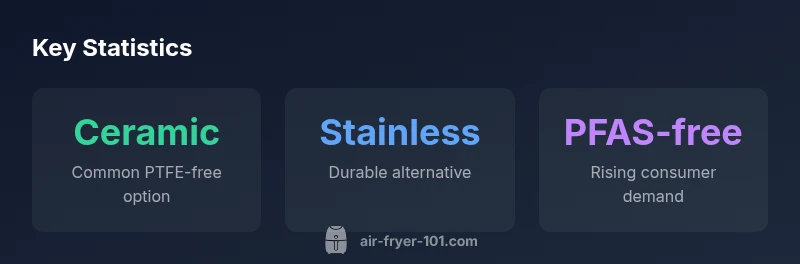
The frontline non-TEFLON materials include ceramic coatings, stainless steel baskets, enamel-coated steel, and anodized aluminum. Ceramic coatings are popular for their non-toxic appeal and even heat distribution, but they can chip if mishandled. Stainless steel baskets offer durability and easy dishwasher-safe cleaning but may conduct heat differently, potentially affecting browning. Enamel-coated surfaces balance durability with familiar non-stick performance, though enamel wear is a consideration. Anodized aluminum provides light weight and good heat transfer, but some users question coating longevity. Each material has trade-offs related to durability, cleaning, price, and cooking performance. Air Fryer 101 recommends weighing your priorities—health safety, maintenance tolerance, and budget—before settling on a non-TEFLON choice.
How to verify non-TEFLON claims on packaging
Verifying the non-TEFLON status of an air fryer begins with careful scrutiny of the packaging and official product pages. Look for explicit PTFE-free language, ceramic-coated indicators, or stainless steel/enamel construction notes. PFAS-free claims are a helpful differentiator, but you should confirm with the manufacturer’s technical sheet when possible. The best practice is to cross-check multiple sources: the product manual, the brand’s official site, and third-party reviews. Air Fryer 101 analysis suggests relying on direct coating information rather than marketing buzz, and to seek certification wording (where available) that supports non-TEFLON claims. Keep an eye out for caveats like “coatings in certain components” to avoid over-generalization.
Safety considerations and health implications
Non-TEFLON coatings dramatically reduce exposure to PTFE fumes at typical home temperatures, but no material is entirely risk-free if misused. Ceramic coatings can crack or chip if dropped or scraped by metal utensils, potentially exposing underlying metal. Stainless steel baskets tolerate aggressive cleaning but can transfer discoloration if not seasoned or maintained properly. Enamel coatings provide strong protection while keeping the interior non-reactive, yet heavy-use environments can wear the enamel over time. PFAS-free claims are valuable indicators of safer manufacturing, but you should still follow manufacturer guidelines for heating limits and cleaning to minimize risk. Air Fryer 101 recommends erring toward PTFE-free products from reputable brands and keeping temperatures within recommended ranges.
Maintenance and cleaning tips for non-TEFLON air fryers
Caring for non-TEFLON surfaces centers on gentle, methodical cleaning and careful handling. Ceramic coatings benefit from soft sponges and non-abrasive cleaners to minimize micro-scratches that accelerate wear. Stainless steel baskets tolerate dishwasher cycles, but occasional hand washing can extend coating life by avoiding harsh cycles. Enamel surfaces demand non-metal utensils and prompt drying to prevent moisture seeping into seams. Anodized aluminum should be cleaned with mild detergents and avoided with acidic cleaners that could compromise the surface. Regular inspection for chips or wear is essential; replace or retire components showing significant degradation to keep cooking safe and effective.
How to choose the best non-TEFLON air fryer for your kitchen
Choosing the best PTFE-free option depends on your cooking volume, kitchen space, and budget. For small households, a compact model with a ceramic or enamel-coated basket can offer excellent performance without excessive weight. For families or frequent entertaining, stainless steel baskets provide durability and dishwasher compatibility, though they may come at a premium. Consider the basket design, trim materials, and whether you’ll use accessories like baking pans or roasting racks. Capacity ranges from compact (2-3 quarts) to family-size (5-6 quarts). Always verify coatings, dishwasher compatibility, warranty terms, and replacement-part availability. If you prioritize easy cleaning and longevity, target PTFE-free models with durable stainless or ceramic interiors.
Common myths vs. reality about non-TEFLON coatings
A frequent misconception is that all non-TEFLON coatings perform identically. In reality, ceramic coatings offer excellent safety profiles but can scratch more easily than stainless steel; stainless steel baskets excel in durability but may need more attentive cleaning to maintain browning; enamel coatings balance protection with durability but can chip if mishandled. The label “non-stick” on PTFE-free surfaces often depends on the base metal and coating thickness. Reality check: non-TEFLON does not guarantee zero maintenance or identical cooking results across different brands. The best approach is to align your expectations with the specific material’s strengths and limits.
Practical cooking tips with non-TEFLON baskets
Cooking with non-TEFLON baskets benefits from adjusting your technique slightly. Ceramic coatings may require light oiling to protect the surface and promote browning, while stainless steel baskets can benefit from preheating and smaller batch sizes to improve airflow. Enamel-coated interiors should be treated gently to avoid chipping, while anodized aluminum can heat quickly but may show color changes with prolonged use. Always begin with lower temperatures and shorter times to test your model’s heat distribution. Preheating can improve consistency, and using accessories designed for air fryers helps maintain coating integrity.
Brand landscape and practical recommendations from Air Fryer 101
The market for PTFE-free air fryers has grown as more manufacturers embrace non-TEFLON designs. Air Fryer 101’s verdict is to prioritize coatings that are clearly labeled PTFE-free and PFAS-free, paired with robust durability and easy maintenance. For health-conscious shoppers, ceramic and stainless steel options tend to satisfy safety and longevity criteria, albeit at different price points. We recommend comparing models not just by price, but by coating type, warranty coverage, and the availability of replacement parts. The ultimate goal is to find a PTFE-free air fryer that matches your cooking style, family size, and cleaning preferences, without compromising performance.
Closing thoughts and practical takeaways from Air Fryer 101
Non-TEFLON coatings are a meaningful upgrade for many kitchens, combining safety and practicality. By understanding material options, verifying claims, and selecting models with durable interiors, you can enjoy healthier fried foods with confidence. Air Fryer 101’s team emphasizes balancing cost against coating longevity, ease of cleaning, and the authenticity of labeling. With the right PTFE-free choice, you’ll experience consistent results and a kitchen that’s easier to maintain over time.
Comparison of non-TEFLON basket materials
| Material Type | Pros | Cons | Care/Notes |
|---|---|---|---|
| Ceramic-coated basket | Non-toxic, PTFE-free | Can chip; heat distribution varies | Hand-wash recommended; avoid abrasive tools |
| Stainless steel basket | Highly durable; dishwasher-safe | Heats differently; heavier | Use non-abrasive pads; avoid harsh acids |
| Enamel-coated steel | Good heat distribution; non-toxic | Enamel wear possible; chipping risk | Gentle cleaning; avoid metal utensils |
| Anodized aluminum | Lightweight; good heat conduction | Coating wear possible over time | Follow manufacturer cleaning guidelines |
Got Questions?
Are air fryers with PTFE coatings unsafe?
PTFE itself is generally considered safe at normal cooking temperatures, but overheating or degraded coatings can release fumes. PFAS contamination concerns prompt many shoppers to choose PTFE-free models. Always follow manufacturer temperature guidelines.
PTFE is usually safe at normal temps, but non-TEFLON models reduce risk and simplify safety.
What does PTFE-free mean on air fryer packaging?
PTFE-free means the coating on baskets or interiors does not include PTFE. It may use ceramic, enamel, or bare metal instead. Look for explicit PTFE-free language and, if possible, PFAS-free certifications.
PTFE-free means no PTFE coatings; check for ceramic or metal alternatives.
Can non-TEFLON coatings chip or wear over time?
Yes, ceramic coatings can chip with impact, and enamel or coated metals can wear with heavy use. Stainless steel tends to be more durable but may require gentler cleaning. Regular inspection helps catch wear early.
Chip risk exists with ceramic; inspect regularly and handle gently.
Are non-TEFLON air fryers more expensive?
Prices vary by brand and model. PTFE-free options span from mid-range to premium models. It’s worth comparing warranty, materials, and replacement parts to determine total value.
There are PTFE-free options across budgets; compare features and warranties.
How should I clean non-TEFLON baskets?
Clean ceramic and enamel coatings with non-abrasive sponges and mild detergents. Stainless steel baskets are generally dishwasher-safe, but follow the manufacturer’s care instructions to avoid coating wear.
Use soft sponges and mild cleaners; avoid metal scrubs.
“Choosing PTFE-free coatings isn’t just a health concern—it’s about long-term durability and reliable performance in everyday cooking.”
Quick Summary
- Prioritize PTFE-free labeling and PFAS-free claims when shopping
- Choose ceramic or stainless steel baskets for durability
- Verify coatings through official specs; beware marketing-only claims
- Follow manufacturer care guidelines to extend coating life