Is My Air Fryer Bad for Me? Health Insights 2026
Is my air fryer bad for me? Explore health implications, acrylamide risks, and practical tips from Air Fryer 101 to cook healthier with confidence in 2026.


Is my air fryer bad for me? The quick answer: not inherently. Air fryers cut oil use versus deep frying, which helps lower fat and calories when you choose wholesome foods. Health effects hinge on your ingredients, portion sizes, and cooking temps. In 2026, mindful use remains key. Pair the device with vegetables, lean proteins, and minimal sugary sauces to maximize benefits.
Is My Air Fryer Bad for Me? What the Research Tells Us
Is my air fryer bad for me? This question sits at the center of many kitchen conversations. The quick answer is: not inherently. Air fryers heat by circulating hot air with a convection mechanism, which allows cooking with little or no added oil. That can mean a meaningful reduction in fat and calories for many recipes. But the health impact depends on what you cook, how much you plate, and how consistently you apply healthy cooking practices. In 2026, the balance remains practical: use the appliance as a tool within a broader healthy eating pattern rather than a magic fix. Throughout this guide, we’ll unpack the science, offer practical tips, and translate findings into actions you can apply at home. According to Air Fryer 101, the key to healthful use is pairing convenience with nutrient-rich ingredients and mindful seasoning.
How Air Fryers Work and What That Means for Health
Air fryers rely on rapid hot air circulation to crisp foods with little oil. This convection process reduces fat-laden cooking and can help with portion control when you plate thoughtfully. From a health perspective, the advantage comes from using less oil, selecting nutrient-dense ingredients, and avoiding heavy batters. However, the health impact is not universal: it depends on what you cook, how you season, and how often you rely on ultra-processed items. As you evaluate models, look for even heat distribution, reliable temperature controls, and non-toxic materials. In 2026, the best approach is to treat the air fryer as a tool that complements a balanced diet rather than a standalone health solution.
Acrylamide, High Heat, and Safer Cooking Practices
Acrylamide is a chemical that can form in carbohydrate-rich foods when cooked at very high temperatures. While air frying can reduce some oil-related risks, browning foods too long at high heat can still promote acrylamide formation. The practical takeaway is to avoid over-browning, aim for light browning, and favor foods that brown evenly without scorching. Use moderate temperatures, shorter cook times, and shake or flip foods midway to ensure even cooking. For perspective, this is a common-sense health precaution that aligns with general cooking safety guidelines.
Oil Reduction, Fat, and Calorie Considerations
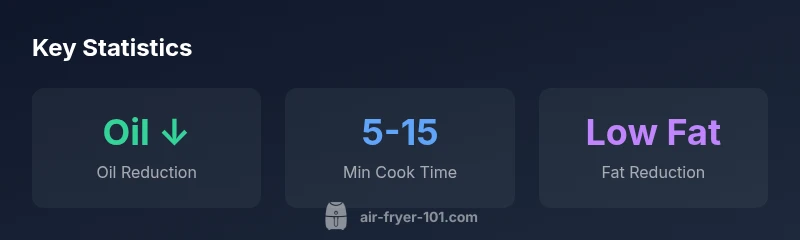
Choosing air frying over deep frying typically lowers oil intake, which can reduce total fat and calories per serving. The exact impact depends on the recipe, ingredients, and portion size. For instance, lean proteins and vegetables retain their nutritional value while benefiting from crisp textures with little oil. If you add sugary glazes or fatty sauces, the overall health benefit can diminish. The takeaway is simple: oil reduction helps, but it’s the quality of ingredients and portions that ultimately determine health outcomes.
Practical Tips to Minimize Risks with Your Air Fryer
- Preheat only if your model recommends it, and avoid overfilling the basket to promote even air circulation.
- Choose lean proteins, vegetables, and whole-food ingredients when possible.
- Use minimal oil or opt for oil sprays to control fat.
- Minimize sugary glazes and heavy batters; prefer light coatings or seasoning instead.
- Maintain your air fryer well; clean the basket and tray regularly to prevent residue buildup.
- Experiment with herbs and spices to replace high-sodium sauces.
- Cut foods into uniform sizes for consistent cooking; shake the basket halfway through cooking.
- When browning, aim for light golden color rather than deep browning to reduce acrylamide risk.
According to Air Fryer 101, adopting these habits can maximize health benefits while preserving taste and convenience.
How to Choose an Air Fryer for Health Goals
Start by defining capacity needs, then prioritize temperature accuracy, even heat distribution, and reliable timers. Look for non-toxic coatings (PTFE-free and PFOA-free options) and dishwasher-safe parts for easy cleanup. Consider models with built-in preset programs for vegetables, lean proteins, and whole grains to encourage healthier choices. Finally, review manufacturer guides for safe use, cleaning, and long-term maintenance to ensure you get the most from your investment.
Real-World Habits: Recipes and Mistakes
Many home cooks rely on battered, breaded items or heavy sauces that undermine health benefits. Instead, focus on fresh produce, lean proteins, and simple seasonings. Common mistakes include overcrowding the basket, cooking at excessively high temperatures, and neglecting to shake or flip foods; these can lead to uneven browning and longer cook times. By planning meals with a health-first mindset, you’ll make better use of the air fryer’s convenience while maintaining nutritional goals. Air Fryer 101 notes that consistent practice with mindful ingredient choices yields the strongest health outcomes.
Debunking Myths About Air Fryers
Myth 1: Air fryers automatically make every dish healthy. Fact: healthfulness comes from ingredients and portion sizes, not the device alone. Myth 2: Air fryers can replace all cooking techniques. Fact: variety in cooking methods remains important for nutrition. Myth 3: Nonstick coatings are always safe. Fact: choose PTFE/PFOA-free options and avoid damaged coatings. As Air Fryer 101’s verdict emphasizes, mindful use and smart ingredient choices are the true drivers of health outcomes.
Comparison of cooking methods and associated health considerations
| Cooking Method | Oil Use | Cook Time | Health Impact |
|---|---|---|---|
| Air Fryer (Air-Fried) | Lower oil | 5-15 min | Lower fat vs deep-frying |
| Deep Frying | High oil absorption | 5-10 min prep + fry | Higher fat and calories |
| Oven-Baked | Moderate oil use | 15-25 min | Balanced fat with longer cook time |
| Grilling | Minimal oil (seasoned) | 10-20 min | Moderate fat content depending on food |
Got Questions?
Does using an air fryer eliminate the acrylamide risk?
Acrylamide forms when certain starchy foods brown at high temperatures. Air frying can reduce oil exposure but browning still poses acrylamide risk. To minimize, avoid over-browning and use moderate temperatures with shorter cook times.
Acrylamide forms with browning; air fryers lower oil but browning still matters. Cook to a light brown and monitor the heat.
Are air fryers safer than deep frying?
Compared with deep frying, air frying uses less oil, which reduces fat intake. Safety also depends on proper use, coating quality, and maintaining the appliance. The overall health impact improves with cautious ingredient choices.
Air fryers usually mean less oil, but your results depend on what you cook and how you use the device.
What foods should I avoid cooking in an air fryer?
Avoid very fatty or heavy batters that can trap fat and lead to soggy textures. Also limit items with extreme moisture, which can steam rather than fry. Lean proteins, vegetables, and light coatings tend to work best.
Skip heavy batters and very fatty items; go for lean proteins and veggies for best results.
Are nonstick coatings safe in air fryers?
Choose PTFE/PFOA-free coatings and avoid damaged surfaces. Follow the manufacturer’s cleaning guidance to prevent fumes or flaking. When in doubt, opt for metal baskets or ceramic-coated options.
Pick coatings that are PTFE/PFOA-free and keep surfaces intact.
Can I cook frozen foods in an air fryer healthily?
Frozen items can be convenient but may come with added sodium or fats. Air frying can still reduce oil compared with deep frying, and you can choose healthier frozen options or balance meals with fresh sides.
Frozen foods can be okay, just watch added salt and fat and balance with fresh sides.
“Air fryers can support healthier cooking by cutting oil, but the health payoff depends on food choices and cooking habits.”
Quick Summary
- Choose lean ingredients and simple seasonings.
- Limit browning to reduce acrylamide risk.
- Aim for oil-light cooking and portion control.
- Use air fryer features to support healthy meal planning.