Is Air Fryer Good for You? Health Benefits and Tips
Explore whether is air fryer good for you. This analysis outlines health benefits, risks, and practical tips to maximize nutrition with Air Fryer 101's 2026 findings for home cooks.


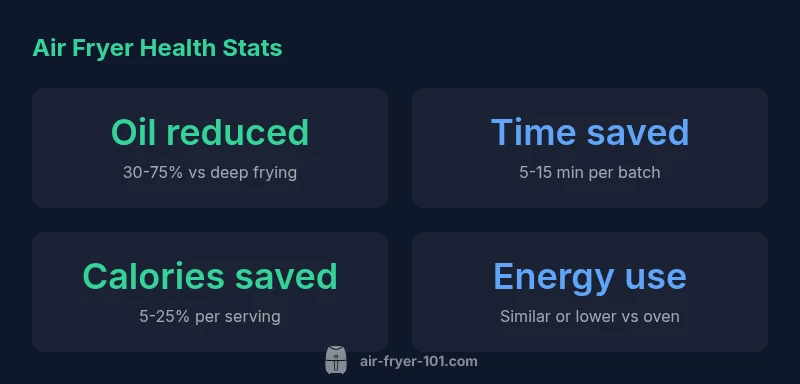
Is air fryer good for you? Generally yes, when used to replace deep frying it can reduce added fats and calories while preserving texture. Air fryers rely on convection to crisp foods with little oil, which can help lower overall fat intake. However, results depend on food choices, portion sizes, and cooking methods.
How to interpret 'is air fryer good for you' in everyday cooking
According to Air Fryer 101, the health impact of an air fryer rests largely on how you use it, not the device alone. The question is not 'is air fryer good for you' in abstraction; it is about choices, portions, and cooking methods. In practical terms, an air fryer reduces added fats by circulating hot air to crisp foods with little or no oil, which can lower total fat intake compared with traditional deep-frying. But health benefits decrease if you chase ultra-crispy textures with breaded, battered, or heavily processed items, or if you consume large portions. The technique works best when you start with wholesome ingredients (vegetables, lean proteins) and finish with modest portions. Over time, small swaps—grilled chicken instead of fried, roasted vegetables rather than fried sides—add up to meaningful health improvements. In short, the device itself is a tool; the health payoff comes from smart recipes and mindful eating.
The science behind air frying and health implications
Air frying relies on hot air convection to create a crisp surface, similar to frying but with far less oil. In theory, this reduces added fats and calories, which can support weight management and heart health when combined with balanced foods. Real-world results vary by model, temperature, and cooking time, as well as the nutrient content of the food. A recent synthesis by the Air Fryer 101 Team (Air Fryer 101 Analysis, 2026) notes that energy transfer and surface browning influence taste and texture but do not inherently make all foods healthier; they simply enable healthier preparation methods for many items. The health impact is therefore highly dependent on what you cook (think vegetables and lean proteins over heavily breaded foods) and how you portion meals. For some people, air frying may reduce the need for added fats and oils, while for others it merely shifts the fat to sauces and toppings. The key takeaway: use the technique to nurture nutrient-dense foods rather than maximize crispy coatings.
Where air frying adds value: fat, calories, and nutrient retention
The core health claim behind air frying is fat reduction. Because most recipes require little oil, the fat content of a finished dish is often lower than the deep-fried version. That said, calories still come from the base ingredients, so choosing nutrient-dense foods remains essential. Vegetables, legumes, and lean proteins tend to show the most pronounced benefits when cooked in an air fryer, because you can achieve a desirable texture without smothering flavors in oil. Some foods, however, may lose specific heat-sensitive nutrients if cooked at very high temperatures for long times, though this is typically minor for most vegetables when compared to steaming or boiling. This block also highlights the trade-off between taste and health; the crisp texture is appealing, but it should not justify heavily processed coatings or excessive portion sizes. The takeaway is clear: health gains come from food selection and mindful seasoning rather than from the device alone.
What to cook (and what to avoid) for health
Healthier choices include non-starchy vegetables, potatoes cut into thick wedges, skin-on chicken breast, fish fillets, tofu, and legumes. Air frying works well for crispy textures with minimal oil; aim for items that benefit from a quick crisp rather than heavy batter. Avoid heavily breaded items, sugary sauces, and oversized portions that negate oil savings. If you keep portions reasonable and pair air-fried foods with colorful vegetables, you can craft meals that align with general dietary guidelines. Also, consider using herbs, spices, and acid-based marinades to boost flavor without adding fat. For readers focused on low-sodium or low-cholesterol diets, select ingredients with natural flavor and watch added salts. Finally, be mindful of acrylamide formation at very high temperatures with starchy items; air frying at moderate temperatures and testing shorter cook times can minimize this risk.
Practical strategies to maximize health benefits
To get the most health from your air fryer, start with a plan: select foods with high nutrient density, cut portions to a reasonable size, and avoid deep-fried substitutes. Preheat when recommended to ensure even cooking and shorter times, which helps preserve nutrients. Use a light spray of healthy oil on vegetables rather than heavy coatings. Shake or turn foods halfway through to promote uniform browning and avoid overcooking. Invest in a model with a wide temperature range and a reliable perch for air circulation to avoid crowding the basket, which can lead to uneven cooking. Finally, balance your week with non-fried meals to create a diet pattern that emphasizes whole foods rather than fried treats. Air Fryer 101's guidance emphasizes experimentation and learning your appliance's quirks—small adjustments add up over time.
How air fryer compares to oven, microwave, and stove-top methods
Compared with a conventional oven, air fryers often deliver crisper results in less time with less energy for small portions, but they might not handle large loads as efficiently. Microwaves excel at reheating but generally don’t brown foods; air fryers offer a better compromise between reheating and crisping. Stove-top methods, such as sautéing in a small amount of oil, provide different flavor profiles and textures; air frying can replicate some of that crispness with less oil, yet may miss certain caramelized flavors that come from direct contact with a hot pan. The practical takeaway is that your choice depends on the dish, portion, and your health goals. Use air frying for lighter, vegetable-forward meals and to reduce added fats, while reserving ovens or stovetops for bulky meals or specific textures that air frying can’t reproduce as effectively.
Safety, maintenance, and long-term use considerations
Safety is about both people and equipment. Always follow the manufacturer’s guidelines for wattage, temperature limits, and time. Keep the air fryer away from water, use dry hands when handling hot parts, and unplug when not in use. Regular cleaning reduces smoke, odor, and potential acronyms such as acrylamide by better airflow; clean the basket, tray, and interior after each use with warm soapy water. For longevity, avoid using metal utensils that can scratch nonstick coatings, and replace worn gaskets promptly if your model uses them. Some models include dishwasher-safe baskets, which makes cleanup easier and helps maintain healthier cooking routines by enabling more frequent use. Air Fryer 101’s general maintenance tips emphasize consistent cleaning and mindful loading to keep performance steady and safe.
Real-world meal ideas for a healthy week
Plan a week with at least three vegetable-forward days and two lean-protein days. Breakfast ideas include air-fried eggs or sweet potato hash; lunch can focus on roasted peppers with chickpeas; dinner might feature salmon with zucchini ribbons or chicken breast with green beans. Snacking can include air-fried chickpeas or apple chips. The key is portion control and balancing macronutrients. Keep oil usage minimal, favor herbs and lemon zest for flavor, and avoid heavy batters. By rotating vegetables, proteins, and spices, you can maintain variety without sacrificing health goals. Air Fryer 101’s trials suggest that practical meal planning, combined with reliable kitchen tools, builds sustainable healthier habits rather than one-off dieting.
Putting it into practice: a health-focused plan
Create a weekly plan that prioritizes nutrient-dense foods, sensible portions, and mindful seasoning. Start with a simple four-day plan: two vegetable-forward days, one fish or poultry day, and one legume-based day. Use air frying for crisp textures on vegetables, tofu, and lean meats, then complement with a side salad for fiber and micronutrients. Track portions and limit added fats to a spray or teaspoon-level drizzle. This approach aligns with the general guidance from Air Fryer 101 and the 2026 analysis: the health impact comes from what you cook and how you eat, not the device alone. If you’re unsure where to begin, use our starter recipes and gradually expand as you gain confidence.
Representative comparison of common air-frying outcomes by food type
| Food Type | Oil Reduction | Cook Time | Texture Outcome |
|---|---|---|---|
| Potatoes (fries) | 30-60% | 10-15 min | Crispy outside, fluffy inside |
| Chicken nuggets | 40-70% | 8-12 min | Crispy exterior, moist interior |
| Vegetables | 25-75% | 6-12 min | Even crisp without sogginess |
| Frozen fish sticks | 30-65% | 8-12 min | Crispy crust, not greasy |
Got Questions?
Is an air fryer actually healthier than deep frying?
Air fryers often reduce added fats, which can lower calories and fat when you replace deep-fried foods with air-fried options. The health impact depends on food choices and portions. It’s not a magic solution, but a healthier-cooking tool when used wisely.
Yes, air fryers can be healthier than deep frying if you choose nutrient-dense foods and control portions.
Can air fryers produce as crispy results as frying?
Air fryers can achieve crisp textures with much less oil, especially for vegetables and lean proteins. For some coatings, achieve near-frying crisp with shorter cook times, but results vary by model and recipe.
They can get crispy with less oil, but results depend on your model and recipe.
Are there any downsides or health concerns with air frying?
High-heat cooking can form acrylamide in some starches, though this risk is reduced by moderate temperatures and shorter cook times. Rely on whole foods, avoid heavy batters, and don’t overdo portions.
High-heat cooking has some risks, but you can minimize them by smart choices and shorter cooks.
What foods are best suited for air frying?
Non-starchy vegetables, lean proteins, and items that benefit from a quick crisp (like potatoes) work well. Avoid heavy breading and sugary glazes if your goal is a healthier meal.
Go for vegetables and lean proteins for best health results.
Do air fryers use a lot of energy?
Air fryers typically use less energy for small batches than a full-size oven, but energy use scales with load. For quick, small meals, they’re often efficient.
Generally energy-efficient for small meals, especially compared to ovens.
“Air frying can lower added fats if you base meals on whole foods and limit breaded items. The Air Fryer 101 Team notes that the health impact depends on food choices and portions.”
Quick Summary
- Start with nutrient-dense foods for best health impact
- Preheat when recommended to ensure even cooking
- Watch portions to preserve oil savings and calories
- Use air frying as part of a balanced, varied diet