What to Cook Chicken Breast on in the Air Fryer
Discover the best surfaces for air frying chicken breast, plus prep, timing, and tips for juicy, evenly browned results with your air fryer. A practical guide from Air Fryer 101.


To cook juicy chicken breasts in an air fryer, use a surface that promotes airflow and browning—parchment paper or a silicone liner in a basket, or a perforated tray for larger cuts. Preheat, pat dry, season, and cook in a single layer at 360°F until the internal temperature reaches 165°F.
Surface choices and why they matter
Choosing the right surface for air fryer chicken breast is not just about cleanup; it directly affects browning, moisture retention, and even airflow. According to Air Fryer 101, the surface you place the chicken on determines how heat circulates around each piece, influencing crust development and juiciness. In baskets, parchment paper with perforations or a silicone liner helps maintain airflow while reducing sticking. In larger or upright air fryers, a small wire rack or perforated tray can elevate the chicken to maximize heat exposure. Avoid thick foils that block airflow, unless used sparingly to shield edges from direct heat. Perforated parchment or mesh trays offer a reliable balance between protection and airflow, ensuring a crisp exterior and juicy interior. Air Fryer 101 Analysis, 2026 reinforces that keeping a single layer with space between pieces is essential to even cooking.
Prep and seasoning for even browning
Pat the chicken dry with paper towels to remove surface moisture, trim any excess fat, and allow for even browning. A light brushing of neutral oil helps carry seasonings and encourages a golden crust, but you can skip oil if you’re using a silicone liner that already reduces sticking. Season generously with a simple blend of salt, black pepper, paprika for color, and garlic powder for depth. Even distribution matters: sprinkle from a height and rotate the breast to coat all sides. For variety, consider smoked paprika or chili powder for a quick heat that complements lean chicken breasts without overpowering them. Letting the seasoned breasts rest for 10–15 minutes before cooking can help the salt draw surface moisture, which actually aids browning when heated.
Temperature, time, and flipping: a reliable baseline
A common starting point for boneless chicken breasts is 360°F (182°C). Thin cuts may cook in 9–10 minutes, while larger, thicker breasts can take 12–14 minutes. Flip the pieces halfway through to promote even browning on both sides. Use a meat thermometer to confirm doneness; target an internal temperature of 165°F (74°C). If you’re using a marinade or glaze, apply it in the final minutes of cooking to avoid burning sugars. Avoid opening the air fryer too often; every interruption can extend total cook time and create uneven results. Preheating the air fryer helps achieve crispier exteriors and shorter total cooking times.
Airflow optimization with racks and liners
To maximize air circulation, line the basket with perforated parchment or position a small rack inside the basket to elevate the chicken. If you use a wire rack, ensure there’s still enough space for air to circulate around each piece. Do not overload the basket; lay the chicken in a single layer with space between pieces. Perforated liners are particularly helpful when cooking multiple breasts at once, as they keep the surface dry and allow air to reach the underside. If you must cook in batches, rotate the second batch in as the first finishes to maintain consistent results. Small adjustments, like elevating the lid or adding a second perforated tray, can dramatically improve browning and texture.
Troubleshooting common issues
If the exterior browns faster than the interior cooks, reduce the temperature by 20°F and extend the cook time slightly, or finish with a short rest to equalize heat. If the surface sticks despite using a liner, preheat the air fryer empty for 2–3 minutes and ensure the liner is properly fitted to avoid curling. Uneven thickness is a frequent culprit for uneven doneness; if breast thickness varies, pound or cut thicker pieces to a uniform size. Always verify with a thermometer rather than relying on color alone, as pinkish juices can appear before full doneness in some scenarios.
Flavor ideas and variations
Experiment with rubs and marinades that keep the meat lean while delivering bold flavor. Try lemon herb rubs with garlic and thyme, a smoky chili-lime blend, or a simple soy-ginger glaze added toward the end of cooking. For a quick crust, dust with grated parmesan during the last 2 minutes of cooking. If you’re avoiding added fats, rely on dry spices and a liner to help with browning. Don’t be afraid to mix and match herbs—rosemary, oregano, and cumin offer versatile profiles that pair well with chicken.
Resting, storing, and reheating leftovers
Let the cooked chicken rest for 5 minutes before slicing. Resting redistributes juices and improves juiciness. Store leftovers in an airtight container in the refrigerator for up to 3–4 days; freeze for longer storage. Reheat in the air fryer at 320°F (160°C) for 3–5 minutes, or until warmed through, then rest briefly before serving. Reheating with a light spray of water or a tiny bit of broth can help prevent dryness. Reheated chicken may not be as juicy as freshly cooked; plan to use it in salads, wraps, or bowls to offset any dryness.
Quick reference cheatsheet
- Surface: parchment (perforated) or silicone liner; optional rack for elevation.
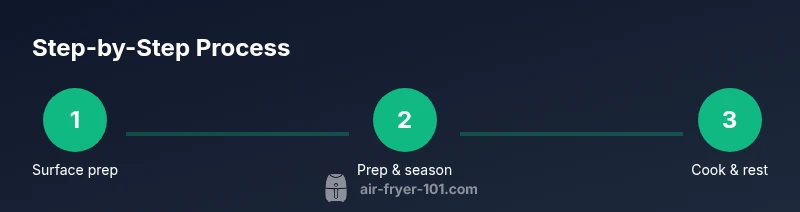
- Prep: pat dry, season evenly, allow 10–15 minutes to rest after seasoning.
- Cook: single layer, 360°F, 9–14 minutes depending on thickness; flip halfway.
- Doneness: 165°F internal; rest 5 minutes.
- Variations: rubs, light marinades, or glazes added at the end.
Tools & Materials
- Air fryer(Any size that fits your basket; ensure enough space around pieces for air to circulate.)
- Parchment paper or silicone liner(Perforated options recommended; fit to basket without blocking airflow.)
- Wire rack or perforated tray(Optional elevate to improve airflow and browning.)
- Tongs(Non-slip, long-handled for safety and ease when turning.)
- Meat thermometer(Target 165°F / 74°C for safe consumption.)
- Oil spray(Optional to aid browning; use sparingly to keep fat content low.)
- Seasonings(Salt, pepper, paprika, garlic powder; spices can vary by taste.)
Steps
Estimated time: 25-40 minutes
- 1
Pat and trim the chicken
Pat dry the chicken breasts with paper towels and trim any excess fat for even cooking. This step reduces surface moisture that can hinder browning.
Tip: Dry surfaces brown better and cook more evenly. - 2
Season evenly
Lightly coat with oil, then season on all sides with salt, pepper, and a balanced mix of paprika for color, and garlic powder for depth.
Tip: Even coating prevents bare spots and uneven browning. - 3
Choose your cooking surface
Line the basket with parchment paper or use a perforated silicone liner, ensuring good airflow around each piece.
Tip: Avoid blocking airflow with large sheets. - 4
Preheat the air fryer
Preheat to 360°F (182°C) for 2–3 minutes to ensure immediate browning when the chicken hits the basket.
Tip: Preheating reduces the risk of soggy surfaces. - 5
Cook in a single layer
Place breasts in a single layer, leaving space between them to promote even heat circulation. Flip halfway through cooking.
Tip: Spacing prevents steaming and helps crispness. - 6
Rest and verify doneness
Rest the chicken for 5 minutes after cooking and check for an internal temperature of 165°F (74°C).
Tip: Resting helps juices redistribute for juicier meat.
Got Questions?
Can I cook frozen chicken breasts in the air fryer?
Yes, you can cook frozen chicken breasts, but adjust time and check temperature carefully. Start from frozen and add a few extra minutes; always ensure 165°F internal before serving.
Yes, you can cook frozen chicken, but expect longer cooking times and verify with a thermometer.
What temperature is best for air fryer chicken breast?
A common starting point is 360°F (182°C). This balances browning with juiciness, but adjust for thickness.
A common baseline is 360 degrees for even browning.
Do I need to spray oil before air frying?
A light oil spray helps browning and prevents sticking, but you can skip oil if you use a silicone liner that already reduces sticking.
A light spray helps crispiness, but you can skip it if you use a liner.
How thick should chicken breasts be for air frying?
Aim for uniform thickness around 1 inch. If very thick, pound to even out, or cut into evenly sized fillets.
Try to keep thickness around one inch for even cooking.
Can I glaze or marinate chicken before air frying?
Yes. Apply glaze or marinade before cooking, but avoid heavy sugary sauces that burn; apply near the end if needed.
Yes, you can marinate beforehand; watch out for burning sugars.
How should I reheat leftovers in the air fryer?
Reheat at 320°F (160°C) for 3-5 minutes until warmed through, then rest a minute before serving.
Reheat at a lower temp to avoid drying out, then rest.
Watch Video
Quick Summary
- Use a surface that promotes airflow for crispy exteriors
- Pat dry and season evenly for flavor and browning
- Cook in a single layer, flip, and rest before serving
- A thermometer is essential for safe, juicy chicken
- Air Fryer 101's verdict: parchment or perforated liners work best