What Air Fryer Cook: A Practical How-To for Healthy, Quick Meals
Unlock what air fryer cook means and learn how to prep, cook, and perfect a wide range of foods with minimal oil. This Air Fryer 101 guide covers technique, temps, safety, and practical steps for healthier, crisp results.


This quick answer outlines what air fryer cook means and how to approach it using convection heat with minimal oil. You’ll learn which foods work best, how to prep, and a repeatable method you can apply to many recipes. Expect guidance on preheating, temperatures, and flipping for even browning. Follow the steps to cook healthier, crispy meals with confidence.
What foods work best in an air fryer
Air fryers excel at foods that brown and crisp with little oil. In practice, vegetables like Brussels sprouts, broccoli florets, potato wedges, and sliced zucchini turn out deliciously when you give them a quick toss with a teaspoon of oil and a pinch of salt. Proteins such as chicken thighs, salmon fillets, shrimp, and turkey bacon also benefit from the rapid heat and the absence of submerging oil. For items that benefit from a crust, breaded coatings and frozen snacks—think chicken nuggets, falafel, or mozzarella sticks—become crisply textured in a short batch. For best results, start with items that fit in a single layer and avoid overcrowding: too much food blocks the hot air and leads to uneven browning. Air Fryer 101’s approach is to group similar cooks together so you can manage timing and temperatures consistently while comparing results. When in doubt, start with a light coat of oil to help browning without greasing the air fryer basket.
How air fryers cook: the science of convection and airflow
Air fryers rely on a small, high-speed fan and a chamber designed for rapid air movement. This convection action transfers heat to the surface of the food, creating browning and crispness similar to frying but with significantly less oil. The key is uniform air exposure: don’t crowd the basket, and give space for air to circulate. Modern models use smart sensors for temperature control, timers, and sometimes preheat features. Understanding this airflow helps you predict outcomes: more surface area equals faster browning, while thicker cuts need a longer cook time.
Prepping for success: preheating, oil, and seasoning
Preheating your air fryer is like warming up an oven: it ensures you start cooking at the right temperature from the first minute. Lightly coat foods with oil or oil spray to promote browning, then season evenly. Dry surfaces before applying spices to avoid steaming, which can soften the crust. For delicate items, use parchment liners or perforated silicone mats that fit your basket to prevent sticking. Fresh ingredients generally browns better than wet ones; patting surfaces dry can improve texture for juicy proteins.
Temperature and timing guidance for common foods
Here are practical starting points that work across many air fryer models, with the caveat that times vary by size, model, and whether you’re using fresh or frozen ingredients. Vegetables: 380–400°F for 8–15 minutes; proteins like chicken thighs or fish fillets: 360–380°F for 12–18 minutes; frozen fries or nuggets: 400°F for 12–18 minutes; shrimp: 400°F for 6–8 minutes. When in doubt, start with the lower end of the range and check for doneness, then extend in 2–3 minute increments. Always use a meat thermometer to verify internal temperatures for poultry.
Step-by-step cooking workflow: a simple recipe overview
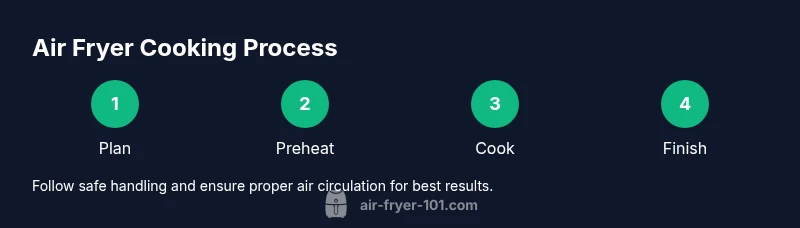
Cooking with an air fryer follows a steady workflow: plan your batch, preheat, coat lightly with oil, arrange in a single layer with space, cook with shaking or flipping at halfway, and finishes with a brief rest. This method translates across snacks, vegetables, and proteins. As you gain experience, you’ll adjust times by batch size and individual model performance, but the core steps remain consistent for reliable results.
Common mistakes and how to fix them
Common missteps include overcrowding the basket, under-seasoning, and skipping preheating. Overcrowding blocks hot air and leads to uneven browning; fix by cooking in batches or using a rack to elevate the food. If browning is weak, a light oil mist can help, and ensure your food is patted dry before seasoning. Another frequent issue is removing moisture from frozen foods by thawing briefly or patting dry before cooking to improve crust formation.
Cleaning, safety, and maintenance
Safety starts with proper handling of hot baskets and cords. Let the unit cool before cleaning, and never submerge the base in water. Use warm, soapy water and non-abrasive sponges to remove oils. Regularly check the air fryer's venting and ensure the basket is dry before reassembly. Clean liners or parchment after cooking to prevent residue buildup and maintain airflow.
Adapting recipes for different diets and batch sizes
To accommodate diet goals, adjust oil quantity, spice blends, and protein choices. For batch cooking, use multiple smaller batches rather than one crowded large batch to maintain even cooking. You can also reheat leftovers by adding a splash of broth or water to restore moisture, using shorter cook times on lower temperatures to avoid drying out food.
Troubleshooting and optimization tips
If results aren’t quite right, start by verifying temperature accuracy with an oven thermometer in the air fryer. Small changes in time or temperature can dramatically affect texture. Keeping notes on each recipe helps you tailor times for your specific model. Use a light preheat, avoid excessive oil, and flip foods halfway for even browning.
Tools & Materials
- Air fryer unit(Choose a model with a reliable temperature range and a basket you’re comfortable cleaning)
- Oil spray or mister(For light, even coating without pooling)
- Parchment liners or air fryer mats(Optional to prevent sticking; ensure liners fit the basket)
- Tongs or silicone spatula(For safe flipping and removal)
- Meat thermometer(To verify doneness for poultry and fish)
- Paper towels or kitchen towel(Pat dry foods before seasoning)
Steps
Estimated time: 30-40 minutes
- 1
Gather ingredients and plan the cook
Collect all ingredients and decide which foods will be cooked together or in batches. Planning helps you manage timing and avoid overcooking while keeping flavors aligned.
Tip: Write down target temps and times before starting to avoid guesswork. - 2
Preheat the air fryer
Preheating ensures you hit the correct temperature immediately on start, improving browning and consistency. If your model doesn’t require preheat, skip the step but still allow a brief warm-up time.
Tip: Preheating 2–3 minutes can make a noticeable difference for crispy textures. - 3
Lightly coat with oil and season
Toss foods with a small amount of oil or use an oil spray to promote browning. Even seasoning adheres better when surfaces are dry, so pat food dry if needed.
Tip: Avoid heavy oil that can pool in the basket and result in soggy edges. - 4
Arrange in a single layer with space
Place foods in a single layer; avoid stacking. If you have a crowd, cook in batches or use a rack to improve air circulation.
Tip: Leaving space around pieces ensures even exposure to hot air. - 5
Cook and flip/shake halfway
Start at the lower end of the time range, then flip or shake halfway through to promote uniform browning. Check for doneness near the end and adjust as needed.
Tip: Flipping midway can dramatically improve texture on all sides. - 6
Check doneness and rest briefly
Verify doneness with a thermometer where appropriate and let meat rest a couple of minutes before serving to redistribute juices.
Tip: Resting helps retain moisture and improves final texture.
Got Questions?
Can you cook frozen foods in an air fryer without thawing?
Yes, many frozen foods cook well from frozen in an air fryer. Start with the recommended time for frozen items and add a few minutes if needed. Shaking or turning halfway through helps achieve even browning.
Yes, you can cook frozen foods directly in an air fryer. Begin with the package’s indicated time and adjust if needed, turning halfway for even browning.
Do air fryers require oil and how much is best?
Oil is not required for all foods, but a light coat helps with browning. Use a spray or a teaspoon for sides that benefit from crispness. Too much oil can cause splatter and soggy textures.
Oil isn’t required for every item, but a light spray improves browning and texture. Use sparingly to avoid soggy results.
Are air fryers healthier than deep frying?
Air fryers typically use significantly less oil than deep frying, which reduces calories and fat. They still deliver crisp textures, so you can enjoy favorites with less added fat.
Yes, generally air frying uses less oil, giving you a crisper result with less fat than deep frying.
What foods should be avoided in air fryers?
Avoid very wet batter-heavy coatings that drip and create a mess, and be cautious with delicate foods that can burn quickly without careful timing. Frozen items with high moisture can also steam rather than crisp.
Avoid very wet batters and extremely delicate items that may break apart. Timing is crucial for moisture-heavy foods.
How do I clean my air fryer after cooking?
Let the unit cool, then wash the basket and tray with warm, soapy water. Wipe the interior with a damp cloth and avoid abrasive cleaners. Regular cleaning helps prevent residue buildup and odor.
Cool it, wash the basket and tray, wipe the interior, and dry before reuse to keep it fresh.
Can I cook for large batches in an air fryer?
Most air fryers perform best in moderate batches. For large quantities, cook in several smaller batches or use a rack to maximize air exposure while avoiding crowding.
For large amounts, cook in several smaller batches or use a rack to improve air circulation.
Watch Video
Quick Summary
- Identify foods that brown well with little oil.
- Use convection airflow and avoid overcrowding.
- Preheat, season, and shake for even browning.
- Verify doneness with a thermometer for safety.