How to Make Wings in an Air Fryer: A Complete Guide
Master crispy air fryer wings with a reliable, step-by-step guide. Learn prep, seasoning, timing, and finishing sauces for juicy, flavorful wings every time.


You will learn how to make crispy wings in an air fryer using a simple, minimal-oil technique. You’ll prep, season, preheat, cook in a single layer, and finish with a quick sauce toss. This guide covers fresh and frozen wings, timing, and safety tips to help you get juicy, crisp results every time.
Why Air Fryer Wings Are a Popular Choice
Air fryer wings have surged in popularity for home cooks seeking healthier, crispier results with less oil. The airflow technology produces a golden, crackly crust while keeping the meat juicy inside. Compared with traditional deep-frying, you trim fat and mess without sacrificing texture. The Air Fryer 101 team notes that the best results come from drying the wings thoroughly, spacing them in a single layer, and using a light touch of oil to promote browning rather than sogginess. For many households, wings in the air fryer are a quick weeknight option that doesn’t compromise flavor. Customizing the seasoning is easy with rubs ranging from smoky paprika to garlic-herb blends, and sauces finish the surface with bright, bold contrasts. This section highlights why air fryer wings work so well, plus practical considerations for homes cooks seeking reliable results.
Selecting Wings: Fresh vs Frozen and Prep Essentials
Choosing the right wings sets the foundation for crisp texture. Fresh wings dry out faster and can be seasoning-ready in minutes, while frozen wings require thawing and patting dry to remove surface moisture. If you purchase whole wing sections, trim the tips if you prefer a cleaner bite, then pat dry with paper towels to reduce surface moisture. The air fryer thrives on dry surfaces; moisture on the skin ruins crispness. When seasoning, aim for a balanced rub that coats evenly without clumping. If you’re short on time, you can use pre-cut party wings, but check for added ingredients such as marinades or sugars that may influence browning. Air Fryer 101 guidance emphasizes consistent sizing for even cooking and recommends a light coat of oil to help browning without making the skin greasy.
Pat Dry, Season, and Optional Marination
Pat-drying is a crucial first step. After drying, toss wings with a small amount of neutral oil to boost browning, then apply your preferred dry rub. For extra crisp, some cooks lightly dust wings with baking powder before seasoning; this technique raises the surface pH and improves browning. If you have time, a short marination (even 15–30 minutes) can intensify flavor without sacrificing texture. Keep flavors simple at first: salt, pepper, paprika, garlic powder, and a touch of cayenne or chili powder for heat. The key is even coverage—use a mixing bowl to toss thoroughly and avoid clumping. Fresh or thawed wings are best, but you can adapt to frozen with a longer cook time and careful pat-drying after thawing.
Preheating and Basket Setup for Even Cooking
Preheating helps jump-start browning by delivering a quick burst of hot air at the start. Set your air fryer to the target temperature and allow a short preheat, typically 2–4 minutes, depending on the model. Arrange wings in a single layer; avoid stacking, which blocks airflow and yields uneven browning. Lightly spray or brush the basket with oil if your model requires it to prevent sticking. If your batch is larger than the basket capacity, cook in two batches to maintain crispness. A well-preheated, uncluttered basket gives you the best chance for evenly cooked, crispy wings.
Step-by-Step Overview: Air Fry Wings
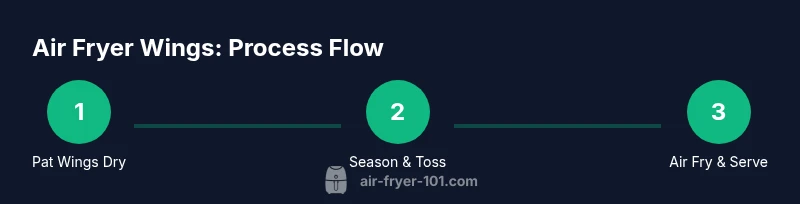
In practice, you’ll pat dry, season, preheat, and place wings in a single layer. Cook time depends on wing size and desired crispness, then flip halfway through for even browning. The goal is to reach a crispy exterior with juicy meat inside, not burnt edges. After cooking, rest the wings briefly to let the juices redistribute before saucing. This overview aligns with common air-fryer practices and emphasizes consistency—smaller, evenly sized wings cook faster and more evenly than larger, irregular pieces.
Sauces, Dips, and Finishing Techniques
Saucing is where flavor truly shines. Classic buffalo or honey-garlic are popular, but you can toss wings in a sauce of your choice after cooking to keep the surface crisp. For a glossy finish and bright flavor, melt butter and whisk in hot sauce, then toss hot wings to coat. If you prefer a drier finish, keep sauces separate for dipping. Remember that sauce adds moisture, so apply it just before serving to preserve crispness. You can also dust with fresh herbs, lemon zest, or a pinch of smoked paprika for a finishing kick.
Troubleshooting Common Issues
If wings come out soggy, there is usually too much moisture or crowding. Pat wings dry, reduce sauce moisture, and ensure a single-layer cook. Uneven browning often results from variable wing sizes or overcrowding; use uniform pieces and cook in batches if needed. Burnt tips indicate too much sugar in the rub or a hot, crowded basket; lower the temperature slightly or shorten cook time and avoid high-sugar marinades near the end. If the meat is undercooked inside, extend the cook time in small increments or lower the temperature to promote thorough browning without overcooking the exterior.
Health, Safety, and Leftovers
Wings should reach a safe internal temperature to be fully cooked. Use a meat thermometer to confirm doneness, aiming for 165°F (74°C) as a general target. Refrigerate leftovers promptly in shallow containers to cool quickly and store for up to 3–4 days. Reheat leftovers in the air fryer at a lower temperature to avoid drying out. For health-conscious cooks, strong drying and careful temperature control minimize added fats while preserving flavor. This section integrates food-safety best practices with practical air-fryer techniques.
Pro Tips for Consistently Crisp Wings
For consistent results, set a bias toward small, uniformly sized wings and avoid overcrowding. A light dusting of baking powder with your rub can dramatically improve crust texture; this trick is widely recommended by home cooks and air-fryer enthusiasts. Preheat the air fryer and use a neutral oil spray to prevent sticking. Finally, allow wings to rest briefly after cooking to seal in juices before tossing in sauce or serving.
Tools & Materials
- Air fryer(Choose a model with at least 2-3 qt capacity; 4-6 qt is common.)
- Paper towels(Pat wings completely dry to maximize crisp.)
- Kitchen tongs(For turning wings halfway through cook.)
- Mixing bowl(Toss wings with oil and seasonings.)
- Measuring spoons(Measure spices and salt precisely.)
- Neutral cooking oil spray / light oil(1–2 tsp per batch to aid browning.)
- Salt(Kosher salt enhances flavor.)
- Black pepper(Freshly ground if possible.)
- Garlic powder(Adds savory depth.)
- Paprika(For color and mild smokiness.)
- Baking powder(Optional for extra crisp (not baking soda).)
- Chicken wings (fresh or thawed)(Prepare 1–2 lb per batch.)
- Meat thermometer(Optional for precise doneness.)
Steps
Estimated time: Total time: 25-35 minutes
- 1
Pat wings dry and trim
Pat wings completely dry with paper towels and trim any excess skin or tips if desired. Dry surfaces promote crisp browning in the hot air. Removing excess moisture reduces steam inside the basket during cooking.
Tip: Dryness is king; repeat pat-downs as you prep to ensure the wings stay dry. - 2
Toss with oil and seasonings
In a mixing bowl, toss wings with a small amount of neutral oil, then add salt, pepper, paprika, garlic powder, and optional baking powder. Ensure an even coat so every piece browns well.
Tip: Use baking powder in the rub for extra crisp without adding fat. - 3
Preheat and arrange in a single layer
Preheat the air fryer to the target temperature for 2–4 minutes. Place wings in a single layer in the basket, leaving space for air to circulate. Do not stack wings; crowding leads to soggy results.
Tip: Lightly spray the basket or coat with oil to prevent sticking, if needed. - 4
Cook and flip
Cook the wings for the initial phase, then flip them halfway through to promote even browning on all sides. Monitor for your target color and texture and adjust time for wing size.
Tip: Flipping during cooking doubles the chances of even crispiness. - 5
Check doneness and saucing
Check internal temperature or look for a crisp, golden exterior. Remove the wings and toss with your chosen sauce or keep them dry for dipping. Sauce when hot to distribute flavor evenly.
Tip: If saucing, do it just before serving to preserve crispness. - 6
Rest and serve
Let wings rest for 2–3 minutes after cooking to reabsorb juices. Serve with celery, ranch or blue cheese, and extra sauce on the side.
Tip: Resting improves juiciness and makes the texture more consistent.
Got Questions?
Can I use frozen wings without thawing first?
Yes, you can cook wings from frozen, but results may be less even and browning can be inconsistent. If you have time, thaw overnight in the fridge and pat dry before cooking for crisper skin and more even texture.
Yes, you can cook from frozen, but thawing first gives crisper skin and more even cooking. If time is tight, add a few extra minutes and pat dry after thawing.
What temperature and time should wings be cooked at in the air fryer?
A common range is 360–400°F for about 12–20 minutes, depending on wing size and desired crispness. Flip halfway to promote even browning and check internal doneness before serving.
Aim for medium-high heat and flip halfway for even browning. Start checking around 12 minutes and adjust as needed.
Should I use baking powder to crisp wings?
Yes. Baking powder helps raise the surface pH and promotes browning, producing crisper skin. Use baking powder (not baking soda) mixed into your rub.
Yes—baking powder helps crisp; mix it into your dry rub for best results.
Can I stack wings in the air fryer basket?
No. Stacking blocks air flow and leads to uneven browning. Cook in batches if you have more wings than your basket can hold in a single layer.
Don't stack. Air needs to circulate for even browning. Cook in batches if needed.
How do I know when wings are done?
Wings are done when the exterior is golden and crisp and the internal temperature reaches about 165°F. If you don’t have a thermometer, check that the juices run clear and the meat is opaque.
Check that the inside hits 165°F and the outside is crispy and browned.
Watch Video
Quick Summary
- Pat wings dry before seasoning to maximize crispness.
- Cook in a single layer for even browning.
- Baking powder can boost crispiness when used in the rub.
- Adjust time based on wing size; smaller wings cook faster.
- Rest briefly before saucing or serving.