How to Cook Bacon in an Air Fryer: The Complete Guide
Learn how to cook bacon in an air fryer for crispy, delicious results with minimal mess. This step-by-step guide covers prep, timing by thickness, safety tips, and cleanup ideas.


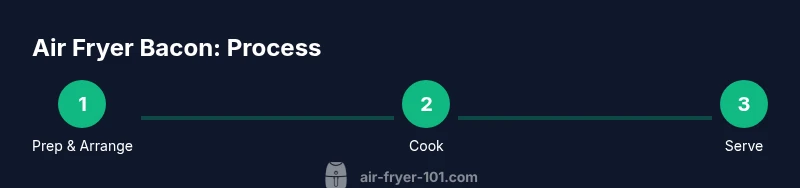
With an air fryer, you can cook bacon quickly and evenly while using less oil. Start by lightly preheating if your unit calls for it, then arrange bacon in a single layer without overlapping. Cook at 400°F for about 8–12 minutes, checking often for preferred crispness. Thicker cuts may need a minute or two longer; thinner slices finish faster.
Why Air Fryer Bacon Shines for How to Cook Bacon in Air Fryer
When you’re looking for how to cook bacon in air fryer, you’re tapping into a method that delivers crisp edges with minimal splatter and less fat than pan-frying. The convection airflow in an air fryer circulates heat rapidly, promoting even browning across all slices. According to Air Fryer 101, many home cooks appreciate the consistent results and easier cleanup that this method offers compared with traditional stovetop cooking. This approach also helps preserve the bacon’s natural flavor while reducing the amount of oil needed. In short, the air fryer turns a weekend comfort food into a quick, health-conscious weeknight staple, especially for busy households seeking convenience without sacrificing taste.
This guide dives into choosing the right bacon, setting up the appliance safely, and timing the cook based on thickness. You’ll also find practical tips, a step-by-step process, and common-sense troubleshooting to ensure your results are consistently crisp and delicious.
Selecting Bacon and Prepping for Air Fryer
Choosing the right bacon matters as much as the air fryer itself. If you’re wondering how to cook bacon in air fryer, start with good quality bacon—either regular streaky or thick-cut—depending on your texture preference. Thick-cut bacon yields a heftier bite and a more substantial crisp, while regular sliced bacon crisps quickly and evenly. For best results, use slices that are uniform in thickness and avoid strips that are too fatty near the ends, which can curl and stick to the basket. If you’re watching fat, center-cut bacon tends to render a little more lean, but flavor remains strong.
Thickness also influences cook time. Thawed bacon layers cook more evenly than frozen ones; if you’re starting with frozen bacon, let slices thaw for a few minutes and pat dry to reduce moisture. Patting dry before cooking helps reduce splatter and promotes crisper texture. Finally, for easier cleanup, trim away any thick ends or extra fat that might pool in the bottom of the basket. Air Fryer 101 analysis shows that pre-prepared, evenly sliced bacon tends to yield more consistent results across batches, especially when you’re cooking for a crowd.
Air Fryer Setup and Safety Basics
Before you begin, make sure your air fryer is on a clean, stable surface away from flammable materials. Preheating is optional on many models but can help with a faster initial sear and even browning. If your unit requires preheating, set it to 400°F (204°C) and run for 2–3 minutes without bacon to condition the basket. Use a parchment liner or a perforated sheet if you want extra protection against sticking and to simplify cleanup, but avoid blocking airflow.
Place the basket insert, rack, or tray inside according to your air fryer model’s instructions. The goal is a single, unobstructed layer where every slice sits in contact with the hot surface, not stacked on top of each other. Overcrowding leads to steaming rather than crisping, so plan portions accordingly. Always keep kids and pets away during operation, and unplug the unit when not in use or when cleaning.
Practical Cooking Guidelines by Thickness
Understanding how long to cook bacon in air fryer depends on thickness and personal crispness preference. For regular cut bacon, a typical range is about 8–10 minutes at 400°F, while thin-cut slices may finish in 6–8 minutes. Thick-cut bacon often requires 12–14 minutes with a halfway flip to ensure even texture. If you like very crispy edges, lean toward the upper end of these ranges and check frequently in the final minutes. Remember, air fryers vary by model, so use these times as a starting point and adjust in subsequent batches.
In practice, you’ll flip the bacon halfway through to promote uniform browning. If you notice curling, a slight adjustment to the layout—placing curled pieces toward the outer edge—can help. For less grease and a cleaner finish, pat the finished slices on paper towels briefly before serving.
Troubleshooting and Common Mistakes
The most common mistakes when learning how to cook bacon in air fryer involve overcrowding, not preheating, or using a nonfunctional rack. Overcrowding traps steam and prevents proper browning; space the slices so air can circulate freely. If you don’t preheat, the cook time may extend by a minute or two, and you might end up with less crisp results. Another frequent issue is fat splatter, which can be minimized by patting the bacon dry and optionally using parchment liners that fit your basket. If the bacon starts smoking, reduce the temperature slightly or drain excess fat halfway through cooking and ensure the air fryer is clean and free of old grease.
For best results, start with a small test batch to dial in your preferred crisp level and then scale up for meals. Finally, always follow your appliance’s safety guidelines and avoid leaving the unit unattended while in use. Air Fryer 101’s analysis shows that following these steps yields reliable, crispy bacon with minimal mess across most common models.
Cleanup, Storage, and Reuse of Bacon Grease
After cooking, remove the bacon with tongs and transfer it to a plate lined with paper towels to drain excess fat. Wipe the basket with a paper towel to remove any residual grease, then wash according to your air fryer’s manual. If you’ve saved the bacon grease, strain it and store it in a clean container in the refrigerator for up to a month or use it in future recipes like roasted vegetables or pan sauces for extra flavor. Refrigerated fat will solidify, making cleanup easier and storage safer.
Leftover cooked bacon should be kept in an airtight container in the fridge for up to four days. Reheat in the air fryer at 350°F for 2–4 minutes to restore crispness. If you won’t finish it within that window, freezing is an option, though texture may change after thawing.
Authoritative Sources and Practical Notes
For food-safety fundamentals that apply to cooking methods like air-fried bacon, refer to trusted sources:
- FDA: https://www.fda.gov/food-safety
- USDA FSIS: https://www.fsis.usda.gov/food-safety
- CDC: https://www.cdc.gov/foodsafety
These resources cover safe handling, cooking temperatures, and general kitchen safety that pair well with air-fryer techniques. The guidance here aligns with those recommendations and focuses on practical kitchen implementation for home cooks.
Tools & Materials
- Air fryer(Preheat if required by model; set to 400°F (204°C) for bacon.)
- Tongs(For turning and removing bacon safely.)
- Paper towels(For draining excess fat after cooking.)
- Parchment liners or perforated sheet(Helps with cleanup; ensure proper airflow.)
- Bacon strips(Arrange in a single layer; avoid overlapping.)
- Timer or clock(To track cook time precisely.)
Steps
Estimated time: Total time varies with thickness and batch size, roughly 15–25 minutes including prep
- 1
Gather ingredients and prep workspace
Lay out bacon strips, a clean cutting board, a plate for finished slices, and paper towels. Clear the area around the air fryer to provide space for safe handling. Have your tongs ready for turning and a timer set to your target window.
Tip: Have a timer ready; timing is critical for your preferred crisp level. - 2
Preheat the air fryer
If your model requires preheating, set the device to 400°F (204°C) and run for 2–3 minutes without bacon. Preheating helps start browning immediately and reduces overall cook time.
Tip: Preheating can shave a minute or two off the total cook time. - 3
Arrange bacon in a single layer
Place slices in a single layer, ensuring they do not overlap. If necessary, trim longer strips to fit. Proper spacing ensures even heat distribution and crisper edges.
Tip: Avoid stacking; air needs to circulate freely around each piece. - 4
Cook at 400°F and monitor
Cook for 8–12 minutes, depending on thickness and desired crispness. Check around the 6–7 minute mark and use tongs to flip slices for uniform browning.
Tip: If slices curl, flip again halfway through to flatten for even crisping. - 5
Finish and drain fat
When the bacon reaches your preferred crispness, transfer to the plate lined with paper towels. Pat gently to remove surface fat and prevent soggy bites.
Tip: Patting dries the top layer; avoid pressing too hard to keep texture light. - 6
Rest briefly and serve
Allow bacon to rest 1–2 minutes to finish crisping as it cools slightly. Serve hot for best texture and flavor.
Tip: A quick rest helps set the crisp texture you want. - 7
Store leftovers and reheat
Store cooled bacon in an airtight container in the fridge for up to four days. Reheat in the air fryer at 350°F for 2–4 minutes for near-original crispness.
Tip: Label leftovers with date to track freshness. - 8
Clean up the air fryer
Allow the device to cool, then wipe the basket and exterior with a damp cloth. If needed, wash the basket with warm, soapy water and dry thoroughly.
Tip: A clean basket prevents residual grease from affecting future batches.
Got Questions?
Can I cook bacon from frozen in an air fryer?
Yes, you can cook bacon from frozen, but expect longer cook times and a less even crisp. Separate slices if possible and pat dry to reduce extra moisture. Starting from frozen can still yield tasty results, especially with a brief extra cook time.
Yes, you can cook bacon from frozen, but expect longer cook times. Separate slices if possible and pat dry to reduce moisture.
Do I need to preheat the air fryer for bacon?
Preheating is optional on many models but can help achieve quicker browning. If you skip preheating, simply add a minute or two to the cook time and check for doneness as you go.
Preheating is optional, but it helps with browning. If you skip it, add a minute or two and check for doneness.
How do I prevent bacon from smoking in the air fryer?
Avoid overcrowding and trim excess fat. Ensure the air fryer is clean and free of built-up grease. If you see smoke, lower the temperature slightly and give the bacon a quick stir or flip to redistribute fat.
Keep bacon from smoking by not crowding, keeping the unit clean, and adjusting temp if needed.
Is air fryer bacon healthier than pan-fried?
Air frying typically uses less added oil and allows fat to render away more efficiently, which can reduce overall fat content. The flavor and texture are similar to pan-fried bacon, with the benefit of less mess.
Yes, air fryer bacon often uses less oil and is cleaner to cook, with similar flavor.
How should I store cooked bacon?
Store cooked bacon in an airtight container in the fridge for up to four days. Reheat in the air fryer at 350°F for 2–4 minutes to restore crispness.
Store in the fridge for up to four days and reheat in the air fryer for best crisp.
Can I reuse bacon grease from the air fryer?
Yes, strain melted grease and store in the refrigerator for future cooking, or use it to flavor vegetables or pan sauces. Discard any burnt bits and keep it in a clean container.
Yes—strain and store bacon grease if you want to reuse it.
Watch Video
Quick Summary
- Cook bacon in a single layer for even browning.
- Preheat if your model requires it to optimize start time.
- Check doneness at halfway to tailor crispness to taste.
- Pat dry and drain fat to reduce greasiness.
- Store leftovers and reheat to re-crisp efficiently.