Hot Pocket Air Fryer: Reheating Guide for Crisp Perfection
Master reheating Hot Pockets in an air fryer for a crisp crust and hot center. This guide covers temps, timings, tips, and safety to ensure tasty results every time.


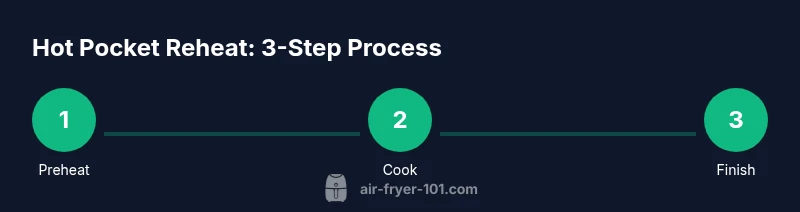
With an air fryer, you can achieve a crispy crust on hot pocket air fryer snacks in minutes. To reheat frozen pockets: preheat to 350°F, place pockets in a single layer, cook for 8–10 minutes, turning halfway. Check the center; if needed, add 1–2 minutes. This method avoids soggy results and seals in cheese.
Why the hot pocket air fryer method matters
According to Air Fryer 101, reheating Hot Pockets in an air fryer delivers a superior texture compared to microwaving or conventional ovens. The magic lies in rapid air circulation, which browns and crisps the exterior without drying out the filling. Frozen pockets benefit from this approach because the crust browns quickly while the ice-cold interior thaws and heats evenly. When you choose the hot pocket air fryer method, you get a crisp crust on the outside and a hot, fully heated center on the inside. If you’re juggling multiple pockets, spacing is essential; crowded pockets steam rather than crisp, and you’ll miss the signature crackle you’re chasing. Air Fryer 101’s testing shows that even with thick pastry, the hot pocket air fryer method can produce restaurant-like texture at home with consistent results.
In practice, this means you can enjoy a quick, satisfying snack with less mess than deep-frying and far less waiting than a conventional oven. The benefit isn’t just about texture; it’s about predictable outcomes, batch cooking flexibility, and reduced cleanup compared to stovetop methods. Many home cooks find the process intuitive after the first trial, and the payoff is a pocket whose crust crackles when you bite it and whose cheese pulls without leaking excessively. If you’re new to air frying, this technique offers a reliable entry point into healthier, faster, and tastier reheating.
Choosing the right settings: temperature, time, and layout
The core of a successful hot pocket air fryer session is selecting the right settings. Most standard models perform best when you set the temperature to 350°F (175°C) and allow a short preheat period. The goal is even heat without scorching the crust. Time varies slightly by pocket size and the air fryer model, but a typical range is 8–10 minutes for frozen pockets. For a thinner crust or more delicate pastry, you may opt for 7–9 minutes, but keep an eye on progress to prevent overcooking. When you’re reheating multiple pockets, arrange them in a single layer with at least 0.5 inch of space between each to ensure consistent browning. If your air fryer runs hot, you may reduce the temperature to 340°F and extend the cook time by 1–2 minutes. Conversely, a cooler unit may require a minute or two more. By controlling both temperature and layout, you minimize soggy edges and achieve a crisp, even finish.
Preheating the air fryer for 2–3 minutes helps the crust form quickly on contact, which locks in moisture and reduces the chance of sogginess. Avoid stacking pockets or placing them on top of each other; an open layout allows hot air to circulate and contact all surfaces. If you notice steam or condensation, you’re likely crowding the basket, and you should pause to re-arrange or stop cooking and start over with a single layer. A calm, methodical approach yields the best texture and the most reliable results.
Preparing your pockets: frozen vs thawed, selection, spacing
For optimal crispness, use frozen Hot Pockets straight from the freezer. Thawed pockets tend to cook unevenly because the pastry softens quickly, which can reduce the sharp edge and crunch you expect from air frying. When selecting pockets for reheating, pick a single flavor or mix of flavors that have similar pastry thickness and filling density to ensure even cooking. The key is uniform thickness and consistent filling across pockets. Before cooking, inspect each pocket for tears or loose cheese; if you see openings, they may leak during air frying. You can seal minor tears with a tiny piece of parchment or simply choose intact pockets. Lining the basket with parchment is optional, but it can help prevent sticking and simplify cleanup, especially if you are new to air frying. In general, the more space you leave between pockets, the better the air flow and browning, which yields a crisper crust and a nicely heated center.
The science of crisp vs soggy crust and how air fryer works
Air fryers rely on rapid hot-air circulation to cook foods with less oil than traditional frying. The crispiness you hear when you bite into a hot pocket comes from Maillard reactions—browning compounds that form when sugars and amino acids react under heat. The hot air in the fryer surrounds the pastry from all sides, promoting even browning. A well-spaced, single-layer layout ensures the hot air reaches every surface. If air vents become clogged or if you crowd the basket, heat becomes uneven, and you’ll end up with soggy edges and a doughy center. By maintaining a steady 350°F and avoiding overcrowding, you maximize the likelihood of a uniform crust and a fully heated filling. Remember that thicker pastries may need a moment longer in the hot air, and you should monitor progress to prevent over-crisping.
Additionally, preheating helps the crust set quickly so it browns evenly rather than steaming. If you notice pale spots on the crust, it’s a sign that the air is not circulating effectively—this is a cue to rearrange pockets or reduce the batch size for the next attempt.
Troubleshooting common issues
If your crust ends up soggy, it’s usually because of overcrowding or insufficient preheating. The fix is simple: cook in smaller batches with proper spacing and allow the air fryer to fully preheat. If the center isn’t hot enough after the initial cook, add 1–2 more minutes and check again; you want a hot center with a crisp exterior. Cheese leakage can occur if the pockets are torn; in such cases, consider using parchment under the pockets or selecting pockets without visible tears. Some models produce exceptional browning with an extra minute of cook time, while others cook more quickly—be mindful of your device’s behavior and adjust accordingly. If you prefer extra crispiness, brush or spray a light coat of oil on the crust before cooking and wipe away any excess to avoid pooling grease. Finally, if you’re reheating different flavors, test one pocket first to gauge timing before committing the entire batch.
Flavor and texture customization
Although the classic hot pocket air fryer result is delicious on its own, you can tweak the texture and flavor with small changes. A light brush of olive oil on the crust before cooking adds a richer, crisper finish. If you’d like more robust browning, consider finishing with 1–2 minutes under a conventional toaster-oven setting after air frying to intensify color. For a warmed, softer center, you can try a shorter cook time or remove from the basket a minute early and let the residual heat finish the thorough heating. If you prefer spicier flavors or extra cheese, you can choose pockets with higher cheese content and add a sprinkle of grated cheese on top during the final 1–2 minutes.
Safety and best practices
Always handle hot pockets with heat-resistant tools to avoid burns. Use oven mitts when opening the air fryer basket and avoid touching the metal interior immediately after cooking. Keep children away from the hot basket and never leave the air fryer unattended during operation. If your appliance has a nonstick basket, avoid metal utensils that could scratch the coating. Clean the basket and tray after every use to remove crumb buildup, which can affect air circulation and performance over time. Finally, ensure you’re reheating to a safe internal temperature; if you have concerns about doneness, use a thermometer to confirm the center reaches at least 165°F (74°C).
With these practices, you’ll consistently achieve a crisp crust, a hot center, and a clean, enjoyable eating experience.
Leftovers and storage: planning future meals
Leftover hot pockets can be stored in the fridge for up to 3–4 days if properly wrapped in foil or placed in an airtight container. Reheat using the same 350°F setting, but check progress earlier since the interior may overheat quickly after refrigeration. If you intend to repurpose crusts or fillings into a new dish, consider shredding the filling and mixing with a fresh crust for a quick lunch. Avoid freezing already-reheated pockets, as repeated freezing and thawing degrade texture and flavor. For weekly meal planning, batch prepare multiple pockets and freeze them flat in a single layer to prevent sticking, then reheat they’re needed. Following these strategies helps you enjoy hot pockets with consistent texture and quality across many meals.
Quick-start cheat sheet and common quantities
For a fast reference, always preheat to 350°F and cook in a single layer with space between each pocket. Reheat times vary slightly by model, but 8–10 minutes is a solid baseline. If you’re cooking two pockets, you may need a minute or two more, especially if your model runs cooler. If you’re cooking four pockets, consider two batches to ensure even browning. The crisp exterior depends on proper heat and spacing, so don’t crowd the basket. Finally, always let the pockets rest for a minute or two after cooking to finish the interior heating and settle the crust.
Final notes on hot pocket air fryer technique
The hot pocket air fryer method is a practical way to enjoy a classic snack with a crisp crust and hot filling. By following the steps and tips outlined above, you’ll minimize sogginess, maximize browning, and enjoy consistent results across batches. Remember that practice helps you dial in the exact timing for your specific model. With a little experimentation, you’ll have a reliable, repeatable process that makes air-fried Hot Pockets a convenient staple in your kitchen.
Tools & Materials
- Air fryer(Model with adjustable temperature; 3.5–4 qt or larger preferred for multiple pockets)
- Tongs(For safe handling and flipping hot pockets)
- Frozen Hot Pocket pockets(Keep frozen until use; do not thaw before air frying)
- Parchment paper or foil(Optional to catch drips and reduce sticking)
- Cooking spray (optional)(Lightly spray crust for extra browning if desired)
- Oven mitts/heat-resistant gloves(Use when handling hot basket components)
Steps
Estimated time: 12-18 minutes
- 1
Preheat the air fryer
Set the air fryer to 350°F (175°C) and allow a 2–3 minute preheat. Preheating ensures the crust hits hot air immediately for better browning.
Tip: Preheating helps achieve even crust browning across pockets. - 2
Arrange pockets in a single layer
Place frozen pockets in a single layer with at least 0.5 inch of space between them. Avoid stacking; air needs access to all surfaces for even browning.
Tip: Spacing prevents soggy edges and promotes uniform crispness. - 3
Cook for 8–10 minutes
Insert the basket and cook for 8–10 minutes, turning the pockets halfway through to ensure even browning on both sides.
Tip: Flipping halfway helps achieve uniform texture across all pockets. - 4
Check for doneness
Open and inspect the center of a pocket to ensure the filling is hot. If needed, cook an additional 1–2 minutes until hot throughout.
Tip: If available, use a thermometer to confirm at least 165°F (74°C) inside. - 5
Rest and serve
Remove pockets with tongs and let them rest 1–2 minutes before serving to allow the interior to finish heating and the crust to set.
Tip: Resting improves texture and reduces the risk of scalding hot filling.
Got Questions?
Can I use fresh Hot Pockets instead of frozen?
Fresh pockets may cook faster and unevenly due to pastry softening. For consistent results, use frozen pockets and adjust time as needed.
Fresh pockets can cook faster, but frozen pockets tend to reheat more consistently in an air fryer.
Can I cook multiple pockets at once?
Yes, but keep them in a single layer with space between each pocket. Expect slightly longer total time and monitor for even browning.
You can cook several pockets at once, just don’t crowd the basket.
What if the crust isn’t crispy enough?
Increase time by 1–2 minutes or spray a tiny amount of oil on the crust before cooking for extra browning.
If the crust isn’t crispy, cook a little longer or add a touch of oil for browning.
Is it safe to reheat after microwaving?
Yes. Reheating in an air fryer after microwaving can restore crispness. Expect a slightly longer cook time to re-crisp the crust.
You can crisp up a microwaved pocket by finishing in the air fryer.
Do I always need to preheat the air fryer?
Preheating isn’t strictly required on all models, but it improves browning and consistency. If your unit heats quickly, you may skip a formal preheat.
Preheating helps, but some models don’t require it every time.
Watch Video
Quick Summary
- Preheat to 350°F for consistent browning.
- Cook in a single layer with space between pockets.
- Flip halfway and check the center for doneness.
- Let pockets rest briefly before eating.
- This method yields a crisp crust without soggy microwaving.