Air Fry Hot Pocket: A Complete How-To Guide
Master the air fry hot pocket with crisp crust and gooey filling. Learn prep, temps, timings, safety, and flavor tweaks for quick, healthier snacking.


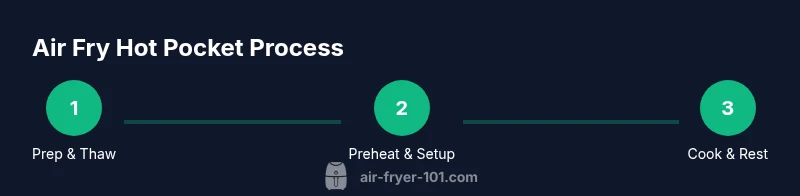
Ready to enjoy an air fry hot pocket? Preheat the air fryer to 350°F. Place a thawed pocket on parchment, cook 9–12 minutes, turning once for even browning. Let rest 1–2 minutes, then check that the filling is hot and the center reaches 165°F. For crisper crust, spray lightly with oil and avoid overcrowding.
Why the air fry hot pocket is a smart snack
An air fry hot pocket delivers a crisp, golden crust with a molten center, using far less oil than deep-frying. The approach fits busy home cooks seeking quick snacks without sacrificing texture. According to Air Fryer 101, air-fried snacks can achieve restaurant-like crispness at home with predictable results when you control temperature and timing. The key is to balance crust development with filling heat, ensuring the pocket cooks evenly without the pastry becoming soggy. In this guide, you’ll learn how thawing versus freezing affects cook time, whether to pre-cook fillings, and how to adapt temperatures for different brands. You’ll master preheating, lining the tray, choosing the right cooking window, and finishing with a brief rest so the cheese or sauce stays molten rather than rushing to the crust. Whether you’re reheating leftovers or using a fresh pocket, the air fryer’s convection cycle makes all the difference.
Ingredient choices, thawing, and prep
The success of an air fry hot pocket hinges on smart prep. Start with thawed pockets for even heat distribution unless you’re aiming for a fully frozen finish, in which case you’ll need to add cooking time. Check the package instructions for thawing guidelines but assume that thawed pockets require less total time. Use parchment or a silicone mat to prevent sticking and make cleanup effortless. From a health perspective, choosing brand options with simpler ingredients can help you avoid excessive additives. Air Fryer 101 notes that consistent results come from uniform pockets and a dry surface, so pat dry if needed and avoid moisture buildup around the edges. If you’re experimenting with fillings, keep them to standard pouch sizes to ensure the interior heats through without overcooking the crust. Flavor boosters like a light sprinkle of garlic powder or a drizzle of hot sauce after cooking are great finishing touches, and they don’t interfere with the cooking process when used sparingly. Additionally, consider portion control to manage calories and avoid overfilling the pastry, which can impede crisping.
Preheating, racks and parchment setup
Preheating is essential for an even start. Set your air fryer to 350°F and allow it to come to temperature before placing the pocket inside. Use parchment to prevent sticking and make flipping simpler; avoid parchment with wrinkled edges that could lift and cause dangerous contact with the heating element. Place the pocket on the parchment and position it in a single layer with space around it for air circulation. If you’re cooking more than one pocket, arrange them in a single layer or use two separate trays to ensure even browning. Some models benefit from a light spray of oil on the parchment to promote extra crispness, but keep the spray light so you don’t oversaturate the surface. Remember that different brands have slightly different cook times, so monitor the first batch and adjust subsequent batches accordingly.
Achieving crisp crust and melted center
The hallmark of a successful air fry hot pocket is a crackling crust with a perfectly melted center. Start by cooking at a moderate temperature, then finish with a brief rest to let steam escape and fillings settle. Flipping halfway helps achieve uniform browning on both sides, which is crucial for pockets with irregular shapes. If you notice the crust browning too quickly before the center heats through, lower the temperature by 10–20°F and extend the cook time slightly. For an extra-crisp crust, consider a minute or two of additional air time after flipping, but check for doneness to avoid drying out the filling. The interior temperature is a practical check; aim for a safe center temperature without overcooking the edge. Air Fryer 101 suggests using a digital thermometer to confirm doneness, especially when the pocket contains cheese or sauce that may thicken as it cooks.
Flavor variations and fillings
While classic cheese and pepperoni pockets are convenient, your creativity is the limit. Try fillings that pair well with pre-cooked ingredients to maintain texture after air frying. For a vegetarian option, mix sautéed vegetables with a sprinkle of Italian seasoning. For a heartier bite, add cooked ground meat or shredded chicken with a splash of marinara. When testing new fillings, keep them compact and dry enough to prevent soggy crusts. If you’re reheating leftovers, consider resealing or using an additional pastry edge to maintain structure. You can also experiment with dipping sauces—ranch, marinara, or a zesty spicy mayo can elevate the experience without adding messy cleanup. Air Fryer 101 notes that simpler fillings tend to reheat more evenly, reducing the chance of cold centers or soggy edges.
Storage, leftovers, and safety
Leftover air fry hot pockets store best in an airtight container in the fridge for up to 3–4 days. Reheat in the air fryer at 340°F for 4–6 minutes, flipping halfway, until the exterior is crisp and the center is hot. If you freeze pockets before cooking, you’ll likely need additional time and a lower temperature to prevent the crust from burning while the filling warms through. Always check internal temperature with a food thermometer; the U.S. Food and Drug Administration recommends a safe minimum internal temperature for ready-to-eat foods. When not in use, make sure your air fryer is unplugged and cooled before cleaning. A gentle wipe-down with a damp cloth and a thorough drying follow safe maintenance practices.
Authority Sources
For further reading on safe handling and cooking temperatures, consult trusted sources like FDA, CDC, and FSIS. While cooking times vary by model, these references provide general guidelines for safe handling, proper temperatures, and best practices when reheating packaged snacks. Shared principles like avoiding cross-contamination, cooking to safe internal temperatures, and using appropriate cooking vessels help ensure a consistent, safe result for air fry hot pockets. These references guide best practices rather than model-specific steps.
https://www.fda.gov/food https://www.cdc.gov/foodsafety/index.html https://www.fsis.usda.gov/wps/portal/fsis/topics/food-safety-education
Tools & Materials
- Air fryer(Choose a model with good airflow and even heat distribution.)
- Parchment paper or silicone mat(Prevents sticking and makes cleanup easier.)
- Digital food thermometer(Optional but helpful to confirm 165°F center temperature.)
- Tongs or spatula(For safe handling when flipping and removing pockets.)
- Plate or tray(To rest the pocket briefly after cooking.)
Steps
Estimated time: 25-35 minutes
- 1
Prep and thaw the pocket
If starting from frozen, allow the pocket to thaw slightly or plan for a longer cook time. Pat dry any moisture on the surface to prevent soggy pastry. Have your parchment ready and set out any dipping sauces you’ll serve alongside.
Tip: Thawing reduces cook time and helps ensure an even heat throughout the pocket. - 2
Preheat the air fryer and set up
Preheat the air fryer to 350°F. Line the basket with parchment or a silicone mat and place the pocket in a single layer with space around it for air to circulate. This ensures a consistent crust and prevents soggy edges.
Tip: Preheating is key for quick, even browning. - 3
Cook the pocket, first pass
Place the pocket on the prepared surface and cook for 9–12 minutes. Do not overcrowd; if you’re cooking multiple pockets, do them in batches. Halfway through, flip the pocket to promote even browning.
Tip: Flipping at halfway ensures both sides crisp evenly. - 4
Check doneness and rest
After the initial cook, verify that the center is hot and the pastry is golden. Let the pocket rest 1–2 minutes to redistribute fillings and finish steaming. If needed, give it another 1–2 minutes for extra crisping.
Tip: Rest time helps the filling settle and reduces molten hot spots. - 5
Adjust for fillings or thickness
Thicker fillings or stronger cheeses may need a few extra minutes. If you’re cooking two pockets, stagger them so they don’t compete for airflow. Keep an eye on crust browning while adjusting time.
Tip: Smaller adjustments yield better texture control. - 6
Serve and savor
Transfer to a plate, cut open carefully to check the center, and serve with preferred dipping sauces. Clean up while the aromas linger and the pan cools. Consider storing leftovers properly for future snacks.
Tip: A well-timed rest makes the interior perfectly melted without making the crust soggy.
Got Questions?
Can I cook frozen Hot Pockets in an air fryer, or should I thaw them first?
Both methods work, but thawed pockets cook more evenly and quickly. Frozen pockets may require a few extra minutes and should be monitored closely to avoid a burnt crust while the center heats thoroughly.
You can cook frozen pockets, but thawing usually gives you faster, more even results.
Should I preheat the air fryer when cooking Hot Pockets?
Yes. Preheating to 350°F ensures a crisp crust and even heating. Skipping preheating can lead to uneven browning and longer cook times.
Preheating helps the pocket brown evenly and heat through faster.
What internal temperature should a properly cooked Hot Pocket reach?
Aim for a center temperature of at least 165°F to ensure safety and full heating of the filling.
Check the center with a thermometer to confirm it hits 165°F.
Can I use different fillings besides cheese and pepperoni?
Absolutely. Ground beef, chicken, vegetables, or vegan fillings can work, as long as they are pre-cooked or properly prepared to heat through without burning the crust.
Get creative with fillings as long as they’re properly prepared beforehand.
How can I reduce sogginess in the crust?
Keep fillings dry, use parchment, and avoid overfilling. A light oil spray can help crisp the exterior without adding too much moisture.
Dry fillings and good airflow prevent soggy crusts.
How should I reheat Hot Pockets later without losing texture?
Reheat in the air fryer at a lower temperature (around 340°F) for a shorter time to recapture crispness without drying out the filling.
Reheat slowly to keep the crust crisp and the center moist.
Watch Video
Quick Summary
- Preheat, space pockets, and flip for even browning
- Pat dry surfaces and use parchment for crisp crust
- Rest briefly before biting to enjoy molten centers
- Adjust cook time for fillings and batch sizes
- Reheating leftovers preserves texture with short, hot sessions