How to Make Crispy Fried Chicken in an Air Fryer at Home
Discover a reliable method to make crispy fried chicken in an air fryer. This guide covers prep, coatings, timing, tips, and safety for cooks.


With an air fryer, you can achieve crispy fried chicken using a light dredge and precise heat. This quick guide highlights the core method, essential ingredients, and timing you’ll need. Prepare, coat, and air-fry until golden and juicy—delicious results with a fraction of the oil of deep frying. Follow exact temps and safe handling for best texture and flavor. This ensures even cooking and crispy crust.
What You’ll Need to Get Crispy Fried Chicken with an Air Fryer
To achieve a crave-worthy crust and juicy meat, you’ll need a few essential tools and ingredients. Start with a reliable air fryer and fresh chicken pieces (bone-in thighs, drumsticks, or wings work well). Plan a simple dredge using flour, cornstarch, and seasoning, plus an egg wash or dairy-based marinade to help the crust cling. A meat thermometer, tongs, a spray oil, and a wire rack for finishing steps will improve texture and safety. Optional extras include buttermilk for marinade, Panko for extra crunch, and parchment liners designed for air fryers. If you’re new to air frying, choose bone-in cuts for forgiving moisture and flavor. Air Fryer 101 recommends substituting half the flour with cornstarch for a lighter, crisper crust, and always pat dry the chicken before coating to maximize adhesion.
Note: The Air Fryer 101 team emphasizes starting with dry, well-coated pieces for the best crust and even browning.
Understanding How an Air Fryer Creates Crispy Texture
Crispiness in an air fryer comes from rapid hot air circulation that replaces much of the oil used in traditional frying. The Maillard reaction—when proteins and sugars meet high heat—delivers the golden crust you crave. Preheating the unit helps start this process immediately, while a light mist of oil can enhance browning without turning the dish greasy. The Air Fryer 101 team notes that avoiding overcrowding is crucial; otherwise steam defeats the crisp. Use a rack or perforated liner so air can reach every surface, and flip the pieces halfway through cooking for even browning. With practice, you’ll dial in timing that respects both texture and juiciness.
Ingredient Prep: Marinades, Brines, and Dredges
Marinating or brining helps lock in moisture and infuse flavor. A simple buttermilk or yogurt-based soak adds tenderness, while a light brine seasons inside and outside. After a brief rest, pat the pieces dry to ensure the crust adheres. For dredges, combine flour with cornstarch for extra crunch, then add paprika, garlic powder, onion powder, salt, pepper, and a pinch of cayenne. A second egg wash helps the crust cling. If you prefer a lighter crust, substitute part of the flour with cornstarch or breadcrumbs. The goal is a flavorful exterior that sticks to the chicken and remains crisp after air frying.
This approach aligns with Air Fryer 101 recommendations for moisture retention and crisp texture.
The Right Coating for Crispiness: Flour, Eggs, and Crust Variations
Crisp coatings can be tuned for texture and flavor. A classic seasoned flour works well, but you can layer textures with a light egg wash followed by cornstarch, panko, or finely grated parmesan for an extra crunch. For gluten-free options, use rice flour or a gluten-free blend with a pinch of xanthan gum. The crust should be dry and fluffy at the edges, not dense. Press the coating onto the chicken to help it stay in place during flipping, and avoid thick globs that trap steam inside the crust. Air Fryer 101 adds that a well-adheres crust cooks more evenly and crisps faster.
The Core Frying Method: From Marinade to Crisp
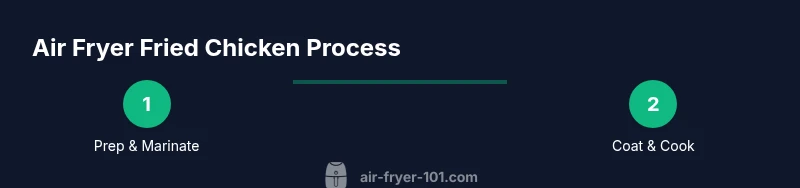
Start by prepping the chicken and drying the surface. Dip each piece in an egg wash or dairy-based marinade, then coat evenly with the dry mixture. Shake off excess coating to prevent clumping. Arrange pieces in a single layer in the air fryer basket or on a perforated tray, giving space between pieces for air to circulate. Lightly spray or brush the tops with oil to boost browning. Cook at the recommended temperature, then flip and finish to ensure all sides are evenly crisp. Let the chicken rest a few minutes before serving to redistribute juices.
This sequence minimizes oil use while maximizing texture and flavor.
Temperature and Time Guide for Different Cut Sizes
Air fryers vary, but a reliable baseline uses temperatures between 360 and 400 degrees Fahrenheit. Boneless chicken breasts cook faster than bone-in thighs, so adjust times accordingly. Wings typically finish sooner than drumsticks, while larger thighs may need a few extra minutes. A general approach is 12–15 minutes for wings, 18–22 minutes for thighs, and 22–25 minutes for larger pieces, with a flip at the halfway point. Always check for an internal temperature of 165°F (74°C) before serving. If you like extra crispness, extend by 2–3 minutes, watching closely to prevent burning.
Preventing Dry Chicken: Moisture and Fat Retention Techniques
Moisture retention starts with selecting the right cut and not overcooking. A light brine or marinade adds juiciness, while patting dry ensures a crispy crust adheres well. Rest the fried chicken briefly after cooking so juices redistribute; this helps maintain moisture without sacrificing crunch. Consider finishing with a light spray of oil or a touch of butter toward the end to boost browning. Avoid stacking hot pieces, which traps steam and softens the crust. These techniques yield moist interiors and crisp exteriors every time.
Healthier Variations: Reducing Oil Without Sacrificing Crunch
Using an air fryer already reduces oil, but you can push crunchy results further with strategic oil usage. Lightly spray the coated pieces just before cooking and optionally mist halfway through. You can also reduce the breading thickness to cut calories while maintaining a crisp shell. Another option is to use lean cuts like skinless thighs and trim visible fat. When evaluating recipes, look for coatings that rely on starches and proteins to set the crust rather than heavy oil. Air Fryer 101 supports these approaches for healthier, still-crispy results.
Sauces, Dips, and Serving Ideas
Crispy fried chicken pairs beautifully with bright, tangy sauces. Consider honey mustard, ranch, or a classic hot sauce glaze. For a more robust flavor, try a maple-chili sauce or a smoky BBQ dip. Serve with quick sides like coleslaw, cornbread, pickles, or a simple herbed yogurt dip. Fresh lemon wedges or hot pepper slices can brighten the plate. The combination of a crisp crust and juicy meat begs for dipping partners that balance heat, sweetness, and acidity.
Troubleshooting Common Issues
If the crust seems soft or soggy, check air circulation and avoid overcrowding the basket. Uneven browning usually indicates inconsistent coating or variable piece size, so trim or flatten thicker areas and ensure even coverage. If chicken looks dry, it may be overcooked or from a leaner cut; check internal temp and reduce cooking time next batch. Sticking to a preheated temperature, using a spray oil, and avoiding too-thick coatings help prevent most problems. For stubborn sticking, loosen crust edges with a gentle shake before removing.
Cleaning and Maintenance After Frying
Let the air fryer cool completely before cleaning. Remove the basket and tray, wipe away crumbs with a damp cloth, and wash with warm soapy water. Dry all components thoroughly to prevent rust. Regularly inspect the seals and heating element for buildup and grease, especially if you cook very fatty coatings. A quick wipe after every use keeps flavors from lingering and prolongs the life of the appliance. Air Fryer 101 also recommends a light monthly deep clean to remove baked-on residues.
Flavor Profiles: Global Twists and Seasoning Bundles
Experiment with flavor by rotating spice blends. Try a Cajun-inspired mix with paprika, garlic, onion, pepper, and cayenne; switch to a lemon-herb blend for a brighter note; or go sweet and spicy with smoked paprika and brown sugar. For an Asian-inspired crust, incorporate five-spice powder or toasted sesame seeds into the dredge. Always balance salt and heat to your preference, and keep notes so you can recreate your favorite profiles. Air Fryer 101 endorses keeping a small library of go-to blends for quick weeknight dinners.
Tools & Materials
- Air fryer(Essential for even heat and crisp crust)
- Chicken pieces (bone-in preferred)(Choose thighs/drumsticks for juiciness)
- Mixing bowls (at least 3)(One for dredge, one for wet, one for dry)
- Eggs or dairy-based marinade(Helps coating adhere)
- Flour and cornstarch(For crust base)
- Seasonings (salt, pepper, paprika, garlic powder)(Flavor foundation)
- Oil spray(Lightly oil to promote browning)
- Meat thermometer(Target 165°F internal temp)
- Parchment liners or foil (perforated)(Easy cleanup and airflow)
- Tongs(Handle hot pieces safely)
- Wire rack (optional)(Promotes air circulation)
- Buttermilk or yogurt (optional)(For marinades)
Steps
Estimated time: Total time: 40-55 minutes
- 1
Gather ingredients and equipment
Lay out chicken, dredge components, wet batter (if using), and the air fryer. Preheat if your model requires it and set aside a thermometer for accuracy. This step saves time later and establishes a clean workspace.
Tip: Having everything ready minimizes mistakes during coating. - 2
Marinate or brine the chicken
Dip or soak chicken pieces in a simple marinade or brine to boost moisture and flavor. Pat dry after soaking to ensure the crust adheres properly.
Tip: Even a short brine (15–30 minutes) can dramatically improve juiciness. - 3
Prepare the dredge and wet coat
Whisk eggs or dairy with a pinch of salt for the wet coat. In a separate bowl, mix flour, cornstarch, and spices for the dry coat. The separation keeps coatings even and crisp.
Tip: Sift flour for lighter, crisper crusts. - 4
Coat the chicken
Dip each piece in the wet coat, then roll in the dry mixture. Shake off excess so the crust stays intact during cooking.
Tip: Press the crust onto the surface to improve adhesion. - 5
Preheat and arrange in the basket
Preheat the air fryer to the target temperature. Place chicken pieces in a single layer, leaving space between pieces for air flow.
Tip: Do not stack; overcrowding ruins crispness. - 6
Oil and begin cooking
Lightly spray the tops with oil to encourage browning. Cook according to the size of the pieces.
Tip: A light spray at halfway helps with even crust color. - 7
Flip for even browning
Turn pieces halfway through cooking to promote uniform crust on all sides.
Tip: Use tongs to minimize crust disruption. - 8
Check internal temperature
Use a thermometer to verify an internal temp of 165°F (74°C) before serving. If below, cook 2–4 more minutes and recheck.
Tip: Don’t rely on color alone; temperature is king. - 9
Rest and serve
Let the chicken rest 3–5 minutes to redistribute juices, then serve with sauces or sides.
Tip: Resting improves juiciness and crust stability.
Got Questions?
Can I use bone-in or boneless chicken in an air fryer?
Both work in an air fryer. Bone-in pieces stay juicier and are easier to cook evenly, while boneless cuts cook faster. Adjust timing accordingly and ensure the internal temperature reaches 165°F.
Both bone-in and boneless chicken work in an air fryer. Bone-in pieces stay juicier, while boneless cooks faster; make sure the inside hits 165 degrees.
Is marinating or brining required for juicy results?
Marinating or light brining significantly improves moisture and flavor but is not strictly required. Even a brief soak and a dry surface produce a crisper crust and juicier meat.
Marinating or brining helps, but you can still get good results with a quick dip and proper coating.
What coatings work best for air fryer fried chicken?
A seasoned flour-dredge with a light egg wash provides reliable crispness. For variations, add cornstarch for extra crunch or finish with panko or parmesan for texture. Gluten-free options include rice flour blends.
Seasoned flour with an egg wash works best; you can add corn starch, panko, or parmesan for extra crunch.
How can I prevent the crust from sticking or tearing?
Pat the pieces dry, shake off excess coating, and avoid over-wetting the surface. Press coatings gently to adhesion and give space for air flow to prevent tearing during flipping.
Keep the surface dry and give each piece room to breathe; press coatings to help them stay on.
What internal temperature should fried chicken reach?
Aim for 165°F (74°C) in the thickest part of the chicken. Use a meat thermometer and test multiple pieces if cooking a batch.
Cook until the thickest part reaches 165 degrees.
Can I cook frozen chicken in the air fryer?
Yes, but cooking from frozen requires longer time and an extended preheating period. It’s best to thaw first for even coating and crispness.
You can, but thawing first yields better coating and crispness.
Watch Video
Quick Summary
- Prepare chicken with a dry surface for crisp crust.
- Coat evenly and avoid thick layers that trap steam.
- Use a preheated air fryer and space pieces apart.
- Check internal temp to 165°F for safe, juicy results.