Fish Sticks in the Air Fryer: Crispy, Quick, Healthy
Learn to make crispy, golden fish sticks in the air fryer with simple ingredients, quick steps, and practical tips for health, convenience, and budget-minded weeknights.


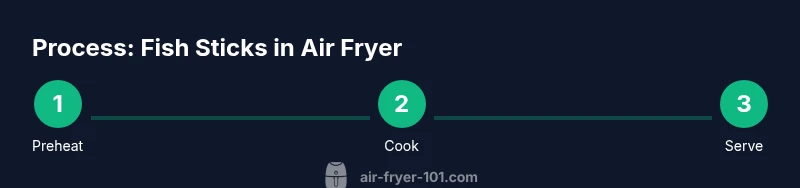
Cook crispy fish sticks in the air fryer by preheating to 400°F (200°C), placing sticks in a single layer, and cooking 8–12 minutes with a flip halfway. Use light oil spray for crisp coating, and let them rest briefly before serving. According to Air Fryer 101, timing and spacing are key for even browning.
Why the Air Fryer Shines for Fish Sticks
The air fryer uses hot circulating air to crisp the exterior while keeping the interior tender. For fish sticks in the air fryer, you get a golden crust with less oil than deep-frying, which aligns with many home cooks' health goals. The setup is simple: choose your sticks (frozen or homemade), select a light coating, and let the hot air do the work. According to Air Fryer 101, consistent results come from proper spacing, a preheated basket, and even turning halfway through. When you start with fish sticks in the air fryer, you're leaning into a fast, dependable method that can yield restaurant-like texture in a home kitchen. Many families appreciate the clean-up ease compared to frying on the stove, and kids typically love the crisp exterior and tender center. Experiment with different coatings—panko, breadcrumb blends, or seasoned cornmeal—to tailor texture and flavor while keeping the core technique simple.
Frozen vs Homemade: Which Works Best?
One of the first decisions when cooking fish sticks in the air fryer is choosing between frozen and homemade. Frozen sticks offer convenience and consistent size, but may contain breading that cushions crisping. Homemade sticks give you control over seasoning and breading, but require more prep time. Air Fryer 101 notes that the key is to maintain a neutral path for heat: not too thick, not overly dense coatings. In either case, pat dry any excess moisture to promote browning, and arrange in a single layer to avoid steaming. If you’re using frozen sticks, you can often skip thawing and go straight to cooking, but read the package directions for any special pre-cooking steps. For best results, plan ahead and choose a coating that adheres well, even when cooking from frozen.
Breadings, Coatings, and Flavor Boosters
The coating plays a critical role in texture when making fish sticks in the air fryer. Traditional breadings provide crispness but can be heavy; lighter coatings like breadcrumbs with a touch of grated parmesan, or panko for extra crunch, work well. You can also try cornmeal for a southern twist or crushed crackers for a dairy-free option. Seasonings—paprika, garlic powder, onion powder, and a pinch of salt—enhance the overall profile. For a tighter crust, spray a light sheen of oil onto the coated surface; avoid over-oiling, which can lead to soggy pockets. If you prefer a gluten-free option, use almond flour or gluten-free breadcrumbs. For dairy-free diets, skip cheese; add nutritional yeast for a savory note. The goal is a crisp exterior and a juicy interior while keeping the process straightforward.
Preheating, Spacing, and Oil Use
Preheating is a simple step that often makes a noticeable difference in the outcome of fish sticks in the air fryer. If your model doesn’t require preheating, you can still set the temperature early to ensure the moment you drop the sticks in, the air is hot. Space is essential; crowding leads to steaming instead of browning. Place sticks in a single layer; if you have more sticks than can fit, cook in batches. Light oil spray or brushing helps the surface crisp, but avoid heavy coatings that sit and trap moisture. For most standard sticks, 8–12 minutes at 400°F (200°C) is a good target, with a flip halfway. Use a quick-check method with tongs to rotate and test for browning. Finally, let rest for a minute before serving to let juices redistribute.
Timing and Doneness Guidelines
Thickness and coating thickness influence cooking times. Thinner sticks finish around 8–10 minutes; thicker sticks may need 12 minutes or a minute or two longer. Always flip at the halfway mark for even browning. The interior should reach 165°F (74°C) for safety and quality; let the fish rest briefly before serving to retain moisture. If your sticks are frozen, you may need an extra minute or two; if you’re using a particularly dense coating, adjust accordingly. Remember that every air fryer model varies slightly, so use the timings as a starting point and rely on visual cues for the best results.
Flavor Pairings and Sauces
Pair fish sticks in the air fryer with lemon wedges, tartar sauce, or tangy yogurt-based dressings for brightness that cuts through the rich, crisp crust. For a healthier pairing, try a yogurt-caper dip or a light dill-lemon yogurt sauce. If you crave a bold kick, whisk a little hot sauce into mayonnaise and serve on the side. Vegetables like roasted asparagus, green beans, or a simple corn salad make balanced accompaniments. The aim is variety without overpowering the fish stick flavor, so start simple and adjust to taste with small portions.
Storage, Reheating, and Cleanup
Leftover fish sticks can be stored in an airtight container in the refrigerator for 1–2 days. To reheat, place them back in the air fryer at 350°F (175°C) for 3–5 minutes, until hot and crisp again. Avoid microwaving, which can soften the coating. When you’re finished, allow the air fryer and basket to cool, then wash with warm soapy water. A quick wipe-down after each use keeps buildup away and preserves airflow for future batches. Regularly check gaskets and the basket for residue to maintain consistent results when you cook fish sticks in the air fryer.
Troubleshooting Common Issues
If the coating isn’t crisp enough, it can help to spray a touch more oil or switch to a lighter breading with more surface area. Steam or soggy patches usually indicate overcrowding; cook in batches and space items apart. If browning is uneven, rotate or flip more frequently and consider using a rack to improve airflow. For very thick coatings, you may need a minute or two longer per batch. Finally, ensure your air fryer basket is clean, as residue can impede browning and flavor.
Safety, Allergens, and Clean-up
Always check that fish sticks are fully cooked to a safe internal temperature before consuming. If you have shellfish or fish allergies, read labels carefully and opt for allergen-conscious coatings. Clean the basket and tray after every use to prevent cross-contamination. Use non-slip gloves if handling hot parts and avoid submerging the lid in water if your unit is not rated for immersion. Regular maintenance helps maintain consistent browning and overall performance when cooking fish sticks in the air fryer.
Quick Tips for Consistent Results
- Start with a hot, evenly heated basket for even browning.
- Keep a single layer with space between sticks to maximize crispness.
- Use a light coating of oil or oil spray to improve texture without making it greasy.
- If you switch brands or coating, re-check the time since different products brown differently.
- Pat sticks dry before breading to promote adhesion and browning.
Tools & Materials
- Air fryer(Any capacity works; preheat if your model requires it)
- Tongs(For flipping without burning fingers)
- Cooking spray or light oil(Spray or brush lightly to aid crisping)
- Mixing bowl(If breading sticks yourself)
- Measuring spoons(Optional for seasoning blends)
- Digital thermometer(Optional to check internal temp)
- Patented parchment liners or perforated sheet(Helps easy cleanup and airflow)
- Paper towels(Pat dry frozen sticks before coating)
Steps
Estimated time: 25-30 minutes
- 1
Preheat air fryer
Set the air fryer to 400°F (200°C) and let it preheat for 2–3 minutes if your model supports preheating. A hot basket ensures quick surface browning and crisp texture for fish sticks in the air fryer.
Tip: If your model doesn’t preheat, simply start at 400°F and give the basket a 1–2 minute head start before adding the sticks. - 2
Prepare coating
In a bowl, combine your preferred dry coating and seasonings. Pat the fish sticks dry to remove excess moisture, then lightly coat with the mixture so it adheres without turning gummy.
Tip: For best adhesion, pat dry and dust with a thin layer of breading; thick coatings can prevent browning. - 3
Arrange in single layer
Place fish sticks in a single layer in the air fryer basket or on a perforated liner. Do not crowd; leaving space between sticks ensures hot air reaches all surfaces for even browning.
Tip: If you have more sticks, cook in batches to maintain crispness. - 4
Cook and flip
Cook for 8–12 minutes, flipping once at the halfway point to promote even browning on all sides. The exact time depends on thickness and coating.
Tip: Peeking too early can cause temperature drops; trust the timer unless you see obvious under-browning. - 5
Check doneness
Ensure the outer coating is golden and crisp. If using thicker sticks, check for an internal temperature around 165°F (74°C) and adjust time as needed.
Tip: If you like extra crisp, add 1–2 minutes and test again. - 6
Serve and clean
Let the fish sticks rest for 1–2 minutes to reabsorb juices, then serve with sauces. After cooling briefly, clean the basket and tray to keep future batches consistent.
Tip: Fresh herbs or a squeeze of lemon can brighten the dish without adding extra fat.
Got Questions?
Can I use homemade fish sticks in the air fryer, or should I stick to frozen?
Both work well. Frozen sticks are convenient and consistent in size, while homemade sticks let you control seasoning and coatings. Pat dry and choose a coating that adheres well for best results.
Both homemade and frozen fish sticks cook well in the air fryer; pat dry and select a good coating for crispness.
Do I need to preheat the air fryer for fish sticks?
Preheating helps achieve faster browning, but some models don’t require it. If you skip preheating, start with a hot air fryer at 400°F and monitor closely.
Preheating helps crispness, but you can start without it if your model doesn’t require it.
What’s the best way to get extra crisp without deep-frying?
A light spray of oil on the coating and arranging sticks in a single layer typically yields the crispiest results. Avoid heavy breading that traps moisture.
Light oil spray and proper spacing give you crispness without frying.
Can I reheat fish sticks in the air fryer?
Yes. Reheat at 350°F (175°C) for 3–5 minutes until hot and crisp again. Microwaving can make crusts soggy, so air frying is preferred.
Reheat at 350°F for a few minutes to keep them crispy.
What dipping sauces pair best with air-fried fish sticks?
Lemon-tarter sauce, yogurt-dill dip, or simple ketchup and mayo variations all work well. Choose sauces that don’t overpower the fish flavor.
Lemon-tartar or yogurt-dill dips pair nicely with air-fried fish sticks.
Are air fryer fish sticks healthier than deep-fried versions?
Yes, they typically use less oil and still deliver a crisp exterior with a tender interior. This makes them a convenient healthier option when paired with veggies.
Air-fried sticks usually use less oil and stay crisp.
Watch Video
Quick Summary
- Preheat and space sticks for even browning.
- Choose a coating that adheres well and crisps without sogginess.
- Cook at 400°F for 8–12 minutes, flipping halfway.
- Reheat leftovers in the air fryer for best texture.