Catfish in Air Fryer: Crispy, Healthy Frying Guide
Learn to cook catfish in an air fryer for a crispy, oil-conscious meal. This Air Fryer 101 guide covers prep, coatings, timing, safety, and serving ideas.


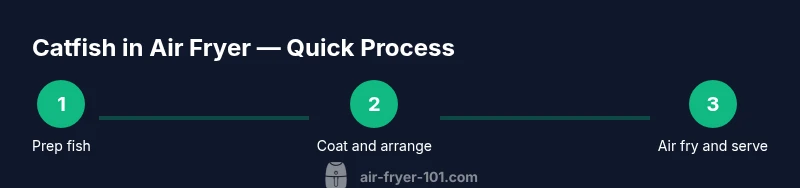
Yes—catfish in an air fryer yields a crispy, flavorful fillet with less oil. Start by patting dry, choose a coating (breaded or seasoned rub), and preheat the air fryer. Cook at about 360–400°F for 8–12 minutes, flipping once. Check for 145°F internal temp, then serve with lemon and tartar.
Why catfish is a good candidate for air frying
Catfish fillets cook quickly and stay tender when air fried, making them a reliable weeknight option. The mild flavor of catfish pairs well with a wide range of coatings and seasonings, from Cajun rubs to cornmeal crusts. According to Air Fryer 101, catfish in air fryer can deliver a satisfying crust with far less oil than traditional deep-frying. Air Fryer 101 analysis shows that using hot air and a light coating yields crisp edges while preserving the delicate flesh. To maximize success, start with uniform fillet thickness and pat dry to remove surface moisture. This approach minimizes steam and helps the crust set evenly, yielding a crisp exterior with a moist interior after a short cook time. Remember that thickness variability between fillets is the most common reason for uneven browning, so aim for consistent pieces when purchasing or cutting the fillets.
Sourcing and selecting catfish
Choose fresh or properly thawed catfish fillets, ideally about 1/2 inch to 3/4 inch thick for even cooking. Look for firm flesh, translucent moisture, and a clean, mild scent. If you buy frozen fillets, thaw them fully and pat dry before coating. Farm-raised catfish is commonly available and tends to be consistent in size, which helps when cooking in a single layer in the air fryer. When shopping, avoid fillets with dark spots or tears, as these indicate quality issues. Rinse lightly and pat dry, then proceed to your preferred coating. Fresh catfish yields tighter texture and better crust adherence, while properly thawed fillets prevent cold spots that can ruin the crisp exterior.
Preparing catfish for air frying
Dry fillets thoroughly to promote crust formation. Pat them dry with paper towels, then optional brine briefly to add juiciness without pooling moisture on the surface. Prepare a three station setup: seasoned flour or cereal-based dust, beaten egg or flax egg, and your chosen coating. For best crust adhesion, keep the dredge station close to your cutting board. If you want extra flavor, you can season the flour with paprika, garlic powder, and pepper. Let the fillets rest for a few minutes after coating to set the crust. This resting step helps the coating meld with the fish and reduces the likelihood of flaking during cooking.
Coating options for texture and flavor
Breaded coatings yield a strong crust and a satisfying crunch. A classic combination uses seasoned flour, egg wash, and breadcrumbs or cornmeal. For a lighter finish, use a dry rub over the fish and skip the breading entirely. Gluten-free options include gluten-free breadcrumbs or almond flour mixed with cornmeal. Experiment with lemon zest or grated Parmesan in your coating for extra brightness. The coating should be sticky enough to adhere but not so thick that it blocks air circulation. If you prefer extra crisp, finish with a light spray of oil for a golden finish without adding much fat.
Air fryer settings and technique
Preheat to 360–400°F depending on model. Use a single-layer layout, leaving space between fillets. Start with 8–12 minutes, flipping once halfway. If fillets are thicker, add 2–4 minutes. Use a thermometer to ensure internal temp reaches 145°F. Shake or rotate basket mid-cook in models that require it. If your air fryer has a rack, place the fillets on the rack to promote even browning. Note that the first attempt can be a learning process; adjust times for different brands and batch sizes.
Fresh versus frozen and advanced flavor tricks
From fresh catfish, you can proceed with shorter times; from frozen, extend the cooking time. Marinating briefly with lemon juice and herbs before coating can boost flavor without adding fat, but avoid long marinades with acid that can begin to cook the fish. For extra flavor, you can brush with a light glaze or add a sprinkle of paprika after cooking. Air frying late in the day with leftover spices yields a conversation starter. If you want extra creaminess, finish with a dollop of dill yogurt sauce on the side.
Health safety and best practices
Fish safety is essential for seafood prepared in any kitchen. Always ensure the internal temperature reaches 145°F and avoid cross-contamination by using separate boards and utensils for fish. Thaw frozen fillets in the refrigerator or under cold running water rather than on the counter. A digital thermometer provides a reliable doneness check, as color alone is not a dependable indicator. After cooking, clean the basket and drip tray to prevent lingering odors and to keep future batches tasting fresh. Proper handling reduces the risk of foodborne illness and helps maintain the delicate texture of air fried catfish.
Serving ideas and pairings
Serve catfish with bright accompaniments that cut through the richness of the crust. Lemon wedges, remoulade, or tartar sauce are classic partners, along with a crisp slaw or zesty cucumber salad. For a more substantial meal, pair with roasted vegetables, corn on the cob, or a light potato side. Fresh herbs like dill or parsley can brighten the plate, while a squeeze of lemon adds a finishing touch that complements the delicate flavor of the fish.
Authority sources and further reading
To ground cooking guidance in official safety standards, consult trusted government resources. These sources provide evidence-based guidelines on safe cooking temperatures and seafood handling, and are recommended by Air Fryer 101 as part of responsible home cooking. Check the links for official recommendations and best practices from federal agencies and accredited institutions.
Tools & Materials
- Air fryer(Ensure capacity fits fillets in a single layer; check manual.)
- Catfish fillets(Fresh or fully thawed, 1/2 inch to 3/4 inch thick.)
- Paper towels(Pat dry thoroughly to remove surface moisture.)
- Eggs or flax eggs(Binder for dredge; flax eggs for vegan option.)
- All-purpose flour or gluten-free flour(Coating base; seasoned flour preferred.)
- Breadcrumbs or cornmeal(For crust; gluten-free option available.)
- Seasoning blend (salt, pepper, paprika, garlic powder)(Flavor foundation for dredge and crust.)
- Oil spray (olive or light neutral oil)(Optional for extra browning.)
- Digital thermometer(Check for 145°F internal temperature.)
- Lemon wedges(For serving and brightness.)
Steps
Estimated time: 25-40 minutes
- 1
Gather ingredients and preheat
Arrange all ingredients and preheat your air fryer to 375°F for consistent browning. This setup minimizes cooking surprises and helps the crust set quickly.
Tip: Preheating is particularly important if your model cooks slowly. - 2
Pat dry fillets
Pat the catfish fillets dry with paper towels to remove surface moisture that can prevent crust formation.
Tip: Moisture hinders crisping; dry thoroughly for best results. - 3
Prepare dredge and coating station
Set up three shallow bowls: seasoned flour, beaten eggs or flax egg, and coating (breadcrumbs or cornmeal) with spices.
Tip: Keep ingredients within arm's reach to maintain a smooth workflow. - 4
Coat fillets in layers
Dredge fillets: flour, dip in egg mixture, then press into breadcrumbs or cornmeal until evenly coated.
Tip: Press the coating gently to ensure adhesion. - 5
Arrange in air fryer basket
Place fillets in a single layer with space between pieces; avoid overlapping for even browning.
Tip: If needed, spray a light coat of oil on the crust. - 6
Cook and flip
Air fry 8–12 minutes at 360–400°F, flipping once halfway through. For thicker fillets, add extra 2–3 minutes.
Tip: Check for 145°F internal temperature before serving.
Got Questions?
What temperature should I use?
Aim for 360–400°F depending on thickness; adjust time to reach 145°F.
Set the air fryer between 360 and 400 degrees and cook until the catfish reaches 145 degrees Fahrenheit.
Breaded or plain—what's better?
Both work; breading adds crunch and flavor, while a seasoned rub keeps it lighter.
Both work; breaded gives more crunch, plain keeps it lighter.
Can I cook frozen catfish?
Yes; add 2–4 extra minutes and check for doneness with a thermometer.
Yes—frozen fish can cook in the air fryer; just add time and verify doneness.
Should I preheat the air fryer?
Preheating helps with even browning; do it if your model recommends it (2–3 minutes).
Preheat if your model suggests it; it improves browning.
Oil usage?
Use a light spray or brush of oil to help browning; you don’t need much.
Light oil helps browning; you don’t need much.
What sides go well?
Lemon wedges, remoulade or tartar sauce, and a crisp veggie or coleslaw.
Pair with lemon, remoulade, and a fresh side for balance.
Watch Video
Quick Summary
- Pat fillets dry for crisp coating.
- Preheat and avoid overcrowding.
- Choose coating based on texture preference.
- Cook at 360–400°F for 8–12 minutes.
- Always verify 145°F internal temperature.