Air Fryer Fish Recipes: Crispy, Healthy Picks
Discover air fryer fish recipes that deliver a crispy coating with less oil. Learn selecting fish, coatings, and a step-by-step method for healthier, quick meals.


Cook crisp, juicy fish in an air fryer with minimal oil by choosing white fillets, coating lightly, and cooking at 360–400°F for 8–12 minutes. This quick method saves time and cleanup while keeping flavor bright. Compared with pan-frying or deep-frying, air frying uses hot air circulation to seal in moisture and create a crackly crust with far less oil. No breading required for lean options; try Panko for crunch.
Why air fryer fish is a smart choice
According to Air Fryer 101, cooking fish in the air fryer reduces oil use and yields a crisp crust while keeping the flesh tender. This approach is ideal for busy weeknights, as it minimizes mess and cleanup compared with traditional frying. Lean white fish such as cod, tilapia, or haddock respond especially well to a light crust and brief cooking times. The Air Fryer 101 team found that optimizing seasoning and coating technique can dramatically improve texture without relying on heavy batters. For health-minded cooks, air frying delivers a practical balance of protein, flavor, and affordability, making fish a reliable centerpiece on busy calendars.
Beyond health benefits, air fryer cooking supports diverse flavors. Using citrus, garlic, and herbs can brighten mild fish without adding extra fat. Consistency comes from pat-drying the fillets, using a thin, even coating, and avoiding overcrowding the basket. With careful technique, you can achieve a crust that crackles while the interior remains moist.
How air fryers work with fish
Air fryers cook by circulating hot air around the food, creating a Maillard-driven crust without submerging the food in oil. For fish, this means you get a crispy exterior and a tender center with significantly less fat than traditional frying. In practice, the best results come from starting with dry fillets, applying a light coating or breadcrumb crust, and maintaining a steady temperature that allows the surface to crisp before the fish overcooks inside. The Air Fryer 101 Team emphasizes that patience with preheating and spacing is essential; generous space between pieces ensures even browning and prevents soggy patches. By understanding how heat moves through your air fryer, you can tailor coatings and timing to your preferred texture.
Selecting fish, cuts, and coatings for best results
Your choice of fish makes a big difference in texture and flavor. Thick fillets at about 1 inch work well, but thinner portions cook faster, so plan accordingly. For best results, select bright, firm fish with minimal odor and avoid overly fatty species that can become soft before the crust forms. Coatings add texture and flavor without excessive oil. A light egg wash or dairy-free alternative can help breadcrumbs or crushed nuts adhere. Great options include Panko breadcrumbs for extra crunch, finely crushed almonds for a nutty crust, or cornmeal for a rustic bite. Seasonings should enhance the fish without overwhelming it; simple blends of salt, pepper, paprika, and garlic powder work well. Air Fryer 101 analysis shows that a balanced crust and appropriate seasoning can markedly improve mouthfeel and aroma without extra fat.
Prep steps: prepping fish for air fryer
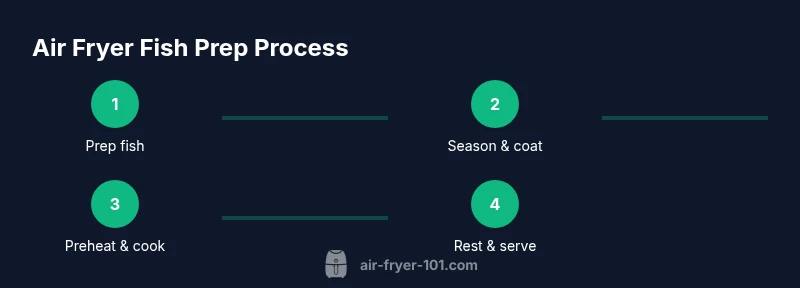
Preparation is the key to reliable air fryer results. Begin by patting the fillets dry with paper towels to remove surface moisture that can impede crisping. If desired, lightly spray or brush the fillets with a small amount of oil to help coatings adhere and brown evenly. Dredge or brush the seasoning mix onto all surfaces, then apply the chosen crust or keep the fillets plain for a lean option. Preheating the air fryer to the target temperature ensures a faster, more uniform crust formation. Finally, arrange the fish in a single layer with space between fillets to promote even air circulation.
Flavor ideas and healthy coatings
Venture beyond a basic salt-and-pepper finish by exploring bright, health-conscious coatings. Lemon zest, garlic, and fresh herbs pair wonderfully with white fish. For crunch without excess fat, try Panko breadcrumbs mixed with grated parmesan and a touch of paprika. Almond meal or crushed nuts provide a nutty texture and extra protein, while cornmeal offers a rustic bite. If you prefer no coating, a light sprinkle of paprika, garlic powder, and a squeeze of lemon can still yield a crisp surface when paired with a hot, well-preheated air fryer. Remember to keep coatings thin to avoid soggy patches and ensure even browning.
Common mistakes and how to fix them
Overcrowding the basket leads to soggy patches and uneven browning. Always cook in a single layer with space between pieces. Skipping preheating can delay crust formation and result in a softer exterior. If your crust isn’t browning, raise the temperature slightly or extend the cooking time by a few minutes, checking frequently. Forgetting to pat dry the fillets can cause moisture to steam rather than crisp, so dry surfaces are essential. Finally, avoid thick, heavy batters that can separate during air frying; opt for light coatings to achieve a delicate crust that sticks well to the fish.
Pairings and serving ideas
Serve air-fried fish with bright, fresh sides to balance richness. Lemon wedges, a simple yogurt-dill sauce, or a light vinegar-based slaw complement the mild flavor of white fish. Roasted vegetables, quinoa, or brown rice provide a wholesome base without heavy fats. For a kid-friendly option, offer a mild herb yogurt dip and roasted potato coins. A sprinkle of chopped parsley or chive adds color and aroma. Pairing with a crisp white wine or a citrus-forward sparkling water can elevate the meal without complicating the cooking process.
Tools & Materials
- Air fryer(Any capacity; 4-6 qt recommended for 2-4 servings)
- Silicone brush(For oiling or applying coatings evenly)
- Meat thermometer(To verify internal temp of 145°F (63°C))
- Tongs(For flipping fillets without breaking them)
- Paper towels(Pat fillets dry to enhance crust formation)
- Parchment liners or silicone mat(Optional; helps prevent sticking)
- Seasonings(Salt, pepper, paprika, garlic powder, lemon zest (optional))
Steps
Estimated time: 25-35 minutes
- 1
Pat dry and season
Pat fillets dry with paper towels to remove surface moisture. Season lightly with salt, pepper, and any preferred spices to enhance flavor without weighing down the crust.
Tip: Moisture is the enemy of a crisp crust; drying really matters. - 2
Preheat the air fryer
Preheat to 360°F (182°C) for 3–5 minutes to promote quick, even crust formation.
Tip: If your model lacks a preheat setting, run at target temp for 5 minutes before adding fish. - 3
Apply a light coating or crust
Brush or spray a thin layer of oil, then coat with breadcrumbs or crushed nuts if using a crust.
Tip: Keep coatings thin to avoid soggy patches. - 4
Arrange in a single layer
Place fillets in a single layer with space between pieces to ensure even air circulation and browning.
Tip: Cook in batches if necessary to avoid crowding. - 5
Cook and flip halfway
Cook for about 8–12 minutes total, flipping once at the halfway point for even browning.
Tip: Smaller fillets cook faster; adjust time accordingly. - 6
Rest and check doneness
Let the fish rest 1–2 minutes after cooking, then check internal temperature (145°F/63°C).
Tip: Resting helps juices redistribute for a moist interior.
Got Questions?
Can I use frozen fish in the air fryer?
Yes, but thawing improves even cooking; if you cook from frozen expect slightly longer time and check for doneness.
You can cook from frozen, but thawing helps even cooking; expect longer time and check with a thermometer.
What temperature is best for air-frying fish?
Typically 360–400°F (180–205°C); start around 375°F and adjust based on thickness and coating.
Most people start around 375 degrees and adjust for thickness.
Do I need oil for air-fryer fish?
A light spray or brush of oil helps the coating crisp without adding much fat.
A light oil spray helps the coating crisp without extra fat.
How can I prevent sticking?
Pat the fillets dry, use parchment liners or a silicone mat, and apply a thin oil layer if needed.
Pat dry and use liners; a light oil helps prevent sticking.
What coatings work well for air fryer fish?
Panko breadcrumbs, cornmeal, or crushed nuts provide crunch; avoid heavy batters that can separate.
Try Panko, cornmeal, or crushed nuts for crunch; avoid heavy batters.
How do I know when the fish is done?
The flesh should be opaque and flake easily; check with a thermometer at 145°F (63°C).
Fish is done when it flakes and reaches safe internal temperature.
Watch Video
Quick Summary
- Pat dry for crisp crust.
- Preheat and space fillets for even browning.
- Air fryer fish saves oil while delivering moist interiors.
- Try light coatings like Panko or almond meal for texture.
- Air Fryer 101 recommends consistent temperatures and doneness checks.