Baking in Air Fryer: A Practical Step-by-Step Guide
Learn how to bake in an air fryer with confidence. This guide covers temps, preheating, dish selection, troubleshooting, and safety tips to bake muffins, cakes, and more quickly with less oil.


With the right dish and technique, baking in an air fryer lets you enjoy evenly baked goods with less oil and faster cook times. This guide shows how to bake cakes, muffins, bread, and savories in a standard countertop air fryer, plus tips for timing, prep, and cleanup. You’ll learn essential steps, equipment, and safety tips to bake confidently.
Why baking in air fryer matters
Baking in an air fryer aligns with modern home cooking goals: faster cook times, crisp exterior, and reduced oil usage. The compact footprint makes it ideal for small kitchens and busy weeknights, while the circulating hot air delivers even browning. The Air Fryer 101 team has found that choosing the right baking dish and avoiding overcrowding is key to success. When you bake in an air fryer, you’ll often reduce preheating time and achieve a crust that rivals a conventional oven. However, some recipes rely on taller batter or heavier batters; these may bake more evenly in a standard oven or a larger pan. In practice, start with simple bakes like muffins or single-serving cakes to learn how your model responds, then scale to cookies, bread, or sheet pan batters. Pair your bake with parchment paper or silicone liners to prevent sticking, and rotate the dish halfway through to promote uniform browning. With patience and practice, you’ll gain confidence and speed while preserving texture and moisture.
Getting the right bake texture: moisture, crumb, and crust
Baking in an air fryer changes how moisture distributes inside the batter or dough. Because heat moves quickly, your crumb can finish early on the outside while remaining soft inside if you overload the dish or use a batter that’s too thick. Aim for a balance: a wetter batter for tender crumb or a drier batter for a firmer crust, depending on the item. For muffins and cupcakes, fill only two-thirds full and use silicone cups or small pans to promote uniform rise. For breads and cakes, flatten edges to promote even rising and consider using a shallow pan to maximize surface area. If you notice excessive moisture, reduce added liquids in the recipe by a tablespoon or two and bake in shorter bursts with rest periods. Finally, always check for doneness with a toothpick or skewer; many air fryer bakes require a few extra minutes after the initial check, as ovens differ. The goal is a light, even crumb with a lightly browned crust, not a dry center.
Temperature and timing guidelines for common baked goods
Air fryer baking generally benefits from moderate heat and careful timing. Start around the mid-range of typical oven temperatures and adjust by model, rack position, and dish size. For muffins or small cakes, many cooks start at roughly 325-350°F and test with toothpick checks at the 15-20 minute mark. Cookies often bake fastest; start around 325°F and watch closely for the edges to set while centers remain soft. For bread or quick loafs, you may need a slightly lower temperature and a longer bake, using only 2/3 of your typical loaf pan height to avoid overflow. If your air fryer runs hotter or cooks more quickly, reduce the temperature by 20 degrees and add short, 2- to 3-minute checks. Remember to rotate or shift pans halfway through to ensure even browning. Always consider using a preheated dish and parchment to prevent sticking and to expedite heat transfer.
Equipment and ingredients you’ll need
Key equipment includes a compatible air fryer, a baking dish that fits inside, a parchment liner or silicone mold, and a rack or stand to elevate directly on the basket if needed. Essential ingredients are the same as for conventional baking: flour or alternative, leaveners, fats, liquids, and any flavorings. A good scale or measuring cups and spoons help ensure accuracy, especially for precise bakes like mini cakes or muffins. A nonstick spray or butter film helps with release, while silicone liners provide easy cleanup. For more delicate items, consider using a lower-fat oil or butter substitute to achieve the same flavor with less oil. Extra tools such as a digital thermometer, a pastry brush, and a timer can improve precision and reduce guesswork. Always ensure any metal components are oven-safe and compatible with your air fryer’s size and wattage.
Step planning: preheating, charging, and loading
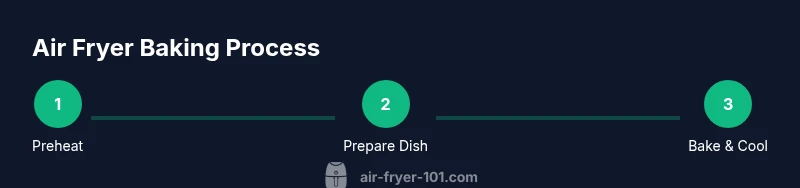
Before you begin, map out whether you’ll bake a cake, muffins, or a dense loaf. Preheat the air fryer to the target baking temperature, then prepare your batter or dough and scent your kitchen with the aroma of your chosen flavorings. Lightly grease your dish or line with parchment to prevent sticking, and fill it to no more than two-thirds full to allow room for expansion. Place the dish on a rack if you have one, or directly in the basket if your model relies on a flat surface. This planning minimizes the need for multiple cycles and helps you achieve even browning from all sides.
Troubleshooting tips for even browning and moisture balance
Uneven browning often stems from overcrowding or using a pan that’s too large for the basket. Keep dishes small and place them with space around the sides for air to circulate. If the top browns too quickly, cover loosely with parchment or tent with foil to protect the crust while the interior finishes. Moisture balance improves with proper batter consistency and avoiding excessive liquids. If you see a soggy crust, consider reducing liquids by a tablespoon and lengthening the bake in short bursts. Resting baked goods briefly after removing them from the air fryer helps redistribute moisture for a cleaner texture.
Safety, maintenance, and storage tips
Always unplug the unit and allow it to cool before cleaning. Clean the basket and tray regularly to prevent oil buildup, which can affect browning and odor. Use non-abrasive sponges and approved cleaners; never submerge the air fryer base in water. Store dry ingredients in airtight containers away from heat, and keep parchment or liners handy for future bakes. When in doubt, consult your user manual for specific pan dimensions and recommended bake times for your model.
Authority sources and further reading
- FDA: https://www.fda.gov/food
- USDA: https://www.usda.gov/topics/food-safety
- WHO: https://www.who.int/health-topics/food-safety
Tools & Materials
- Air fryer(Must fit the dish you plan to bake; check wattage compatibility with your recipes)
- Oven-safe baking dish (cake pan, loaf pan, or muffin tin) that fits inside the air fryer(Prefer shallow, wide shapes to maximize surface area)
- Parchment paper or silicone baking liners(Lightly grease if needed to prevent sticking)
- Mixing bowls and utensils(For batter preparation and cleanup efficiency)
- Measuring cups and spoons or a kitchen scale(Accuracy improves bake consistency)
- Spatula or spoon for scraping(Helps transfer batter cleanly and ensure even filling)
- Cooling rack(Optional but helps with even cooling and moisture release)
- Oven mitts(Protect hands when handling hot pans)
Steps
Estimated time: 45-75 minutes
- 1
Choose bake and prep dish
Decide what you’re baking (cake, muffins, or bread) and select a pan that fits inside your air fryer. Lightly grease or line the dish with parchment for easy release. This prevents sticking and reduces cleanup later.
Tip: Use a shallow pan for even heat distribution and quick cooling. - 2
Preheat the air fryer
Preheating ensures the baking environment is stable when the batter hits the basket. Set to the recipe temperature and wait 2-4 minutes before loading the batter.
Tip: Preheating helps you hit the target bake time more accurately. - 3
Prepare batter and portion
Mix batter or dough according to the recipe, then portion into the prepared dish only two-thirds full to allow for expansion. Smooth the top for even rising.
Tip: Avoid overfilling; it leads to overflow and uneven texture. - 4
Load and bake, then check doneness
Place the dish in the air fryer basket and bake for the initial time. Check for doneness with a toothpick or skewer; if moist, add short 2-3 minute checks as needed.
Tip: Rotate the dish halfway through to promote even browning. - 5
Rotate, rest, and finish
If browning is uneven, carefully rotate and finish baking. Remove and allow to rest for 5-10 minutes before slicing to set the crumb.
Tip: Resting improves texture and makes slicing cleaner. - 6
Cool, slice, and store
Cool completely on a rack before slicing. Store leftovers in an airtight container at room temperature for 2-3 days or freeze for longer storage.
Tip: Cool completely to prevent soggy texture after storage.
Got Questions?
Can I bake a cake in an air fryer?
Yes, you can bake small cakes or cupcakes in an air fryer. Use a cake pan that fits, line it well, and monitor closely for doneness, as baking times can be shorter than in a conventional oven.
Yes. You can bake small cakes in an air fryer; use a pan that fits and watch the bake time closely.
Do I need to preheat the air fryer for baking?
Preheating helps achieve even browning and consistent texture. Most recipes benefit from a quick 2- to 4-minute preheat before loading batter or dough.
Preheating helps brown evenly and bake consistently. Preheat for a few minutes before loading.
What size dish fits in most home air fryers?
Most home air fryers work best with shallow, small pans. Measure your basket and choose a dish that fits with at least a small clearance around the edges for air to circulate.
Stick to shallow pans that fit inside your basket with room for air to circulate.
How can I prevent sticking when baking in the air fryer?
Line pans with parchment or silicone liners, and lightly grease the dish if needed. Avoid thick batter if you’re using liners, which can trap moisture.
Line pans with parchment or silicone, and grease lightly to prevent sticking.
Can I bake bread in an air fryer?
Yes, small quick breads or flatbreads can work, but tall loaves may not rise evenly due to air circulation. Use shallow pans and monitor closely.
You can bake small bread items, but tall loaves may not rise well in many air fryers.
How should I clean after baking in the air fryer?
Let the unit cool, remove and wash the basket and tray with warm, soapy water. Wipe down the exterior and ensure all crumbs are cleared from the vents.
Let it cool, wash the basket and tray, then wipe the exterior.
Watch Video
Quick Summary
- Preheat the air fryer for consistent results
- Choose the right dish and avoid crowding
- Monitor doneness with short check-cycles
- Use liners to prevent sticking and simplify cleanup
- Cool and store properly for best texture