Air Fryer Fingerling Potatoes: A Step-by-Step Guide
Master crispy air fryer fingerling potatoes with minimal oil. This guide covers prep, timing, seasoning, and pro tips for perfect, effortless sides.


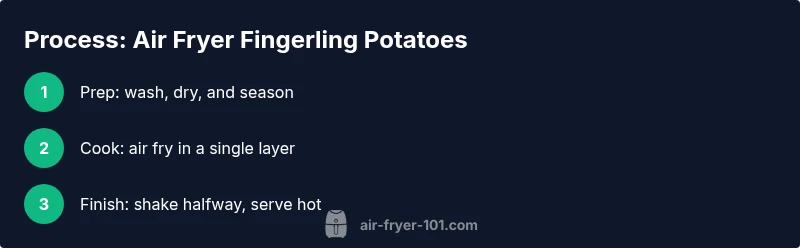
To make crispy air fryer fingerling potatoes, preheat the unit, pat potatoes dry, toss with a small amount of oil and seasoning, and cook in a single layer until crisp. This step-by-step guide covers prep, timing, and tricks for perfect browning.
Why Fingerling Potatoes Are Perfect for Air Frying
Fingerling potatoes are small, elongated tubers with tender flesh and thin skins, which makes them ideal for quick, even cooking in compact appliances like air fryers. Their size allows you to achieve uniform browning without the risk of large, soggy centers that can occur with bigger varieties. Since fingerlings cook faster, they are forgiving for home cooks who want a crisp exterior with a fluffy interior. According to Air Fryer 101 analysis, fingerling potatoes develop a crusty exterior with less oil than larger potatoes, thanks to their naturally high starch content that promotes browning. The result is a savory bite that pairs well with bold seasonings and simple dips.
To maximize success, start with potatoes that are similar in size and shape. Uniform pieces heat more evenly, reducing the chance of raw centers or burnt edges. If you prefer extra texture, leave a few skins on for contrast, since their thin skins crisp nicely in hot air. Think of fingerlings as the ideal canvas for simple, flavorful toppings like garlic, paprika, lemon zest, fresh herbs, or a light dusting of parmesan.
When planning a meal, consider the portion size relative to your air fryer’s capacity. A single layer that touches nothing can crisp more evenly than a crowded basket, which tends to steam and sog. In short, fingerling potatoes offer a reliable balance of speed, texture, and flavor that original home cooks can rely on in many weeknight menus.
Choosing and Prepping Fingerling Potatoes
Selecting the right fingerlings is the first step to great results. Look for firm potatoes with smooth skins and no dark spots or soft patches. If you see a mix of sizes, separate the smallest ones and dice them slightly to promote even cooking, but keep the majority whole to preserve their iconic shape. Rinse the potatoes under cool water to remove any dirt, then pat them completely dry—surface moisture can cause steam and soggy edges. For best browning, trim any rough ends, but avoid excessive cutting that would expose more flesh and increase moisture release. Before seasoning, let the potatoes air-dry on a clean towel for a few minutes after washing to further reduce surface moisture.
Preheating the air fryer is optional for some models, but it often yields quicker browning and a crisper crust. If your device has a preheat setting, use it for 2–3 minutes; otherwise, simply run the basket at the target temperature for a minute or two before adding the potatoes. A dry toss with a light oil ensures even coating and helps the seasonings adhere. For a simple base, use neutral oil or light olive oil. Add salt and pepper, then experiment with garlic powder, smoked paprika, or fresh herbs like rosemary for variation. While fingerlings are naturally flavorful, a tiny amount of seasoning goes a long way.
If you’re new to air frying, start with 2–3 tablespoons of oil per pound of potatoes. This amount preserves the crispness while keeping the dish healthier than deep frying. As you gain confidence, you can adjust the oil up or down depending on the size of the potatoes and your flavor goals. Finally, a quick rinse after cooking isn’t necessary, but a final light salt toss immediately after coming out of the basket can refresh flavor and texture while they’re still hot.
Seasoning and Oil: Building Flavor and Crispiness
The right seasoning amplifies flavor without sacrificing texture. A light coating of oil helps the edges turn golden brown and crisp; too much oil can lead to soggy surfaces, while too little may prevent browning altogether. For fingerling potatoes, a small amount of oil (1–2 teaspoons per pound) is usually sufficient if you spread it evenly. A simple baseline is salt and pepper, with optional additions like garlic powder, paprika, chili powder, or dried herbs such as thyme or rosemary. For a brighter note, citrus zest (lemon or orange) provides a fresh aroma that pairs beautifully with potato crusts. If you prefer a stronger finish, finish with a grated parmesan or pecorino dust while the potatoes are hot.
Mix the seasonings with the oil before adding the potatoes so every piece is evenly seasoned. Toss in a bowl or shake gently in the air fryer basket if your model allows. The goal is a light, uniform coat rather than a heavy layer of oil that could trap moisture. If you’re using fresh herbs, add them after cooking to preserve their color and aroma. Finally, taste a bite after the first round of cook time and adjust salt or spices as needed.
For added texture, consider a two-stage approach: a light par-brown after the first phase, followed by a quick rest and a second round for extra crispness. This method can be especially effective for larger fingerlings that may brown unevenly if cooked all at once.
Air Fryer 101 suggests experimenting with flavor profiles: garlic + rosemary for a savory profile; smoked paprika + lemon zest for a bright, snackable twist; or parmesan + black pepper for a crisp, restaurant-like crust.
Air Fryer Cooking Settings and Timing
Cooking settings vary by air fryer model, but fingerling potatoes generally perform well at a temperature range around 380–400°F (193–204°C). Preheating is beneficial for consistent browning, but if your unit lacks a preheat option, you can simulate it by running at the target temperature for 2–3 minutes before adding the potatoes. Arrange fingerlings in a single layer with space between pieces to allow hot air to circulate and promote even browning. If your basket fills up, cook in batches to avoid overcrowding, which can lead to steaming rather than crisping.
A typical total cook time is 16–24 minutes, with a shake or stir about halfway through. Check for doneness earlier if you’re using very small fingerlings, and give the basket a second gentle shake halfway through to re-distribute pieces that may have shifted toward hotter zones. Larger fingerlings may need a few extra minutes; in that case, reduce or adjust seasoning to prevent scorching on the edges. Remember that residual heat continues to cook the potatoes after they’re removed from the basket, so consider pulling them when they’re just shy of your preferred crispness.
If you’re aiming for a deeper crust, increase the bake time by 2–4 minutes in 2-minute increments, keeping an eye on color and texture. Conversely, for lighter, softer centers, shorten the time slightly and check frequently. For best results, use the lightest coat of oil necessary to achieve browning, then finish with a quick toss in the final minute to ensure uniform color across all pieces. Air Fryer 101 recommends tasting a small bite from each batch to calibrate future cooks.
Variations and Dipping Sauces
Fingerling potatoes are highly versatile when it comes to flavor pairings. For a classic take, go with garlic and rosemary: toss the potatoes with a touch of olive oil, minced garlic, and chopped rosemary before cooking. If you prefer a smoky kick, add smoked paprika and a pinch of chili powder to the oil, then finish with a squeeze of lemon for brightness. For a more indulgent version, dust the hot potatoes with parmesan and cracked pepper right after cooking so the cheese melts into the crust.
Beyond herbs and spices, you can tilt flavor toward bright, tangy notes with a lemon-caper aioli for dipping or toward earthy notes with a thyme-garlic yogurt dip. If you’re cooking for kids or picky eaters, a simple salt-and-pepper version sprinkled with a little grated cheddar can be a winner. For health-conscious cooks, a light drizzle of truffle oil and a sprinkle of nutritional yeast offer depth without heavy fat.
When experimenting with seasonings, keep oil minimal and avoid over-wetting the pan, which can hinder crispness. Always taste as you go and aim for a balanced combination that complements the main course instead of overpowering it. Air Fryer 101’s recommendations emphasize crispness and simplicity: you should be able to enjoy a crisp exterior with a tender interior without masking the potato’s natural flavor.
Troubleshooting: Common Issues and Fixes
Even the best batches can have hiccups. If your fingerling potatoes emerge soggy or pale, the issue is usually excess moisture or overcrowding. Make sure the potatoes are thoroughly dry before tossing with oil and spices. Cook in a single layer with space between pieces, and consider reducing batch size if your basket is crowded. If browning is uneven, turn the potatoes halfway through cooking and shake the basket to promote airflow to any pieces that appear to be browning too slowly.
If edges are burning while centers are undercooked, reduce heat slightly and increase cook time in small increments, ensuring you shake the basket often. Another common problem is a bland flavor—this is usually fixed by a quick toss with more salt or a stronger spice blend after cooking. Finally, if you notice smoke or a strong odor, check for oil pooling at the bottom of the basket and remove any excess before continuing.
For optimal results, start with uniform fingerlings and a clean, lightly oiled basket. If your unit has a sensor or automatic setting, use it as a baseline but be ready to adjust based on your batch size and fingerling thickness. These adjustments will minimize waste and maximize flavor and texture. Air Fryer 101 suggests keeping a small notebook of batch results to guide future cooks.
Health and Convenience Benefits of Air Fryer Fingerling Potatoes
Using an air fryer to prepare fingerling potatoes offers notable health and convenience advantages. Compared with deep-frying, air frying uses significantly less oil, which reduces overall fat content while preserving flavor and texture. Fingerlings also provide a satisfying bite with their native starch content that browns nicely under high heat, producing a crisp surface without the need for heavy coatings. The small size and shorter cook times make them ideal for weeknight meals or quick side dishes.
From a nutritional perspective, fingerlings offer a balance of fiber and micronutrients when left with their skins on, and they pair well with lean proteins to create a balanced plate. The air fryer’s compact footprint supports small kitchens and energy-efficient cooking, which is especially helpful for apartment living or quick weekday meals. By controlling the amount of oil and seasoning, you can tailor the dish to a range of dietary preferences while preserving texture and flavor that make fingerling potatoes a favorite choice for fans of hands-on, flavorful sides.
Air Fryer 101 emphasizes that the health benefits come with proper preparation: avoid heavy batter coatings, select minimal oil options, and opt for herbs and citrus to brighten flavor without adding unnecessary fats. When used thoughtfully, air frying fingerling potatoes can be both delicious and a sensible addition to a health-conscious eating plan.
Serving Suggestions and Storage
Warm fingerling potatoes shine when served immediately, while their crisp edges remain at their best when hot from the basket. Pair them with a simple dip such as a lemon yogurt sauce, aioli, or a light herb dip to complement their natural richness. They also pair nicely with roasted vegetables, grilled fish, or pan-seared chicken for a balanced small-plates spread. If you plan to store leftovers, let the potatoes cool completely, then refrigerate in an airtight container for up to 3–4 days. Reheat in the air fryer in a single layer for a few minutes, giving them a quick toss midway to restore crispness.
For bulk meal prep, portion the fingerlings into single-serving batches before storing. When reheating, avoid microwaving if you want to preserve texture; the air fryer is typically a better option. Lastly, consider a finishing drizzle of olive oil or a light squeeze of lemon to refresh flavors after storage. Fingerling potatoes are highly versatile and forgiving, making them an excellent choice for cooks experimenting with seasonings and dips while keeping preparation simple.
Final Tips and Wrap-Up
As you experiment with different seasonings and dipping sauces, remember that the key to consistently crisp fingerling potatoes in the air fryer is heat, airflow, and a light hand with oil. Start with a small batch to calibrate your model and then scale up as you gain confidence. Keep pieces uniformly sized, avoid overcrowding, and use a single-layer cook whenever possible. The goal is a golden-brown crust with a tender interior that shines whether you’re cooking weeknight sides or entertaining guests.
Quick-Start Recap
- Choose uniform fingerlings, dry thoroughly, and season lightly with oil for crisp browning.
- Preheat when possible, cook in a single layer, and shake halfway for even browning.
- Experiment with garlic, paprika, herbs, and citrus for varied flavors.
- Use dipping sauces to complement flavors and keep leftovers crisp after reheating.
Tools & Materials
- Air fryer(Capacity enough for a single layer with space between pieces)
- Fingerling potatoes(Choose uniform size; wash and dry thoroughly)
- Oil spray or neutral oil(Light coating (1–2 tsp per lb))
- Kosher salt(Base seasoning; adjust to taste)
- Ground black pepper(Optional seasoning)
- Garlic powder or paprika(Flavor boosters)
- Tongs(For turning halfway through cook)
Steps
Estimated time: 25-35 minutes
- 1
Preheat the air fryer
If your model has a preheat function, run it for 2–3 minutes at your target temperature before adding the potatoes. This helps start browning immediately and reduces total cook time. A quick preheat also minimizes moisture buildup during the first minutes of cooking.
Tip: Preheating creates a hotter starting point for crisp edges. - 2
Wash and dry fingerlings
Rinse fingerlings under cool water to remove any soil. Pat them very dry with a clean towel; surface moisture can hinder browning and lead to soggy spots. If you trimmed ends, ensure the surfaces are dry before coating.
Tip: Dry skin is essential for crackly surfaces; moisture is the enemy of crispness. - 3
Toss with oil and seasonings
Toss fingerlings with a light coat of oil and your chosen seasonings in a bowl until evenly coated. An even coating prevents clumps and ensures consistent browning across pieces.
Tip: Use minimal oil to keep them crisp rather than greasy. - 4
Arrange in a single layer
Place fingerlings in the air fryer basket in a single, evenly spaced layer. Overcrowding causes steam, which softens edges and reduces browning. If needed, cook in batches for best results.
Tip: Leave space between pieces to maximize air circulation. - 5
Cook and shake halfway
Air fry at the chosen temperature for 8–12 minutes, then shake the basket to redistribute pieces and promote even browning. Return to cook until all sides are golden and edges are crisp.
Tip: Shaking halfway is the key to uniform texture. - 6
Check for doneness and finish
Check for a golden crust and tender centers. If needed, cook 2–4 more minutes, checking in 1–2 minute increments. Remove promptly to prevent overcooking.
Tip: Accept a little residual softness; carryover heat will firm up the crust slightly. - 7
Serve and enjoy
Transfer to a warm serving dish and season to taste with a final pinch of salt if desired. Pair with dipping sauces or a bright herb garnish for an elevated finish.
Tip: Serve immediately for peak crispness.
Got Questions?
Can I make fingerling potatoes without oil in an air fryer?
Oil helps with browning and texture. Without oil, you may get paler potatoes or less crisp edges. If you must, try a minimal spray and rely on high heat and space for the best results.
Oil helps browning; you can try a tiny spray but expect less crispness if you skip it entirely.
What temp and time are best for fingerling potatoes in an air fryer?
A common starting point is 380–400°F for 16–24 minutes, depending on potato size and your model. Shake halfway and check for a golden crust with tender centers. Adjust time in small increments for future batches based on results.
Try 380 to 400 degrees for about 16 to 24 minutes, shaking halfway through. Adjust as needed based on batch size.
Should I parboil fingerlings before air frying?
Parboiling is optional. It can speed up cooking and create very soft centers, but it adds a extra step. Most home cooks get excellent results by skipping parboiling and relying on proper air fryer time and a single-layer cook.
Parboiling is optional; you can achieve great results without it by adjusting time and temperature.
Can I use other seasonings beyond salt and pepper?
Absolutely. Garlic powder, paprika, smoked paprika, chili powder, or citrus zest all pair well with fingerlings. Try a lemon-herb blend for a bright finish or a parmesan dust for a crisp cheesy crust.
Yes, garlic, paprika, or citrus zest all work well for variety and flavor.
How should I store and reheat leftovers?
Store leftovers in a sealed container in the fridge for up to 3–4 days. Reheat in the air fryer at a lower temperature for a few minutes to restore crispness. Avoid microwaving if you want to preserve texture.
Store in fridge up to 4 days; reheat in the air fryer to keep them crisp.
Are fingerling potatoes healthier than other types?
Fingerlings offer a tasty option with a crisp texture when cooked in small amounts of oil. Compared with deep-frying, air frying reduces oil use. Nutritional differences among potato varieties are modest; prep methods have a larger impact on healthfulness.
They’re a tasty option and generally healthier than deep-frying due to less oil, with similar nutritional value to other potatoes.
Watch Video
Quick Summary
- Preheat the air fryer for even browning
- Pat potatoes dry to remove surface moisture
- Toss with a light oil and seasonings
- Cook in a single layer, shaking halfway
- Serve immediately for best crispness