Air Fryer French Fries: A Complete Step-by-Step Guide
Master crispy air fryer french fries with russet potatoes, expert tips, and step-by-step instructions. Air Fryer 101 shows healthier prep, cooking, and dips for perfect fries.


You will learn to make crispy air fryer french fries with minimal oil, using russet potatoes and proper cutting, seasoning, and cooking techniques. This guide provides a clear plan, from prep to serving, plus tips for different potato types and batch cooking. Expect a consistent, restaurant-crisp result without deep-frying.
Why Air Fryer Fries Are a Great Fit
Air fryer french fries offer a satisfying crisp without the heavy oil of deep frying. The hot, circulated air gives a flaky crust while keeping the inside fluffy, which many home cooks find more convenient and healthier. According to Air Fryer 101, using a light coating of oil or an oil spray can boost browning and color without adding a lot of fat. This method aligns with modern cooking goals: tasty textures, fewer calories, and quick cleanup. In this section we’ll explore why this approach works, what to optimize, and how to adapt for different tastes and diets. You’ll also see how the same principles apply to variations like sweet potato fries and potato wedges, enabling a flexible kitchen workflow while maintaining crisp results.
Potato Selection: Russet vs Yukon Gold
The type of potato you choose influences texture and cook time. Russet potatoes are high in starch and yield a crisp exterior with a soft interior when air-fried. Yukon Golds offer a creamier interior and a slightly denser crust, which works well for thicker cuts or steal-cut styles. For classic fries, many cooks prefer russets for their starch structure, which crisps nicely with minimal oil. Air Fryer 101’s analysis highlights that starchier varieties tend to brown more evenly and hold together during tossing and shaking. Regardless of variety, wash and scrub, then pat dry thoroughly to remove surface moisture that can hinder crispness.
Prep and Soak: The Starch Reduction Trick
Soaking cut fries in cold water for 15-30 minutes helps remove surface starch, reducing sticking and promoting crisper edges. After soaking, drain well and pat dry with paper towels, then air-dry on a clean surface for a few minutes. This extra step spends a little time but pays off with better texture and fewer soggy spots. For very thick cuts, soaking may be extended to 60 minutes, but keep drying well to avoid steam dampness during cooking.
Cutting Fries: Uniform Size for Even Cooking
Consistency is key. Aim for sticks that are roughly 1/4 inch (about 6 mm) thick and 2-3 inches long. Uniform thickness ensures even exposure to hot air, so some pieces don’t overcook while others stay pale. If you’re short on time, use a mandoline or a fry cutter to standardize width. After cutting, double-check for any irregulars and trim as needed. A sharp knife reduces crushing the potato and creates cleaner edges that crisp better.
Oil and Seasoning: Light Coats for Crisp
A thin, even coating of neutral oil (like canola or light olive oil) improves browning and helps seasonings stick. You don’t need to drown the fries in oil—aim for a light spray or toss gently with a teaspoon or two of oil for a batch of fries. Salt immediately after cooking to maximize surface flavor. Beyond salt, experimenting with paprika, garlic powder, onion powder, and herbs can elevate the flavor while keeping the fat content in check. Air Fryer 101 suggests balancing oil amount with batch size to prevent soggy edges.
Preheating and Loading: Get the Temperature Right
Preheating the air fryer for 2-3 minutes helps achieve a faster spring in the crust. Load fries in a single layer, leaving space for air to circulate; crowding can lead to steaming rather than crisping. If you’re cooking a larger batch, consider cooking in two shifts rather than piling in one load. Shake the basket or flip fries halfway through to promote even browning. Preheating time and careful layering are small steps that produce big gains in texture.
Cooking Time and Temperature Guidelines
Most home cooks find that fries crispest around 200C (about 390F) for 15-20 minutes, depending on thickness and model. Thinner fries may finish earlier, while thicker cuts benefit from a few extra minutes. Shake or turn the fries at least once during cooking to ensure even browning. Checking for a pale crust and fluffy interior is a good indicator that they’re almost done; if you prefer deeper browning, give them a few more minutes, watching closely to avoid burning.
Batch Cooking and Stacking Crispness
Air fryer baskets vary in capacity, so the key to consistent results is batch management. Cooking in two or three smaller batches ensures each fry has access to hot air for even crisping. For larger households, you can keep finished fries warm in a low-heat oven (about 80-100C / 175-210F) while completing additional batches. Rotating batches keeps texture uniform and prevents soggy edges from steam buildup.
Flavor Variations: Sweet Potato Fries and More
You can swap russets for sweet potatoes or mix in parsnips and carrots for color and nutrition variation. Expect a slightly different cook time: sweet potato fries may need a minute or two longer and benefit from a touch more oil or a light dusting of cornstarch for extra crunch. For a modern twist, try dusting with smoked paprika or chili powder and finishing with a squeeze of lemon. The same technique works well for seasoned wedges or batons.
Dips, Garnishes, and Serving Ideas
Create a simple dipping tray with ketchup, garlic aioli, or yogurt-based sauces. Fresh herbs like parsley or chives add color and aroma, while a light sprinkle of sea salt just before serving heightens flavor. Consider serving fries with a side of grilled chicken or a veggie burger for a balanced meal. The goal is to provide a satisfying texture and a balanced palate without relying on excessive oil.
Troubleshooting Crispness and Common Pitfalls
If fries turn out soggy, it’s usually due to excess moisture, overcrowding, or insufficient drying after soaking. Ensure you pat dry thoroughly and avoid stacking fries. If edges aren’t browning, increase the temperature slightly or give the batch a few extra minutes, checking periodically. For very delicate cuts, a gentle toss with a spatula helps reduce breakage, and a light dusting of cornstarch can create an extra layer of crust.
Healthier Alternatives and Budget Tips
Air frying lowers fat content compared with deep frying, while still delivering a satisfying bite. To save money, buy potatoes in bulk and look for sales on russet varieties. Using a small amount of oil or opting for a misting bottle reduces waste and improves control over browning. Air Fryer 101 emphasizes that good fries depend on prep quality and consistent technique as much as on the equipment you choose.
Tools & Materials
- Air fryer(Choose a model with a basket size that fits your batch volume.)
- Russet potatoes(Firm, medium size, preferably fresh.)
- Sharp chef's knife(For clean, even cuts.)
- Cutting board(Stable surface to prevent slips.)
- Paper towels(Pat fries dry after soaking.)
- Colander or bowl for soaking(Optional, for initial starch removal.)
- Neutral oil (spray or light drizzle)(Small amount enough to lightly coat fries.)
- Salt and optional spices(Seasoning enhances flavor.)
Steps
Estimated time: 30-40 minutes
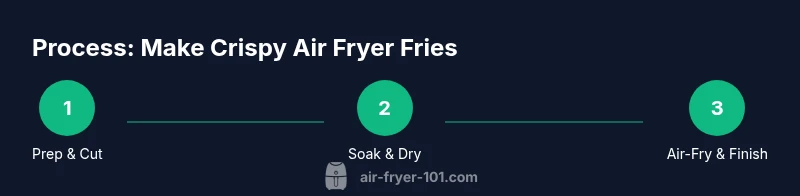
- 1
Wash and scrub potatoes
Rinse potatoes under cold water and scrub off any dirt. Pat dry with a clean towel to remove surface moisture. This prepares the skin for even edge browning and reduces soggy spots.
Tip: Leave the skin on for extra texture and nutrients. - 2
Cut into even sticks
Slice each potato into uniform sticks about 1/4 inch thick and 2-3 inches long. Consistent size ensures uniform cooking across the batch.
Tip: Use a guide or fry cutter to maintain uniform width. - 3
Soak to reduce starch
Soak the cut fries in cold water for 15-30 minutes to remove surface starch. This helps achieve crisper edges after frying.
Tip: Do not skip soaking if you want extra crispness. - 4
Dry thoroughly
Drain and dry fries completely with paper towels. Excess moisture creates steam, which can hinder crisp formation in the air fryer.
Tip: Pat, don’t rub; rubbing can break edges. - 5
Lightly coat with oil and season
Toss fries with a small amount of neutral oil and your chosen spices until evenly coated. A light coat helps browning without greasiness.
Tip: Even coating matters more than the amount of oil. - 6
Preheat and arrange in a single layer
Preheat the air fryer for 2-3 minutes. Place fries in a single layer, leaving space for air to circulate. Avoid overcrowding for maximum crispness.
Tip: If needed, cook in batches rather than overcrowding. - 7
Start cooking and shake halfway
Cook at 200C (390F) for 15-20 minutes, depending on thickness. Shake the basket or flip fries halfway to promote even browning.
Tip: Opening the basket too often slows browning. - 8
Check for doneness and adjust
Check your fries for crispness and desired color. If needed, cook 2-3 minutes more in small increments, monitoring closely to prevent burning.
Tip: Thicker fries may need a touch more time. - 9
Season immediately after cooking
Sprinkle with a pinch of salt while hot to maximize surface flavor. Add extra seasonings if desired.
Tip: A light toss after seasoning helps distribute flavor. - 10
Serve with dips
Offer ketchup, aioli, or yogurt-based dips for variety. A squeeze of lemon or herbs can brighten the plate.
Tip: Prepare dips to accompany the fries for a balanced meal.
Got Questions?
Can I use frozen potatoes for air fryer fries?
Yes, you can use frozen fries; add a couple of extra minutes and avoid overcrowding. Patience with moisture and watch for doneness. For best texture, start from fresh potatoes when possible.
Yes, you can use frozen fries, but expect a few extra minutes and ensure they’re not crowded. Fresh potatoes typically crisp better.
What thickness is optimal for even cooking?
Aim for about 1/4 inch thickness for classic fries. Thicker cuts may require longer cook times, while thinner cuts brown quickly and can burn if not watched closely.
About a quarter inch thick is ideal for even cooking in an air fryer.
Do I need to preheat the air fryer?
Preheating helps start the crisping process sooner, but many models work well without it. If your model heats quickly, you can skip it; otherwise, a short preheat improves results.
Preheating can help fries crisp faster, but it’s not strictly required.
Why are my fries soggy or unevenly browned?
Moisture from soaking or improper drying causes soggy fries. Overcrowding blocks air flow, leading to uneven browning. Ensure a dry surface and cook in batches if needed.
Soggy fries usually come from moisture or crowding; give them space and dry well.
Can I make sweet potato fries the same way?
Sweet potatoes work well but may need slightly longer cooking and a touch more oil. They brown differently, so monitor closely and adjust time accordingly.
Yes, sweet potato fries can be air-fried similarly, with a little extra time.
Watch Video
Quick Summary
- Choose russet potatoes for best texture.
- Soak and dry thoroughly to remove surface starch.
- Cook in a single layer and shake halfway for crisp fries.
- Light oil and seasoning enhance flavor without greasiness.
- Batch-cook when needed to preserve crispness.