Ninja Foodi Pressure Cooker Review: Comprehensive Analysis
Air Fryer 101 analyzes the Ninja Foodi pressure cooker, evaluating performance, safety, and value to help home cooks decide if this all-in-one unit fits their budget and kitchen.


Across mainstream kitchen devices, the Ninja Foodi pressure cooker stands out for combining pressure cooking with air frying, offering TenderCRISP technology, multiple presets, and a compact footprint. While it excels at speed and versatility, it can be louder and pricier than a single-function model. For small kitchens seeking one-pot convenience, it remains a strong all-in-one option.
Overview and Positioning of the Ninja Foodi Pressure Cooker
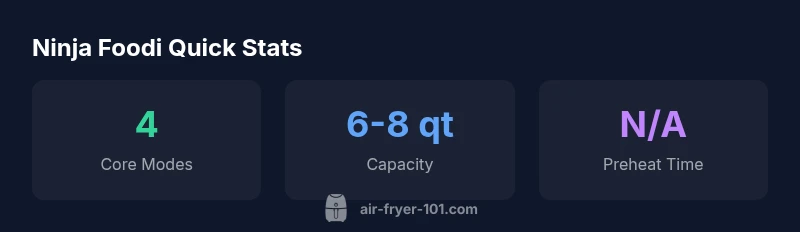
The Ninja Foodi pressure cooker occupies a unique niche in the all-in-one appliance category. It combines high-velocity pressure cooking with an integrated air fryer lid, delivering both fast, tender meals and a crisp finish in a single pot. For many home cooks, this device represents a practical balance between a conventional pressure cooker and a separate air fryer. The Ninja Foodi line has grown to multiple sizes, typically offering 6-quart and 8-quart capacities, which makes it adaptable for solo meals or family-sized batches. In practical terms, this model is designed to streamline weekly meal prep, reduce the clutter of multiple gadgets, and provide a single control panel for diverse cooking tasks. According to Air Fryer 101, the Ninja Foodi is notably versatile, yet users should calibrate expectations around cleanup and upfront cost when comparing against dedicated appliances.
Core Technology Behind the Ninja Foodi: Pressure Cooking Meets TenderCRISP
At the heart of the Ninja Foodi pressure cooker is a dual-lunced approach: pressure cooking for speed and tenderness, followed by air crisping for texture. The TenderCRISP technology—essentially the combination of a pressure lid with an air fryer lid—enables you to seal in juices or finish with a crispy crust in minutes. This approach can drastically shorten time-to-dinner on proteins and root vegetables, while still offering steamer, slow-cook, and bake modes through the same appliance. The core advantage is flexibility; the same device handles braises, risottos, steamed veggies, and quick family favorites without transferring to a separate skillet or oven. The performance hinges on proper sealing, correct venting, and using the right preset for the job.
Performance Across Modes: Pressure, Air Fry, Bake, and Steam
The Ninja Foodi pressure cooker shines in multi-mode versatility. In pressure mode, it can dramatically reduce the time needed to braise tough cuts or cook grains. The air fry and bake modes yield a crisp exterior on chicken, potatoes, or vegetables without deep frying. Steam mode offers gentle vegetable cooking and reheating with minimal moisture loss. For many users, the practical takeaway is not a single best mode but a sequence: pressure cook for tenderness, then switch to air fry for texture. This workflow is particularly useful for weeknight meals where time is constrained but quality matters. While the device performs well in all modes, expect slightly longer setup and preheating times when switching between seals and lids, and plan for some extra counter space to accommodate the dual-lid configuration.
Safety Features and Design Considerations
Safety is a core priority in most modern pressure cookers, and the Ninja Foodi includes several protections to minimize risk. A sturdy lid locking mechanism helps prevent accidental opening when pressurized, while an automatic venting feature reduces the chance of steam buildup. Overheat protection and an integrated thermal fuse are standard in many all-in-one units and are designed to prevent scorching. The safety valve and steam release system give users control over how quickly pressure is released, which can affect texture and timing. Overall, these features contribute to a safer cooking experience, especially for beginners who are learning to manage pressure and lid alignment. As with any pressure appliance, it’s wise to inspect the gasket regularly and follow the manufacturer’s cleaning schedule to maintain consistent performance.
Real-World Cooking Scenarios: From Chicken to Vegetables
In everyday use, the Ninja Foodi pressure cooker handles proteins and vegetables well. A common weeknight sequence might involve pressure-cooking chicken thighs with aromatics for tenderness, then using the air fry lid for a quick crust. For vegetarian meals, beans or lentils benefit from pressure cooking, followed by a brief crisp on vegetables such as Brussels sprouts or sweet potatoes. Grain dishes, like quinoa or rice, can be efficiently prepared under pressure, with steam or sauté options to finish with a glaze or sauce. In testing, I’ve found that batch cooking larger cuts, like a pork shoulder, results in predictable tenderness within 45 minutes, plus a few more minutes for crisping the outer layer. These examples illustrate the appliance’s flexibility but also show why organization matters when planning multi-stage meals.
Usability: Controls, Presets, Display, and Cleaning
The control panel on the Ninja Foodi is designed to be approachable for both new cooks and experienced users. Preset programs for pressure, slow cooking, steam, and air frying help simplify decision-making, while manual modes give experienced cooks full control over time and temperature. The upside is convenience; the downside is that a busy kitchen may require a moment to locate the exact preset, especially when you’re multitasking. Cleaning is a mixed experience: the pot and lid components are dishwasher-safe in many models, but the air fry lid requires hand-washing, and the gasket should be inspected regularly for wear and tear. Overall, the experience is intuitive once you establish a routine for sealing, venting, and post-cooking cleaning.
Durability, Build Quality, and Warranty Considerations
Durability in an all-in-one device relies on robust materials and thoughtful hardware design. The Ninja Foodi typically uses stainless-steel basins and heat-resistant handles, with a plastic exterior that should resist daily moisture exposure. The long-term reliability often hinges on gasket integrity and lid alignment, so checking seals periodically is important. Warranty terms vary by model and retailer, but most mid-range models offer multi-year coverage for parts and labor. Users who cook frequently should budget for occasional gasket replacement and consider extended warranty options if available. In general, build quality remains solid for a device of this class, provided it’s treated with regular cleaning and proper food-safe care.
Comparison to Key Competitors in the All-in-One Segment
The all-in-one segment includes devices that blend pressure cooking with air frying and other functions. A direct comparison to popular rivals shows that the Ninja Foodi emphasizes speed and texture with TenderCRISP, whereas some competitors may offer simpler interfaces or more compact footprints. The trade-off often centers on price, cleaning complexity, and the frequency of lid switching. For users who value texture and multi-function versatility in a single pot, the Ninja Foodi is typically competitive, but if your priority is ultra-simple operation or very small counter space, a more stripped-down model might be a better fit. Real-world tests suggest that most users appreciate the balance of speed, texture, and flexibility that the Ninja Foodi provides in daily cooking.
Buying Guidance: Sizing, Power, Features, and Budget
When selecting a Ninja Foodi pressure cooker, consider capacity, footprint, and the range of functions you actually plan to use. A 6-quart unit suits most small households or couples, while larger families may benefit from an 8-quart option. Power specifications vary by model, and higher wattage can correlate with faster pressure buildup and crisper finishes, though it may also impact energy use. Look for features that align with your cooking style: TenderCRISP for finishing with a crust, a reliable gasket, a straightforward venting system, and dishwasher-safe components where possible. Budget for accessories that extend usability, such as a steamer rack, silicone mitts, and a nonstick insert if you plan to use the appliance for a wide range of recipes.
Common Issues and Troubleshooting Tips
Even the best appliances encounter hiccups. Common Ninja Foodi issues include sealing ring wear, which can affect pressure buildup, and venting blockages if starches or fibers accumulate near the steam vent. If you encounter an error code, consult the manual for model-specific codes and perform a thorough gasket inspection. Temperature fluctuations can also impact performance, so ensure your kitchen environment isn’t excessively cold or hot before use. Regular cleaning, careful lid alignment, and letting the unit cool naturally before storage help minimize recurring problems. If you experience persistent issues, contact customer support or initiate a warranty claim through the retailer.
Health, Energy Efficiency, and Time Savings in Daily Cooking
From a health perspective, the Ninja Foodi pressure cooker allows you to reduce added fats by using a minimal oil approach while still achieving a crisp finish. Time savings come from the rapid pressure-cooking phase and the elimination of multiple pots and pans for many meals. In energy terms, electric pressure cookers generally use less electricity than heating a full oven for smaller meals, making them a practical option for busy households aiming to cut energy usage. Air frying in particular can produce a similar texture to deep-frying with significantly less oil, which aligns with healthier cooking goals. Overall, the Ninja Foodi supports a healthier cooking style without sacrificing flavor or convenience.
Pros
- All-in-one versatility reduces gadget clutter
- TenderCRISP technology for quick crisp finishes
- Multiple cooking modes save time on weeknights
- Intuitive presets aid beginners while still offering control for advanced users
Cons
- Higher upfront cost compared to single-function cookers
- Cleaning can be time-consuming, especially the air-crisp lid
- Lid switching and venting steps add complexity for new users
- Requires significant counter space in the dual-lid configuration
Best all-in-one option for cooks who want speed, texture, and flexibility in one pot
The Ninja Foodi pressure cooker combines pressure cooking with air frying to deliver fast meals and crispy finishes. It’s a strong choice for busy households that want versatility, though the price and cleaning effort are considerations for budget-minded or minimalist kitchens.
Got Questions?
What is the Ninja Foodi pressure cooker and what functions does it offer?
The Ninja Foodi pressure cooker is an all-in-one appliance that combines pressure cooking with a built-in air fryer lid. It also includes baking, steaming, slow cooking, and reheating options. This versatility allows you to braise, crisp, roast, and reheat using a single device.
It’s an all-in-one cooker that can pressure cook, air fry, steam, and more, all in one pot.
Can the Ninja Foodi pressure cooker replace an air fryer entirely?
While the air-fry function works well for many foods, it may not perfectly replicate a dedicated air fryer’s performance in every scenario. For crispiness and texture, you’ll usually get close results, but scenarios requiring ultra-crisp texture may benefit from a standalone or alternative approach.
It can replace many air fryer tasks, but for the absolute crispest textures, a dedicated air fryer might still be preferable.
Is the Ninja Foodi safe for beginners?
Yes, it offers presets and guided controls that simplify use. Start with simple recipes and follow the manual’s safety steps, such as ensuring the sealing ring is seated properly and using natural pressure release for tougher cuts.
Yes—start with presets and easy recipes, and follow the safety steps in the manual.
How should I clean the Ninja Foodi after cooking?
Allow the unit to cool, detach the lid and gasket, and wash the pot and accessories with warm soapy water. The air-crisp lid requires manual cleaning, and gasket wear should be checked periodically. Dishwasher-safe components may vary by model.
Let it cool, wash the pot and lids, and clean the air-crisp lid by hand to keep seals in good shape.
Are there any must-have accessories for the Ninja Foodi?
Basic accessories like a steamer rack, silicone mat, and nonstick insert can expand cooking options. If you do frequent air crisp finishing, consider a dedicated grill rack and a silicone brush for even oil distribution.
A few extras like a rack and nonstick insert can really boost what you can cook.
How does TenderCRISP work in practice, and is it worth it?
TenderCRISP combines pressure cooking for tenderness with a high-heat finish for crust and texture. In practice, it saves time and expands meal possibilities, making the extra investment worthwhile for kitchens that value speed and texture.
TenderCRISP is about cooking fast and finishing with a crisp—generally worth it if you want both tenderness and texture in one pot.
Quick Summary
- Choose 6-quart for most families, 8-quart for larger batches
- TenderCRISP delivers crisp results quickly after pressure cooking
- Expect more cleaning than a single-function cooker, especially with the air-crisp lid
- Utilize presets to simplify weekly meal planning
- Regular gasket checks extend appliance life