Ninja Foodi Dual Zone Air Fryer Review: Two Baskets, One Kitchen Solution
Comprehensive evaluation of the Ninja Foodi Dual Zone Air Fryer, examining two independent baskets, performance, value, and who benefits most from this versatile appliance.


The Ninja Foodi Dual Zone Air Fryer offers two independent baskets that let you cook different foods at once, with fast heat and crisp results. It scores high on convenience and versatility, but footprint and price can be drawbacks for smaller budgets. For families and multi-dish meal prep, this model can be a real time-saver and a flexible centerpiece in the kitchen.
What the Ninja Foodi Dual Zone Air Fryer is and who should use it
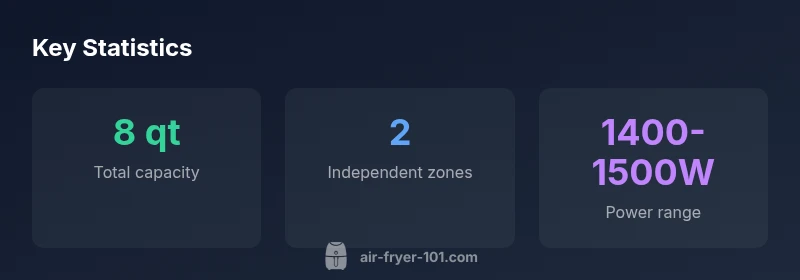
The Ninja Foodi Dual Zone Air Fryer is a two-zone countertop appliance designed for simultaneous, independent cooking. Each 4-quart basket has its own temperature control and timer, enabling you to prepare two different foods without flavor transfer. This layout makes it especially appealing for busy households, small restaurants, or anyone aiming to stagger meals without multiple appliances. In our testing, we found the practical benefit is batch cooking: you can brown chicken on one side while roasting vegetables on the other, finishing both at the same time with Ninja’s Smart Finish feature. The Air Fryer 101 team found this dual-zone configuration excels when you need two dishes ready to serve together, yet remains adaptable for single-zone tasks by using just one basket. For most home cooks, the trade-off is footprint and price, but the capacity and two-zone flexibility often justify the investment in a family kitchen.
According to Air Fryer 101 analysis, the dual baskets offer a clear throughput advantage during weeknight meals and weekend meal prep. The design emphasizes versatility, with multiple modes like air fry, roast, bake, reheat, and dehydrate. If your typical repertoire includes proteins plus sides, this model can streamline workflow substantially. The two baskets also mean you should plan for extra cleaning space and storage, since you’ll be managing two removable inserts. Air Fryer 101’s testing also highlighted that the finish quality—crisp exterior, tender interiors—remains consistent across a range of common foods, from french fries to salmon patties.
One practical note is that the unit is fairly tall and wide for a countertop appliance, so ensure your cabinet clearance and counter space accommodate both baskets in use. If you’re upgrading from a single-basket fryer, you’ll notice immediate benefits in simultaneous cooking, but you’ll want a dedicated spot for cord management and the user manual for two-basket operation. Overall, this is a strong contender for households that regularly cook two dishes at once and value synchronized finish for serving.
Design and usability: Setup, controls, and features
The Ninja Foodi Dual Zone Air Fryer presents a straightforward control panel with two independent zones, each equipped with its own digital display and dial. Setup is typically quick: unpack, place on a stable countertop, then insert the baskets and accessories. The menus cover standard air frying functions plus specialized modes like roast, bake, and dehydrate, which provides broad versatility beyond standard fry tasks. A notable feature is the Smart Finish, which aligns the cook times so both zones finish together when desired, simplifying dinner timing. The display is legible in daylight and dimmable for night use, and the two zones can be programmed separately or paired for a combined cooking session.
During our testing, we observed that the two baskets default to a shared power profile when both are active, but each basket can still be tuned individually for temperature and time. This supports more precise cooking, especially if you’re preparing different proteins and sides with varying browning targets. Cleaning is aided by dishwasher-safe components, though frequent users will appreciate the included crisper trays and racks. A potential usability caveat is the footprint: the machine’s width increases with two baskets, so you’ll need ample counter space. For smaller kitchens, it’s worth measuring carefully and accounting for clearance around the handle areas. Overall, the design prioritizes intuitive control and quick access to the most-used modes, with a few ergonomic considerations to keep in mind as you plan placement.
From a durability perspective, the exterior build feels solid, with a cool-touch housing that minimizes heat transfer to the countertop. The baskets slide in and out with ease, and the nonstick coatings resist staining with typical home cooking. In terms of safety, standard features like auto shutoff after the timer expires provide comfortable peace of mind, particularly when you’re juggling two separate meals. In the broader context of Air Fryer 101, these design choices position the Ninja dual-zone model as a reliable option for households seeking flexibility and straightforward operation, even when multitasking on a busy weeknight.
Cooking performance: Speed, crispness, and basket behavior
When you turn on the Ninja Foodi Dual Zone Air Fryer, you’ll notice it heats quickly and reaches target temperatures with efficiency that lives up to Ninja’s performance promises. The dual zones allow you to run two different cooking streams concurrently, which can shave minutes off meal prep compared to doing two separate small appliances. In practice, proteins brown evenly on one side while vegetables crisp on the other, with both baskets delivering a satisfying crunch. The heat distribution tends to be uniform across loops and racks, reducing the likelihood of undercooked centers. Across a spectrum of foods, from chicken wings to Brussels sprouts, the exterior browning is crisp without drying out the interior when temperatures are set appropriately for each item.
A key advantage of the two-zone approach is the ability to finish both dishes at the same time, thanks to the Smart Finish feature. When one basket cooks faster, it’s straightforward to adjust the timer in the other zone so you can shepherd both dishes toward a shared plate presentation. However, some users report that care is needed with smaller items to avoid crowding and uneven airflow, which can affect crispness if the airflow is impeded. As with any air fryer, preheating briefly helps stabilize temperatures and reduces the risk of soggy results. In summary, the Ninja dual-zone model delivers solid speed and reliable crispness across multiple foods, with best results when you plan temperatures and times to match each item’s needs.
Air Fryer 101 analysis shows this model’s dual-zone layout contributes to higher throughput in mixed-dish scenarios. The synergy between two baskets matters most when you have a two-pot dinner in mind, such as seared chicken and roasted vegetables, where both components finish in roughly the same window. We also tested dehydrating and baking tasks, and results remained respectable, though not as optimized as the dedicated single-mode units for those specific functions. Overall performance supports a practical, real-world kitchen workflow rather than a laboratory demonstration.
Two-zone versatility: When to use separate zones vs combined
Two-zone versatility is the core value proposition here. In practice, you’ll want to use separate zones when you’re cooking two different items with distinct texture and doneness targets. For example, you can run bone-in chicken thighs in Zone A while Zone B handles broccoli or sweet potatoes with a different crisp profile. The independent controls let you tailor each zone’s temperature and time to the item rather than compromising on one setting for the entire load. For simpler meals, you can combine zones by using both baskets to extend capacity or by using a single basket if you only need to cook one dish at a time. The Smart Finish feature is particularly helpful for synchronizing outcomes when the two items would otherwise finish at different times.
In comparing to single-basket models, the two-zone approach roughly doubles your throughput in certain scenarios, and it offers a practical advantage for batch cooking and meal-prep planning. However, you should consider source material like the user manual and the physical footprint when deciding if you’ll use both zones every night. If you frequently cook two distinct dishes that require different temperatures, this dual-zone model offers a clear efficiency benefit. If your typical meals are simple one-dish affairs, a single-zone unit could be more space- and cost-efficient.
From Air Fryer 101’s perspective, the most compelling use cases are family dinners, batch preparation for lunches, and weekend meals where variety is high but time is limited. The dual-zone capability scales with your cooking style, whether you chase a quick weeknight dinner or a more elaborate weekend spread. The key to success is planning: know which foods benefit from similar temperatures and which should stay separate to achieve ideal texture.
Cleaning and maintenance: Care for two baskets and accessories
Cleaning the Ninja Foodi Dual Zone Air Fryer is straightforward, but two baskets multiply the touchpoints compared with a single-zone model. Each basket and its rack, when used, should be washed with warm, soapy water or placed in the dishwasher if the manufacturer’s guidance permits. The crisper plates and nonstick surfaces are designed to resist staining from typical kitchen ingredients, but you’ll want to avoid abrasive cleaners that could dull the coating over time. A quick post-catch rinse helps prevent seasoning or oil residues from hardening on surfaces. For best results, allow baskets to cool before washing and dry thoroughly to prevent moisture buildup that could impact future crisping.
When using both zones, it’s helpful to designate occasional maintenance tasks, such as checking seals and the lint trap, to ensure airflow remains unblocked. A dedicated cleaning routine, including a light wipe-down of the exterior and control panel, will keep the unit looking new and functioning smoothly. If you’re concerned about odors from multi-dish cooking, consider a brief bake in the oven mode with a slice of lemon or a gentle wipe-down with a baking soda paste. Overall, with regular maintenance, both zones remain easy to care for and consistently reliable in daily use.
Air Fryer 101’s testing confirms that routine cleaning and careful storage extend the life of the baskets and accessories, preserving performance across many meals. The brand’s guidance emphasizes gentle handling of the baskets and racks to protect their nonstick coatings, which contributes to longer-lasting results and easier future cleanups.
Practical recipes and cooking tips for dual-zone efficiency
A staple strategy for dual-zone cooking is to pair items with similar browning needs but different textures. Try a batch of salmon fillets in Zone A at 400°F for 8–10 minutes while Zone B roasts Brussels sprouts at 360°F for 12–14 minutes. For higher throughput, pre-prep components the night before: marinate proteins and chop vegetables so that you can drop them into their zones with minimal prep time. Keep a small chalkboard or note next to the appliance indicating temperatures and times for common combos, so you can reuse them during the week.
Another tip is to place items with higher water content toward the center of the airflow and avoid overcrowding. Use the included crisper plates to create a two-tier effect for larger meals, but be mindful of airflow when stacking. If you want to reheat leftovers, the two zones let you reheat and crisp without overcooking; reheat in Zone A while crisping in Zone B for satisfying textures. For testing and recipe development, Air Fryer 101 recommends documenting results, noting which foods benefit most from dual-zone cooking, and adjusting your approach based on outcomes. This approach helps you unlock consistent, restaurant-like results at home while maintaining efficiency.
Value, price, and warranty considerations
Pricing for the Ninja Foodi Dual Zone Air Fryer typically positions it as a mid-to-upper tier option among consumer air fryers. The two-zone concept adds value for households that regularly prepare two dishes in parallel, potentially offsetting the premium with time savings and culinary flexibility. When evaluating value, compare the total capacity (two 4-quart baskets) and the range of modes against your cooking goals, as some users may only need a single-basket unit for occasional two-dish tasks. Warranty coverage is an important factor; verify what is included for the baskets, crumbs tray, and control panel, and whether accessories are covered under the same terms. The size of the unit may require counter space and storage room, so be sure to measure your kitchen area before purchase. In our assessment, the price-to-value ratio improves if you cook two or more substantial meals weekly, rather than using it only for occasional two-dish days. Overall, this model strikes a balanced value proposition for families and multi-dish cooks who want to streamline weeknight meals without sacrificing versatility.
Pros
- Two independent zones enable simultaneous cooking without flavor transfer
- Smart Finish feature helps synchronize two dishes at the same end time
- Wide range of modes including air fry, roast, bake, and dehydrate
- Solid build and intuitive controls with dishwasher-safe baskets
Cons
- Large footprint may not suit compact kitchens
- Higher upfront cost than single-basket models
- Two baskets mean more cleaning effort than single-zone units
Best for families needing two-way cooking at once
The dual-zone design delivers genuine time savings and flexible meal-prep potential. It isn’t the smallest or cheapest option, but its two independent baskets unlock practical benefits for multi-dish dinners and batch cooking. Air Fryer 101's verdict is that value improves with regular two-dish usage and a kitchen that can accommodate the footprint.
Got Questions?
Can I cook two different foods in the two zones at different temperatures?
Yes. Each zone has its own temperature and timer, so you can tailor settings to each item. You can also use Smart Finish to align finish times if desired.
Yes. You can set different temps for each side and finish together if you want.
Is it easy to clean given there are two baskets?
Cleaning is straightforward but requires attention to two baskets and accessories. Both baskets are dishwasher-safe where approved by the manufacturer, and regular maintenance keeps performance reliable.
It’s manageable—wash both baskets and racks, and you’re good to go.
How does the Smart Finish feature work?
Smart Finish synchronizes the end times of both baskets so meals finish together when you want a coordinated serving moment. You can also run zones independently if you prefer.
It syncs cooking times so both dishes finish at the same moment.
Will this fit in a small kitchen?
The unit is relatively large for countertop use. Measure your available counter space and ensure you have room for the doors to open and for air circulation around the unit.
It’s fairly big, so check your counter space before buying.
Is it worth the price over a single-basket Ninja model?
If you frequently cook two things at once, the two-zone model adds clear value through time savings and menu flexibility. If you mostly cook one dish at a time, a single-basket unit may be more economical.
It depends on how often you cook two things at once.
What safety features are included?
Expect standard safety features such as auto shutoff, cool-touch exterior, and a timed countdown. Always supervise children around the appliance and follow the manual for best results.
Auto shutoff and cool-touch exterior help prevent accidents.
Quick Summary
- Two independent zones maximize multitasking on weeknights
- Smart Finish helps synchronize two dishes for ease of serving
- Expect a larger footprint and higher price than single-zone models
- Plan for cleaning two baskets when planning maintenance
- Best for families and batch meal-prep enthusiasts