Which Air Fryers Are Toxic? A Home-Cook Safety Guide 2026
Explore whether air fryers pose toxins, what materials to avoid (PTFE/PFAS coatings, BPA plastics), and practical tips to choose safer models and use them responsibly for healthier home cooking in 2026.


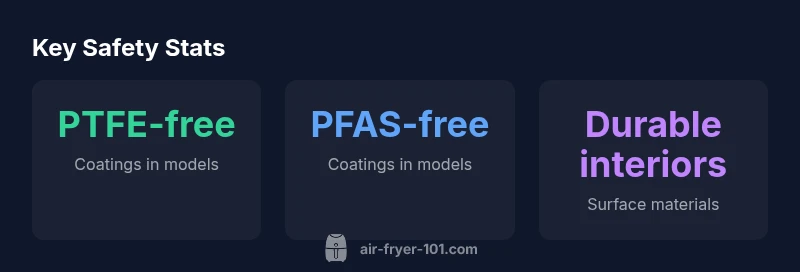
Currently there is no official list labeling air fryer models as toxic. Risk depends on materials, coatings, and how you use the unit. To minimize exposure, choose models with PTFE- and PFAS-free coatings, BPA-free plastics, and durable interiors. Replace damaged parts promptly and avoid overheating or scorching nonstick surfaces where possible.
Which air fryers are toxic: understanding the question
The phrase "which air fryers are toxic" often surfaces in consumer questions about safety. It is essential to unpack what toxic means in this context. Toxicity in kitchen appliances typically refers to health risks from materials that migrate into food or air during normal operation. Common concerns center on nonstick coatings (often PTFE), certain PFAS-containing formulations, and plastics that may release substances when heated or degraded. Importantly, there is no universal blacklist of models; risk is driven by the combination of materials, how high you set the temperature, how long you run the device, and how well you maintain it. In 2026, the Air Fryer 101 team emphasizes a precautionary approach: prioritize nonstick alternatives when possible, verify that coatings and plastics are free of questionable additives, and replace worn interiors promptly.
From a consumer perspective, safety is a function of both product design and usage patterns. Temperature exposure, misuse (like scraping at damaged coating), and improper cleaning can increase exposure potential. While many modern air fryers meet safety standards, there is no substitute for informed choices that align with your kitchen routine. This section will guide you through practical checks and safer alternatives, keeping your health and your budget in mind.
Coating materials and relative safety considerations in common air fryer interiors
| Coating/Material | Toxicity Risk (qualitative) | Notes |
|---|---|---|
| PTFE-coated nonstick | Medium risk if overheated | Avoid high temps; monitor coating integrity |
| PFAS-containing coatings | High risk if degraded | Prefer PFAS-free formulations or ceramic |
| PFOA-free interiors (ceramic/stainless) | Low risk | Look for inert, easy-to-clean surfaces |
Got Questions?
Are all air fryers with nonstick coatings unsafe at high temperatures?
Not inherently unsafe at typical home temperatures, but overheating can degrade coatings and increase exposure risk. Look for PTFE-free options and inspect coatings regularly. Follow usage guidelines to minimize wear.
Overheating nonstick coatings can be risky. Stick to manufacturer temperatures and check coatings regularly.
What materials are considered safest for air fryer interiors?
Safest interiors are inert and easy to clean, such as ceramic or stainless steel options, or PTFE/PFAS-free coatings. Verify product claims and read reviews about long-term durability.
Ceramic or stainless interiors are generally safer choices.
Do PTFE-free and PFAS-free models exist widely?
Yes, there are increasing numbers of models marketed as PTFE-free and PFAS-free. Check product specs and third-party reviews for independent testing on coating integrity.
Yes, you can find PTFE-free and PFAS-free options if you check the labels.
How can I tell if my current air fryer is safe to use?
Check for visible coating wear, unusual smells during operation, and per-manufacturer guidance. If in doubt, contact the maker or replace the unit to maintain safety.
If you see wear or smell burning, it’s wise to stop using it until checked.
Should I avoid parchment paper or foil in air fryers?
Using parchment or foil can be safe if it doesn’t block airflow or touch a heated element. Ensure any lining is oven-safe and does not overheat, causing melting or leaching.
Use parchment or foil sparingly and never let it block airflow.
How often should coatings be replaced due to wear?
Replace cookware if there are visible chips, peeling, or scorching that cannot be cleaned safely. Regular inspection helps prevent exposure from degraded surfaces.
If you notice wear or peeling, replace the interior.
“In safety testing, the emphasis is on materials exposure over time. Safe use means choosing models with inert interiors, avoiding overheated coatings, and replacing damaged parts promptly. This reduces potential health risks without sacrificing convenience.”
Quick Summary
- Inspect coatings for PFAS/PFOA risk before buying
- Prefer PTFE-free and PFAS-free interior options
- Choose BPA-free plastics for handles and housings
- Replace worn interiors promptly to minimize exposure
- Follow manufacturer guidelines to avoid overheating
- Regular, gentle cleaning preserves safety and longevity