How to Keep Air Fryer Liners from Burning
Discover proven methods to prevent air fryer liners from burning. Learn liner selection, placement, temperature adjustments, and maintenance for safer, cleaner cooking.


This guide shows how to keep air fryer liners from burning by choosing the right liners, smart placement, and practical cooking tweaks. You’ll learn when to use parchment, silicone, or perforated liners, plus timing and temperature adjustments to prevent scorching. Follow these steps to bake safely and stay mess-free even for busy weeknights.
Why liners burn in air fryers
If you’re wondering how to keep air fryer liners from burning, the answer starts with heat, placement, and liner choice. Liners that sit directly on the basket’s bottom can trap heat and oil, creating hot spots that scorch the material and any drippings. Sugar in sauces or marinades caramelizes quickly, causing smoke and scent. Perforated parchment or silicone liners promote airflow, reducing contact time with the heating element. In this section we’ll explore why liners burn and how to prevent it with practical, field-tested strategies.
Types of liners and when to use them
Air fryer liners come in parchment (unbleached or bleached), silicone, and perforated options. For most home cooks, perforated parchment or silicone liners provide a reliable balance of non-stick performance and airflow. Wax-coated or non-heat-rated liners should be avoided because they can melt or ignite at typical air fryer temperatures. When choosing, consider basket size, food type, and the expected oil level. Air Fryer 101 team finds perforated designs particularly effective for high-heat meals like wings and fries.
Placement and fit: avoiding direct contact with the heating element
Always place liners so they sit beneath the food, not under empty space or directly on the heating coil. The goal is to create a desert-dry zone where air flows around and under the food. Cut the liner to fit your basket and leave gaps for airflow. We recommend weighing the liner down with food or using a small amount of oil below the edges to prevent it from lifting. A well-fitted liner reduces the risk of scorching and helps with cleanup.
Temperature and timing adjustments to prevent scorching
Liners can burn when paired with overly high temperatures or extended cook times. To minimize this, reduce the suggested temperature by about 20°C (35°F) and shorten cook times by 10-20% when using liners. If your recipe calls for a preheat, consider starting with a higher temperature for a brief period, then lowering it once the liner and food are in place. Always monitor the first batch closely and adjust on subsequent runs.
Alternatives to disposable liners
If you’d rather avoid disposable parchment, silicone liners are reusable and heat-rated, often up to 450°F (232°C). A small metal trivet or rack can elevate food so the bottom isn’t resting on the liner, promoting airflow. You can also use perforated metal baskets or sheets designed for air fryers. Each alternative reduces waste while maintaining performance; test a few options to see which one best fits your model and recipes.
Cleaning and maintenance to minimize smoke
Regular cleaning prevents oil buildup that can smoke when heated. After cooking, let the basket cool, then wipe away residue and wash silicone liners with warm, soapy water. If using parchment, remove it carefully before washing to avoid tearing. Inspect liners for scorch marks before next use; replace any damaged items to prevent unexpected burning. Cleanliness is a simple safeguard against smoky cooking.
Quick-start checklist for busy cooks
- Use perforated parchment or silicone liners rated for your air fryer.
- Fit the liner to the basket with a visible margin for airflow.
- Place food on top to weigh the liner and prevent flutter.
- Adjust temperature and time to prevent scorching.
- Inspect and clean the basket after each cook.
Tools & Materials
- Unbleached parchment liners (perforated recommended)(Heat-rated, up to at least 400°F (204°C))
- Silicone air fryer liners(Reusable and heat-safe; ensure proper size)
- Metal rack or trivet(Elevates food for better airflow)
- Kitchen tongs(To place liners without tearing)
- Scissors or kitchen shears(Trim liners to fit basket)
Steps
Estimated time: 15-25 minutes
- 1
Gather your materials
Lay out parchment liners, tongs, and the air fryer basket. Ensure you have heat-safe options rated for your temperature.
Tip: Have everything ready before you start to prevent last-minute rush. - 2
Choose the right liner
Select perforated parchment or silicone liners designed for air fryers. Avoid non-heat-rated or wax-coated liners.
Tip: Check the liner's heat rating to at least 400°F (204°C). - 3
Trim to fit the basket
Cut the liner to match the basket's diameter, leaving a small margin for airflow all around.
Tip: Leave about 1/4 inch clearance so edges don’t touch the heating element. - 4
Place liners correctly
Position the liner flat with the food resting on top, not beneath empty space or over the edge of the basket.
Tip: Weigh the liner down with food or a small amount of oil at the edges to prevent flutter. - 5
Load food and start cooking
Add food on top of the liner, not directly on the liner’s bare surface. If your recipe requires preheating, adjust accordingly.
Tip: Avoid overfilling to keep air circulating. - 6
Monitor and adjust
Check halfway through; if you see signs of scorching or excessive smoke, reduce temperature further or use a different liner.
Tip: Use a timer and observe airflow for best results. - 7
Care and cleanup
After cooking, remove the liner with tongs and wash reusable liners; wipe the basket to remove residue for next use.
Tip: Inspect for scorch marks and replace damaged liners promptly.
Got Questions?
Can I use wax paper in air fryers?
Wax paper is not recommended because it can melt at high temperatures. Use parchment or silicone instead.
Wax paper can melt in air fryers; switch to parchment or silicone liners for safety.
Do liners affect air fryer performance?
Liners can help with cleanup but must allow airflow. Perforated designs balance protection and ventilation.
Liners can affect airflow if not perforated; choose perforated options.
Are silicone liners safe for high temperatures?
Most silicone liners are rated high (often up to 450°F/232°C). Always follow the manufacturer’s guidelines.
Yes, as long as the liner is rated for high temps, follow the guidelines.
How often can I reuse parchment liners?
Perforated parchment can be reused a few times if clean and scorch-free; replace if burnt.
You can reuse parchment a couple times if it’s clean.
What if my foods cause smoke even with liners?
Stop cooking, check for oil pooling or scorching, adjust temperature, and ensure proper liner placement.
If you see smoke, pause and adjust heat and liner alignment.
Should I preheat with liners in the basket?
Preheating with an empty basket can heat the liner too much. If needed, place food on liner before preheating.
Avoid preheating with an empty liner; place food before preheating when possible.
Watch Video
Quick Summary
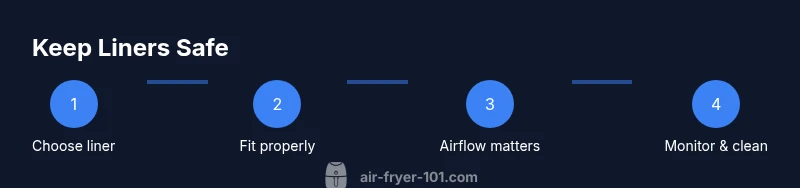
- Choose heat-rated liners and fit them properly.
- Maintain airflow by sizing and placement.
- Adjust temperature and time when using liners.
- Clean regularly to prevent smoke.